
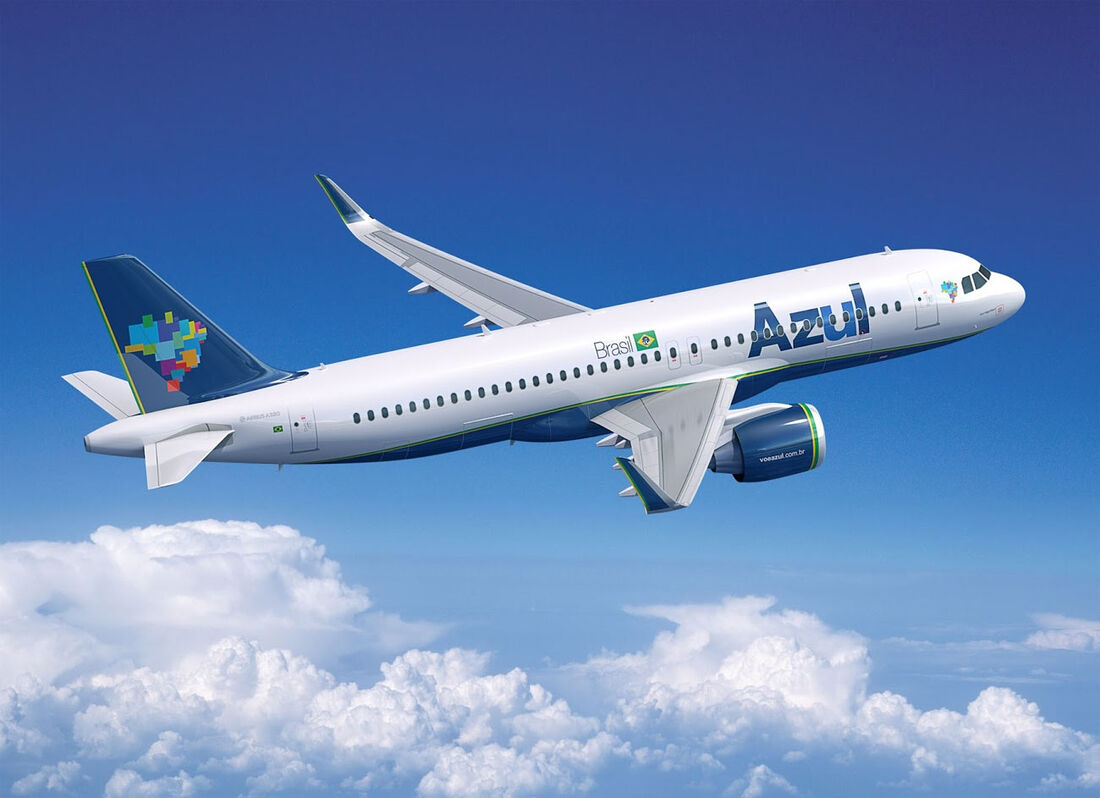
By Brazil Stock Guide — Brazilian airline Azul has secured a financing facility of up to R$2 billion ($370 million) backed by a federal government credit guarantee to cover jet fuel purchases exclusively for its scheduled domestic flights. The agreement, disclosed in a regulatory filing on Saturday (October 24), forms part of the carrier’s financial restructuring plan and is intended to ease pressure on its cash position amid volatile aviation fuel prices.
The credit guarantee will be provided through Brazil’s government-owned guarantee agency, ABGF, using resources from the Export Guarantee Fund (FGE). The arrangement does not amount to a direct R$2 billion government cash injection. Instead, the federal guarantee reduces lenders’ exposure to potential losses in the event of default, making it easier for the airline to obtain financing.
The facility draws on a mechanism approved by the Brazilian government in November 2025, when the Foreign Trade Chamber (Camex) authorized the use of the FGE to guarantee airline financing for fuel purchases. Under the rules announced at the time, carriers with more than a 1% share of the domestic market can qualify for guarantees of up to R$2 billion annually, subject to decarbonization commitments, including initiatives involving sustainable aviation fuel (SAF).
The financing comes at a challenging time for Azul. The airline emerged from Chapter 11 bankruptcy protection in the United States in February but continues to struggle to rebuild its operating margins. In an interview with Reuters last week, Chief Financial Officer Antonio Carlos Garcia warned that the recovery could take a year or more longer than initially expected if fuel prices remain elevated.
According to Garcia, Azul has managed to pass on between 60% and 65% of higher fuel costs to passengers through ticket prices. The airline also cut capacity by more than 10% in the second quarter and expects to end 2026 with approximately 5% fewer available seats than in 2025. The strategy reflects an emphasis on protecting profitability rather than pursuing aggressive expansion while operating costs remain under pressure.
In August, Azul reported that its total debt had fallen to R$21.4 billion following the restructuring. Although the company is approaching positive operating free cash flow, payments associated with its financial reorganization continue to constrain its ability to build cash reserves. Against that backdrop, the new financing facility allows Azul to fund one of its largest operating expenses while preserving liquidity for other financial obligations.
The regulatory filing did not identify the lender, disclose the interest rate or maturity, specify the timetable for drawing down the funds, or detail the terms of the federal guarantee. It also provided no information on the environmental commitments associated with the transaction.
For Azul, the facility provides an additional liquidity cushion at a time when its financial recovery remains incomplete. For the Brazilian government, it puts into practice a support mechanism designed to improve airlines’ access to private credit through public guarantees rather than direct capital injections. While the financing offers immediate breathing room, a sustained improvement in Azul’s profitability will ultimately depend on fuel prices, ticket yields and the airline’s ability to generate cash.


Leave a Reply