

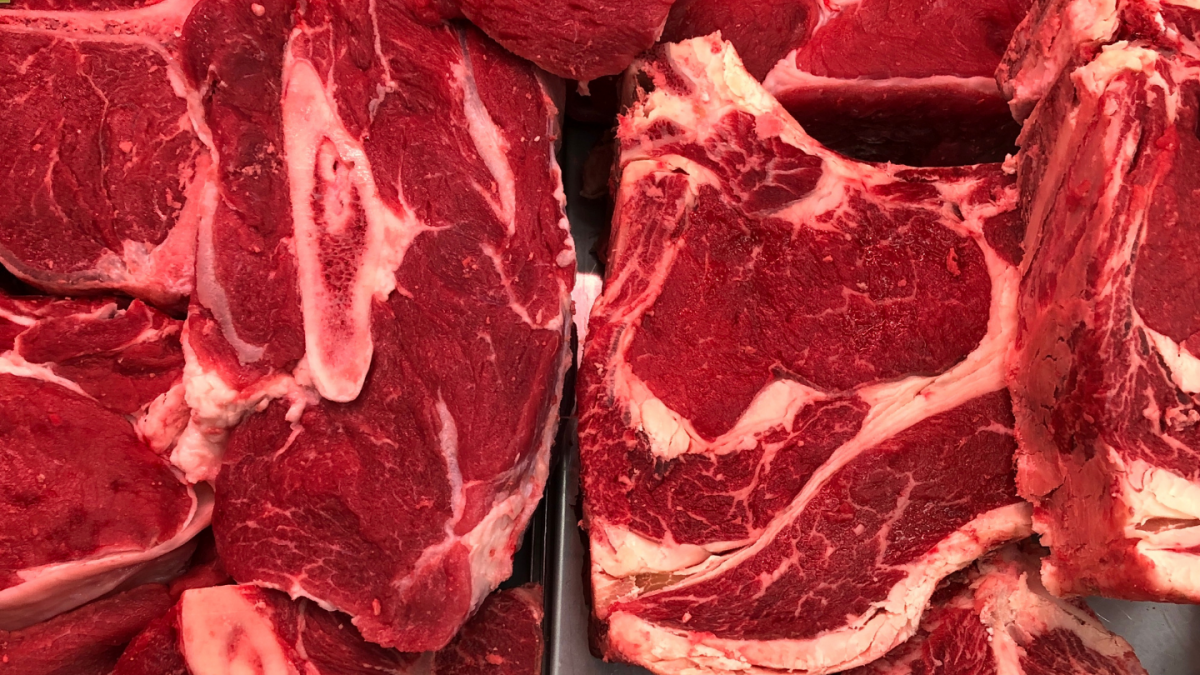
The race for China’s 2027 beef import quota is already reshaping the balance sheets of Brazilian meatpackers. JBS and Minerva have built up inventories ahead of shipments to Brazil’s largest beef export market, tying up working capital at a time of rising cattle costs and pressure on cash generation. The strategy aims to secure a share of a market capped at 1.128 million metric tons next year, just 2% above the 2026 quota.
The rush began after Brazil’s 2026 allocation of 1.106 million metric tons was exhausted in September, triggering an additional 55% tariff on shipments exceeding the quota. The restriction made Brazilian beef exports less competitive and prompted meatpackers to build inventories ahead of the next trading window.
The prospect of front-loaded shipments has raised concerns across the industry. The Brazilian Beef Exporters Association (Abiec) has warned that the 2027 quota could be exhausted as early as March or April if exporters concentrate shipments in the first few months of the year.
At JBS, the buildup of beef inventories in Brazil contributed to a R$3.8 billion working capital outflow in the third quarter, a figure that also includes grain inventories at its Seara division and poultry stocks at its European operations.
According to a credit research report published by XP Investimentos on November 22, advance purchasing and production weighed on operating cash flow, which fell 54% to R$2.8 billion. Free cash flow turned negative at R$281 million, compared with a positive R$2.3 billion a year earlier, while net debt reached R$106.2 billion.
“Part of this working capital consumption therefore reflects purchases and production brought forward,” XP said in the report. The brokerage expects JBS’s earnings to recover gradually, supported by the resumption of beef exports to China and the sale of inventories accumulated during the third quarter.
Turning those inventories into sales and cash, however, will depend on how quickly the Chinese market absorbs the volumes. XP estimates that JBS’s net debt-to-EBITDA ratio rose from 2.8 times to 4.4 times, based on its pre-IFRS 16 methodology.
At Minerva, preparations for renewed sales to China have also delayed the release of working capital. XP expects cash generation to recover as inventories are sold during the fourth quarter of 2026 and the first half of 2027.
Minerva’s leverage increased to 3.2 times in the third quarter from 2.9 times in the previous three months. A report by Genial Investimentos estimated that the company held approximately R$2.5 billion in inventories above normal operating levels, linked to commercial opportunities in China and the United States. The figure therefore cannot be attributed entirely to preparations for the Chinese market.
The strategy exposes meatpackers to a combination of commercial and financial risks. By bringing forward purchases, processing and storage, companies commit cash before converting inventories into revenue, against a backdrop of high interest rates and rising cattle costs. Meanwhile, China’s 2027 quota will remain substantially below the volumes Brazil had been exporting to the country before the restrictions took effect.
The key question is how quickly JBS and Minerva can turn those inventories into cash, reduce leverage and protect margins as competition intensifies for access to the Chinese market.


Leave a Reply