

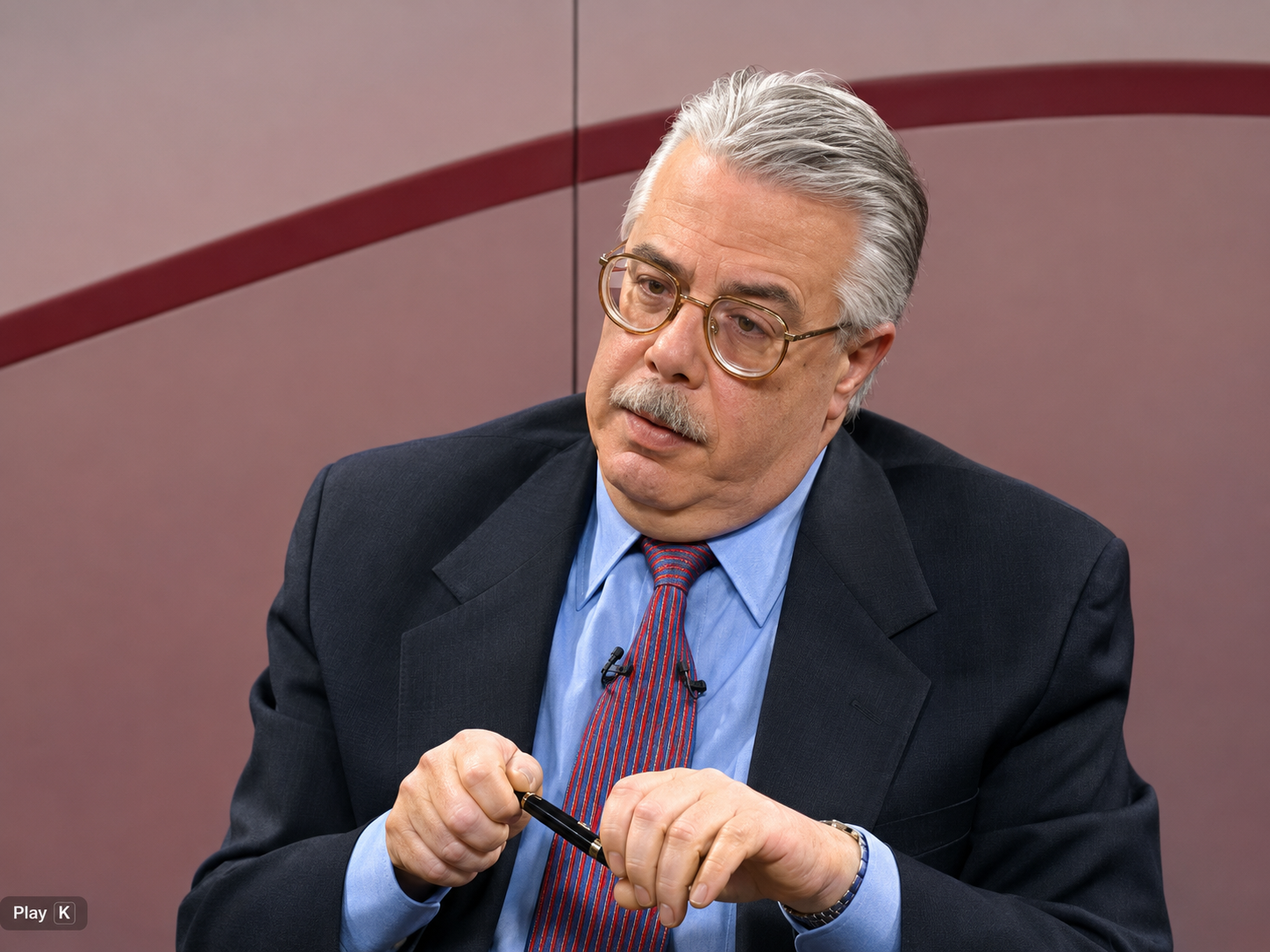
Affonso Celso Pastore’s three children and heirs failed to overturn the transfer of their father’s 95% stake in his economic consultancy to Alexandre Schwartsman, himself a former director of Brazil’s Central Bank. Pastore, a former central bank governor and one of Brazil’s most influential economists, died in February 2024 at the age of 84. The transaction, completed weeks after his death at a declared price of R$19,000, triggered a legal dispute that eventually reached Brazil’s Superior Court of Justice (STJ).
Founded in 1993, the former A. C. Pastore & Associados was subsequently renamed Pinotti & Schwartsman Associados, combining the names of Maria Cristina Rondelli Pinotti, Pastore’s widow, and economist Alexandre Schwartsman. The rebranding marked the consultancy’s transition to a new chapter without its founder, whose reputation and expertise had long been central to the firm’s identity.
Court documents reviewed by Brazil Stock Guide show that Pastore’s holding, comprising 19,000 of the company’s 20,000 ownership quotas, was initially acquired by the remaining shareholder, Paula Karine Ribas Magalhães, an economist and former assistant to Pastore, in early April 2024. The stake was subsequently transferred to Schwartsman. The transaction was challenged by Pastore’s three children from his first marriage.
The heirs argued that the ownership interests belonged to their father’s estate and should have been included in the distribution of his assets. During the probate proceedings, Alexandre Holtmann Pastore, the estate administrator, said he was unaware of any legally valid transfer of the quotas, had not signed documents authorizing the transaction, and questioned the absence of judicial approval.
Judge Vivian Wipfli, of São Paulo’s 8th Family and Succession Court, initially ruled in favor of the heirs, declaring the transaction void and ordering a halt to any monthly payments provided for under the agreement.
That ruling was overturned in August 2025 by the First Chamber of Private Law of the São Paulo Court of Justice (TJSP). The appellate panel, led by Justice Alexandre Marcondes, found that the transfer appeared, at least on a preliminary assessment, to comply with the consultancy’s articles of association, which Pastore himself had signed in April 2020.
The agreement stipulated that the company would not be dissolved upon a shareholder’s death. Instead, the surviving shareholders had 30 days to decide whether to admit the deceased shareholder’s heirs into the business. If they declined, the quotas could be acquired by the company itself or by the remaining shareholders, subject to the terms and deadlines established in the agreement.
The provision was intended to ensure business continuity without requiring the company to await the completion of probate proceedings.
The price of the ownership stake
The declared transaction price was R$19,000, equivalent to the nominal value of Pastore’s ownership quotas in the company’s registered capital. In September 2024, Schwartsman deposited R$19,901.73 with the court as part of the probate proceedings.
The 2020 articles of association, however, established that the minimum price for a deceased shareholder’s stake should take into account the company’s book equity, calculated using a balance sheet specifically prepared for that purpose. The agreement also provided for payment in three consecutive monthly installments.
Heirs appeal to Brazil’s Superior Court
In reviewing the dispute, the São Paulo appeals court found that the succession clause was consistent with Brazil’s Civil Code and that the transaction had taken place before probate proceedings began, meaning prior judicial authorization was not required.
Pastore’s heirs also cited the existence of a will containing provisions for the distribution of their father’s ownership interests in the consultancy. The court, however, concluded that the transaction, supported by the company’s articles of association, did not violate the applicable inheritance rules.
The appellate ruling preserved the heirs’ economic rights to the proceeds from the transfer, while determining that any challenge to the transaction’s terms, including its price, would have to be pursued in separate legal proceedings.
The three heirs subsequently appealed to the Superior Court of Justice, Brazil’s highest court for non-constitutional federal law matters, but were unable to reverse the outcome.
In July 2026, STJ President Justice Herman Benjamin declined to hear their procedural appeal because they had failed to specifically challenge one of the grounds on which their earlier appeal had been blocked. That ground involved STJ Precedent No. 7, which generally prevents the court from reexamining factual evidence.
The ruling became final on August 27, 2026, bringing the heirs’ appeal to a close without a substantive review by the STJ and leaving intact the São Paulo appeals court’s decision in Schwartsman’s favor.
What the parties say
Lawyers representing Pastore’s heirs told Brazil Stock Guide they could not comment on the case because of professional confidentiality obligations.
Schwartsman’s legal representatives were also contacted but did not provide an official statement for publication. Pinotti’s lawyer likewise declined to discuss the proceedings.
The legal challenge to the transfer of Pastore’s former consultancy was thus resolved in Schwartsman’s favor, with the São Paulo appeals court upholding the transaction through which he became the former central bank governor’s corporate successor.


Leave a Reply