


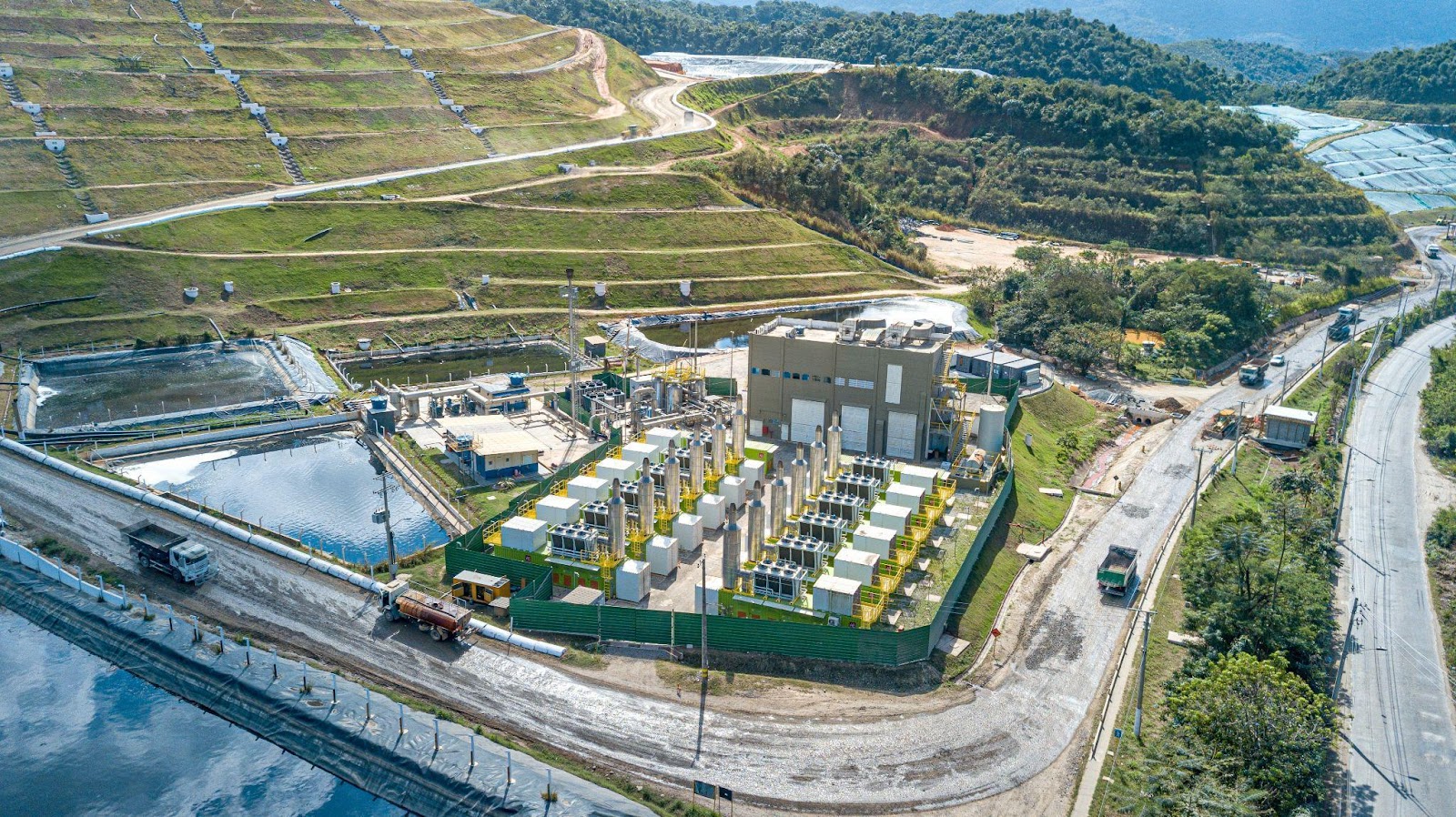
The restart of Fafen-BA by Petrobras (PETR3, PETR4; PBR) reframes an old question in more useful terms: what is the value of producing fertilizer in Brazil? The answer is not in the slogan of self-sufficiency. It is in the gas bill. The Camaçari unit returned to operation because the company says it lowered the opportunity cost of the input that powers the plant. Without competitive gas, domestic urea becomes an expensive industrial policy project. With cheaper gas, it can become a strategic hedge.
The distinction matters. Petrobras is not about to solve Brazil’s entire fertilizer dependence. The country still imports roughly 85% to 90% of the fertilizers it consumes, a structural vulnerability for one of the world’s largest agricultural exporters. Petrobras’ target is more specific: nitrogen fertilizers, especially urea. Fafen-BA can produce 1,300 tons of urea per day, enough to meet about 5% of national demand for nitrogen fertilizers. Together with units in Sergipe, Paraná and Mato Grosso do Sul, Petrobras says it could eventually supply 35% of Brazil’s demand for nitrogen fertilizers.
The best estimate, since the gas contract is not public, starts with the volume tied to the Bahia unit: about 1.2 million cubic meters of natural gas per day. That is equivalent to roughly 42,000 MMBtu a day. At a range of $6 to $7 per MMBtu, the annual gas bill would be between $93 million and $108 million, or about R$465 million to R$540 million. After recent gas price adjustments, that range could move closer to R$550 million to R$650 million a year. That is not small. But it is not the country’s full bill either.
Brazil earns far more from agricultural exports than it would spend to maintain a domestic slice of nitrogen fertilizer production. That is the serious argument behind the politics. Wars, sanctions, logistical bottlenecks and shocks in Ukraine or the Middle East can quickly turn import dependence into inflation for farmers. Local production does not eliminate that risk. But it can reduce the price of panic.
The danger is to confuse insurance with a permanent subsidy. If Brazilian gas becomes expensive while imported urea remains cheap, the economic case weakens. But in global shocks, expensive gas also raises the cost of urea produced abroad. Gas at $16 per MMBtu is not good for Fafen-BA. But it is not good for its competitors either. That is precisely when some domestic capacity can work as partial protection.
If gas remains competitive, Petrobras can capture value on two fronts: monetizing its gas and protecting a supply chain that underpins a meaningful share of Brazil’s exports. Brazil does not need to produce all the fertilizer it consumes. It needs to produce enough to make global panic less expensive.


Leave a Reply