

By Brazil Stock Guide – Petrobras’ nitrogen fertilizer plants in Brazil’s Northeast have resumed operations, increasing domestic production of urea, ammonia and automotive-grade ARLA 32 as the country seeks to curb reliance on imports. The restart involves facilities in Sergipe and Bahia operated by Petróleo Brasileiro SA (PETR4 BZ, PBR US).
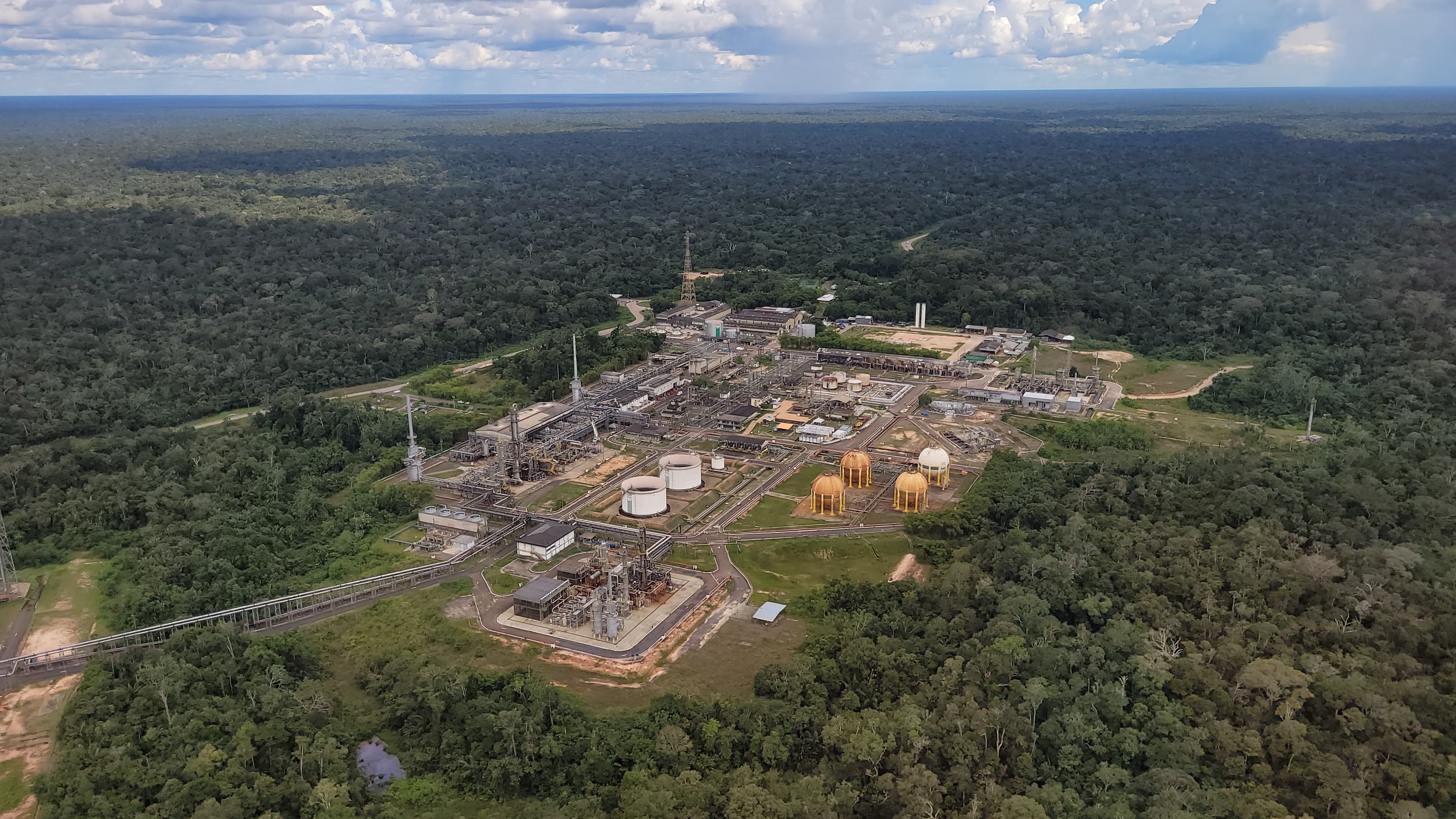
The Sergipe unit, located in Laranjeiras, began producing ammonia on Tuesday (31) and started urea output on Friday (3). The Bahia plant in Camaçari completed maintenance last month and is undergoing start-up commissioning, with urea production expected to begin by the end of January. Together, the two plants have received initial investments of 38 million reais each and are already generating 1,350 direct jobs and about 4,050 indirect positions.
The Sergipe facility has capacity to produce 1,800 metric tons of urea per day, equivalent to roughly 7% of Brazil’s market. In Bahia, daily capacity reaches 1,300 tons, or about 5% of national demand. Operations at the Bahia complex also include ammonia and urea maritime terminals at the Port of Aratu in Candeias.
According to William França, Petrobras’ director of Industrial Processes and Products, the two Northeastern plants, together with Araucária Nitrogenados SA (ANSA) in Paraná, will account for around 20% of Brazil’s total urea demand. “As duas FAFENs, juntamente com a Araucária Nitrogenados S.A (ANSA), outra fábrica nacional de fertilizantes da Petrobras, instalada no Paraná, responderão por 20% de toda a demanda de ureia do Brasil. A nossa expectativa é elevar a produção nacional para 35% nos próximos anos, com uma nova planta em construção no Mato Grosso do Sul,” he said.
The output from the plants is aimed at restoring Brazil’s domestic supply of strategic inputs for agribusiness, including fertilizer-grade urea and urea for animal feed, while also serving industries such as textiles, paints, pulp and paper. The production of ARLA 32 supports efforts to cut vehicle emissions, a requirement for diesel engines under Brazilian environmental standards.
França said the restart marks a strategic shift for the company and the country. “Atualmente, toda a ureia consumida no Brasil é importada. Com a retomada da produção nacional, a Petrobras amplia a oferta do insumo no mercado interno, reduz a dependência externa e fortalece a cadeia produtiva do agronegócio,” he said, noting that the process relies on natural gas as its main feedstock, creating additional value for Brazil’s energy, industrial and agricultural sectors.



Leave a Reply