
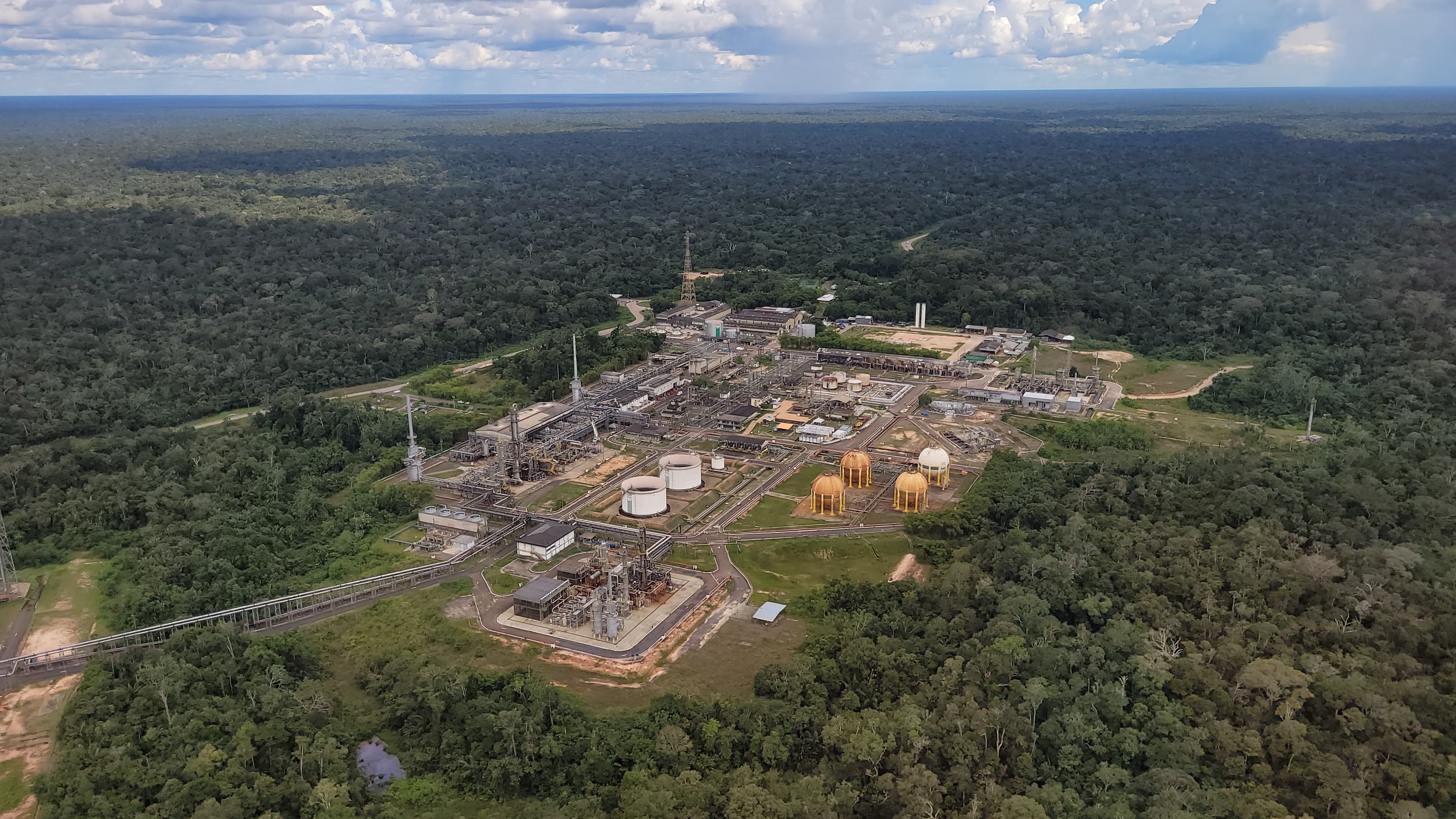
By Brazil Stock Guide – Petrobras S.A. (PETR3; PETR4) and Transpetro are set to announce more than R$2.8 billion in investments in the state of Amazonas through 2030, in a move that puts the Urucu oil and gas province back at the center of Brazil’s northern energy strategy. The announcement is scheduled for Wednesday, May 27, with President Luiz Inácio Lula da Silva, Petrobras Chief Executive Magda Chambriard and Transpetro President Sérgio Bacci expected to attend.
The core of the package is a renewed investment cycle in Urucu, where Petrobras plans to allocate about R$2.5 billion to drill new wells. The ceremony will take place at the Bertolini shipyard in Manaus, which is responsible for building 18 barges ordered by Transpetro to improve maritime fuel logistics at Brazilian ports.
Amazon Gas Hub
Urucu, located in Coari, about 650 kilometers from Manaus, is not a new frontier. It is a mature onshore operation that has been producing oil and gas since 1988. But it remains one of Petrobras’ most important assets in the Amazon and a critical piece of the region’s energy security.
The field is more about gas than oil. Petrobras has described Urucu as Brazil’s third-largest natural gas producer, with average output of about 5.1 million cubic meters per day. That gas helps supply roughly 65% of electricity generation in Manaus and five other municipalities in Amazonas. The complex also produces an average of about 80,000 LPG cylinders per day, supplying all northern states and part of Brazil’s Northeast.
Gas, Not Pre-Salt
The investment case is not that Urucu will become another pre-salt. It will not. The point is more practical: extending the life of mature fields, offsetting natural decline and keeping gas flowing in a region where infrastructure is difficult and energy logistics are expensive.
Petrobras plans to drill new development wells in Urucu under its 2026–2030 business plan, while also expanding small-scale LNG commercialization in Amazonas. The company sees the initiative as a way to increase gas supply, reduce reliance on more polluting fuels and support regional energy users outside the traditional pipeline network.
Amazon Risk
The problem is that Urucu sits inside the Amazon, and that gives any oil and gas expansion a higher reputational and environmental burden. Petrobras often presents Urucu as a controlled onshore operation, with preserved concession areas, reforestation programs and decades of technical experience in the forest. But the basic risk remains: drilling, pipelines, river transport and fuel logistics in one of the world’s most sensitive biomes.
That risk is different from the offshore debate around Foz do Amazonas, but it is not irrelevant. In Urucu, the risk is less about a giant offshore spill and more about operational discipline inside the rainforest — leaks, river transport accidents, waste management, emissions and the growing vulnerability of Amazon logistics to extreme drought.
River Logistics
The 18 barges ordered from Bertolini are part of this broader equation. Transpetro’s fleet renewal program is designed to strengthen fuel logistics, reduce dependence on chartered vessels and increase flexibility in the movement of LPG and other products across Brazil’s port and river system.
That matters because the North’s energy system is deeply exposed to rivers. When water levels fall, logistics become more expensive and more fragile. During severe droughts, moving fuel, LPG and crude through the Amazon basin becomes not just a cost issue but an energy-security issue.
Political Capital
Lula’s presence gives the announcement an obvious political dimension. Petrobras is linking the package to domestic shipbuilding, regional development and energy security in the North — themes that fit neatly with the government’s industrial policy agenda.
For Petrobras, however, the message is more technical. Urucu will not change the company’s scale, which remains dominated by the pre-salt. But it can help preserve gas supply, sustain LPG production and reduce logistical stress in a region where energy infrastructure is hard to build and harder to operate. The challenge is to make that argument without turning the Amazon into a larger reputational liability than an energy asset.



Leave a Reply