
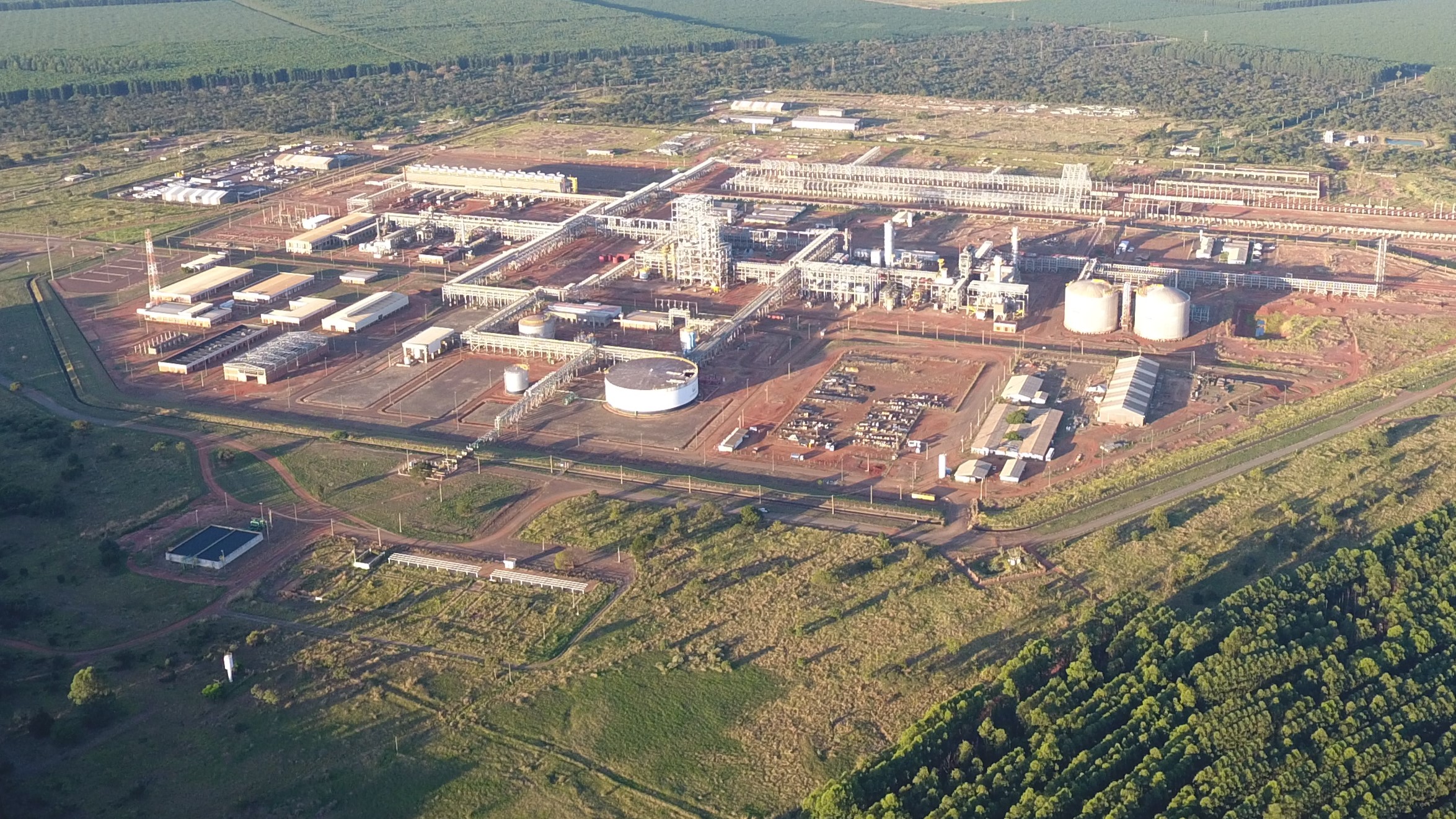
By Brazil Stock Guide – Petrobras (PETR3, PETR4) has approved the resumption of construction at its Nitrogen Fertilizer Unit III (UFN-III) in Três Lagoas, Mato Grosso do Sul, marking the revival of a project halted since 2015 and reinforcing a broader strategic shift back into fertilizers. The company’s board decision unlocks an estimated $1 billion investment, with commercial operations expected to begin in 2029 — a long-term bet tied to Brazil’s agribusiness expansion and supply security.
The project had been under review since 2023, when Petrobras repositioned fertilizers as a strategic segment. Final approval suggests the company has aligned economic returns with capital discipline — a key concern following years of deleveraging and a tighter focus on higher-return upstream assets. Petrobras said the project delivers a positive net present value (NPV) across all internal scenarios, meeting governance and investment approval standards.
Capacity and market positioning
UFN-III is designed to produce around 3,600 tons per day of urea and 2,200 tons per day of ammonia, with surplus ammonia available for sale. The scale is significant in a market where Brazil remains heavily reliant on imports, particularly for nitrogen-based fertilizers. Domestic urea consumption stands at roughly 8 million tons per year, driven largely by crops such as corn, sugarcane and coffee.
The plant’s location in Três Lagoas — close to key agricultural regions in the Midwest, South and Southeast — underpins its economic rationale. By reducing logistics costs and improving supply reliability, Petrobras aims to capture structural demand from agribusiness, one of Brazil’s most resilient growth engines.
Execution and strategic shift
Construction is expected to resume in the first half of 2026, with the project projected to generate around 8,000 jobs during the build phase. Beyond its industrial scope, UFN-III also carries political and economic weight, reinforcing Petrobras’ role as a driver of domestic development in strategic sectors.
The move represents a notable shift. After years of divestments and a sharp focus on oil and gas exploration and production, Petrobras is once again expanding into adjacent segments — albeit under the banner of capital discipline. For investors, the key question is whether this diversification can sustain competitive returns or reopen concerns about capital allocation.
What’s at stake
The UFN-III restart comes amid heightened global concerns over food security and supply chains. For Brazil, reducing dependence on imported fertilizers has long been a policy objective, but one that requires scale and cost competitiveness to achieve. Petrobras is positioning itself as part of that solution. Execution, however, will be critical: projects of this size carry risks around cost overruns, delays and return dilution. In a cycle marked by a stronger strategic role for the company, discipline may matter as much as ambition.





Leave a Reply