
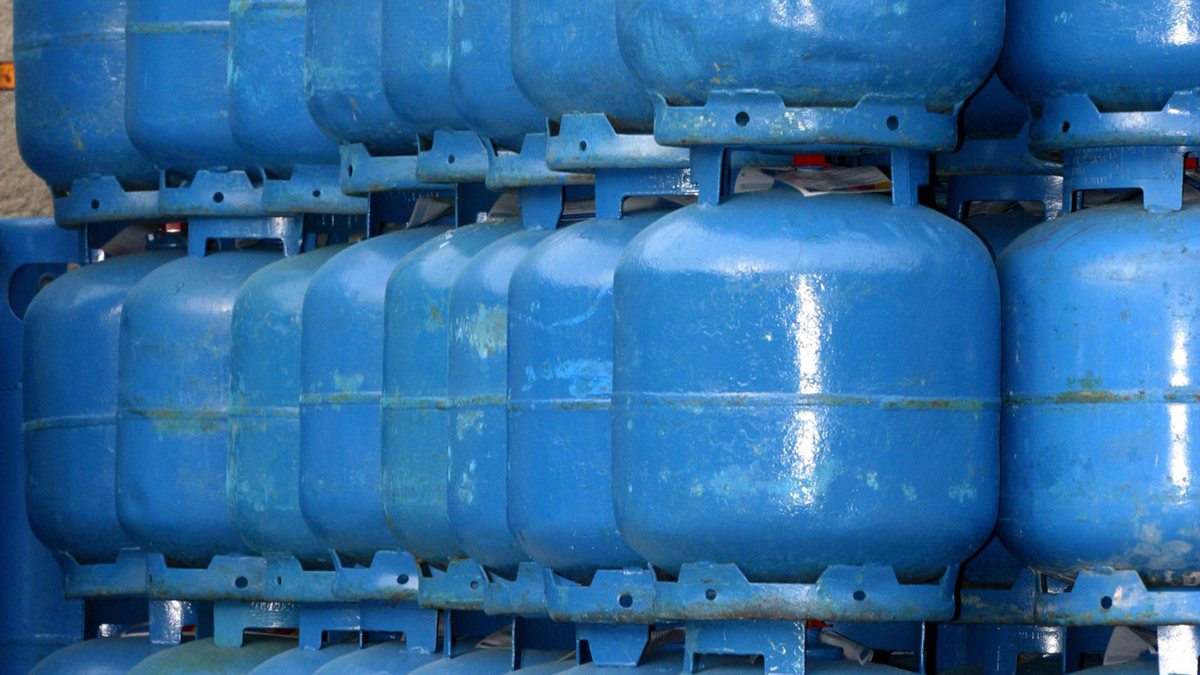
By Brazil Stock Guide — By Brazil Stock Guide — Brazil’s National Agency of Petroleum, Natural Gas and Biofuels, known as ANP, has pulled from its agenda a planned reform of the liquefied petroleum gas market, delaying one of the most sensitive regulatory debates in the country’s fuel industry.
The review of rules governing the distribution and resale of LPG — the bottled cooking gas used by millions of Brazilian households — was ready to be considered by the agency’s board. Instead, it was put on hold amid pressure from the federal government and a decision by the regulator to focus its limited resources on fuel subsidies, supply monitoring and enforcement against abusive pricing.
Daniel Maia, the ANP director overseeing the case, said the matter was “duly prepared,” had gone through the agency’s internal procedures and was “ready for consideration by the board.” Even so, he said he would not vote on the substance of the proposal because the agency had already decided to suspend that regulatory track.
The decision affects a reform that ANP’s technical staff had defended as a way to increase competition in a highly concentrated market. Among the most sensitive points were changes related to the filling of cylinders outside distributors’ own facilities, the possible flexibilization of cylinder use, and the end of embossed brand markings — a system currently used by distributors to identify their own cylinders.
Large distributors have resisted the changes. The industry argues that such measures could disrupt investment, increase operational risks, create room for fraud and make enforcement harder at a time when the government is trying to expand Gás do Povo, a social program that subsidizes LPG purchases for low-income families.
At the meeting, Maia acknowledged the political weight of the issue. He said the reform would move forward in a context of war, fuel subsidies and “scarce resources” at the agency. He added that there was an “undeniable context” linked to an “effective threat to the Gás do Povo program” during an election period, with the risk of shifting a technical debate into a political dispute.
Director Pietro Mendes also supported the temporary interruption of the process. He said LPG involves “a very significant regulatory framework,” one that has been stable for many years and includes controversial topics. Moving ahead now, he said, would require a major technical effort from the same teams already under pressure from the broader fuel crisis.
Director Fernando Moura reinforced the need for flexibility in the agency’s regulatory agenda. He said he sees ANP’s agenda as “a trail, not a rail” — in other words, a planning tool that can change direction when new facts emerge.
The broader backdrop is ANP’s effort to respond to the crisis triggered by the war in Iran and its effects on oil, diesel, gasoline and LPG markets. The agency’s board approved a package to prioritize staff and resources for distribution and logistics, competition oversight and fuel-supply enforcement.
ANP Director-General Arthur Watt framed the decision as a matter of scarce resources. The agency, he said, has too many urgent fronts and not enough technical bandwidth to move on all of them at once. For now, ANP is being forced to direct its teams toward its most urgent priorities: subsidies, supply and prices.
In practice, the LPG reform has not been canceled. But it has moved out of the center of ANP’s agenda amid pressure from distributors and government concern over the rollout of Gás do Povo.
For the government, the decision reduces the risk of a regulatory fight over cooking gas while it tries to get the social program fully up and running. For distributors, it postpones a reform that could change the economics of Brazil’s LPG cylinder market. For ANP, it preserves technical and political bandwidth at a moment of unusual strain.
Leave a Reply