
By Brazil Stock Guide – Petrobras (PETR4; PETR3) is set to announce more than R$72.5 billion in investments in Sergipe on Friday, placing one of Brazil’s smallest northeastern states at the center of a new oil, gas and fertilizer push. The announcement will be made during a visit by President Luiz Inácio Lula da Silva, alongside Petrobras Chief Executive Officer Magda Chambriard and other officials.
The core of the package is Sergipe Deepwater, known as SEAP, a project that will receive more than R$60 billion and open a new offshore production frontier in Brazil’s Northeast. Petrobras expects the investment to help almost double the region’s share of national natural gas supply, from 16% today to 31% by 2035.
New Gas Frontier
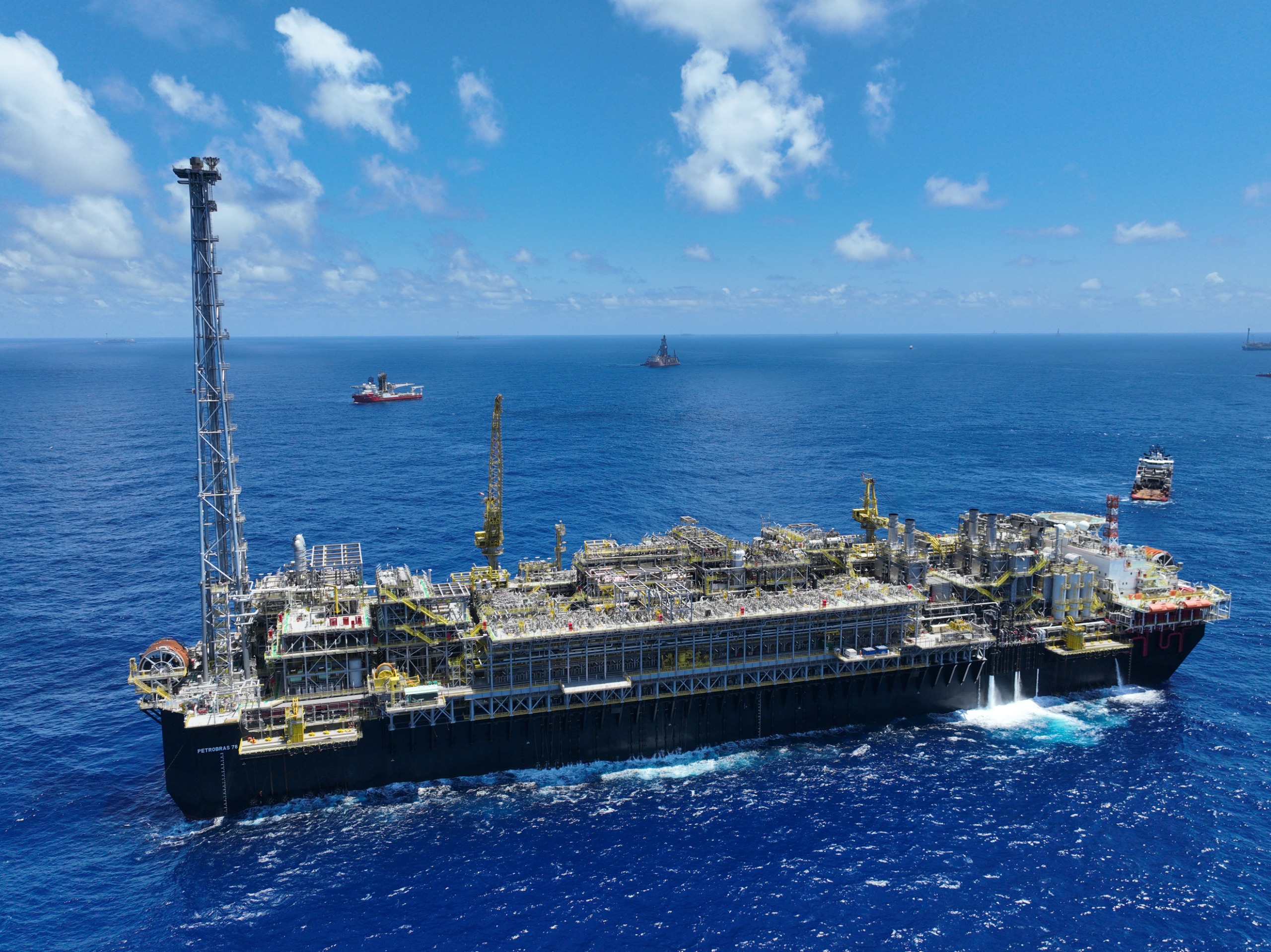
SEAP will include two platforms, Sergipe Deepwater 1 and 2, as well as a pipeline to move natural gas from the offshore units to shore. Each platform will have capacity to produce about 100,000 barrels of oil per day. Together, they are expected to produce 22 million cubic meters of natural gas per day, of which 18 million cubic meters will be delivered to the coast.
The project’s main innovation is built into the platforms themselves. According to Chambriard, each unit will have an onboard natural gas processing plant, a design intended to make a project of this scale viable offshore. “It is an innovation that makes a major project like this possible, with inestimable value for oil and gas production in the Northeast and for Brazil as a whole,” she said.
Gas at Sea
SBM Offshore will be responsible for building the two platforms. Petrobras said negotiations have been concluded and contracts are close to being signed. Oil production is expected to begin in 2030, with gas deliveries to shore starting in 2031. SBM will operate the platforms for six and a half years before the units are transferred to Petrobras ownership.
The economic impact goes beyond offshore production. Petrobras estimates the projects will generate 28,000 direct and indirect jobs in Sergipe, across construction, operations, logistics, engineering, suppliers and industrial services linked to the new energy hub. For a smaller state, the package creates a large infrastructure anchor with potential to attract future industrial activity.
Fertilizer Strategy
The agenda also includes the reopening of the Sergipe nitrogen fertilizer plant, known as Fafen-SE, in the municipality of Laranjeiras. The unit is expected to supply about 7% of Brazil’s demand for nitrogen fertilizers. Together with other plants in Mato Grosso do Sul, Paraná and Bahia, domestic production could reach 35% of the country’s needs in this segment.
The reopening carries both political and strategic weight. Brazil is one of the world’s largest agricultural producers, but remains heavily dependent on imported fertilizers. By linking natural gas, nitrogen fertilizer production and supply security, Petrobras reinforces one of the Lula administration’s central industrial-policy goals: reducing external vulnerabilities in a chain that is critical to Brazilian agribusiness.
Old Assets
The third part of the package is the decommissioning of 26 shallow-water platforms. These units are located in offshore areas that have been producing for more than 50 years and are now reaching the end of their useful life. Chambriard said the process of disconnecting the platforms is also part of Petrobras’ environmental commitments.
The Sergipe announcement therefore combines three movements in a single narrative: deepwater expansion, the return of fertilizer production and the orderly retirement of aging offshore assets. For the government, it is a regional development showcase. For Petrobras, it is a long-term execution test — turning R$72.5 billion into production, delivered gas, real jobs and a new energy frontier beyond Brazil’s traditional pre-salt heartland.


Leave a Reply