
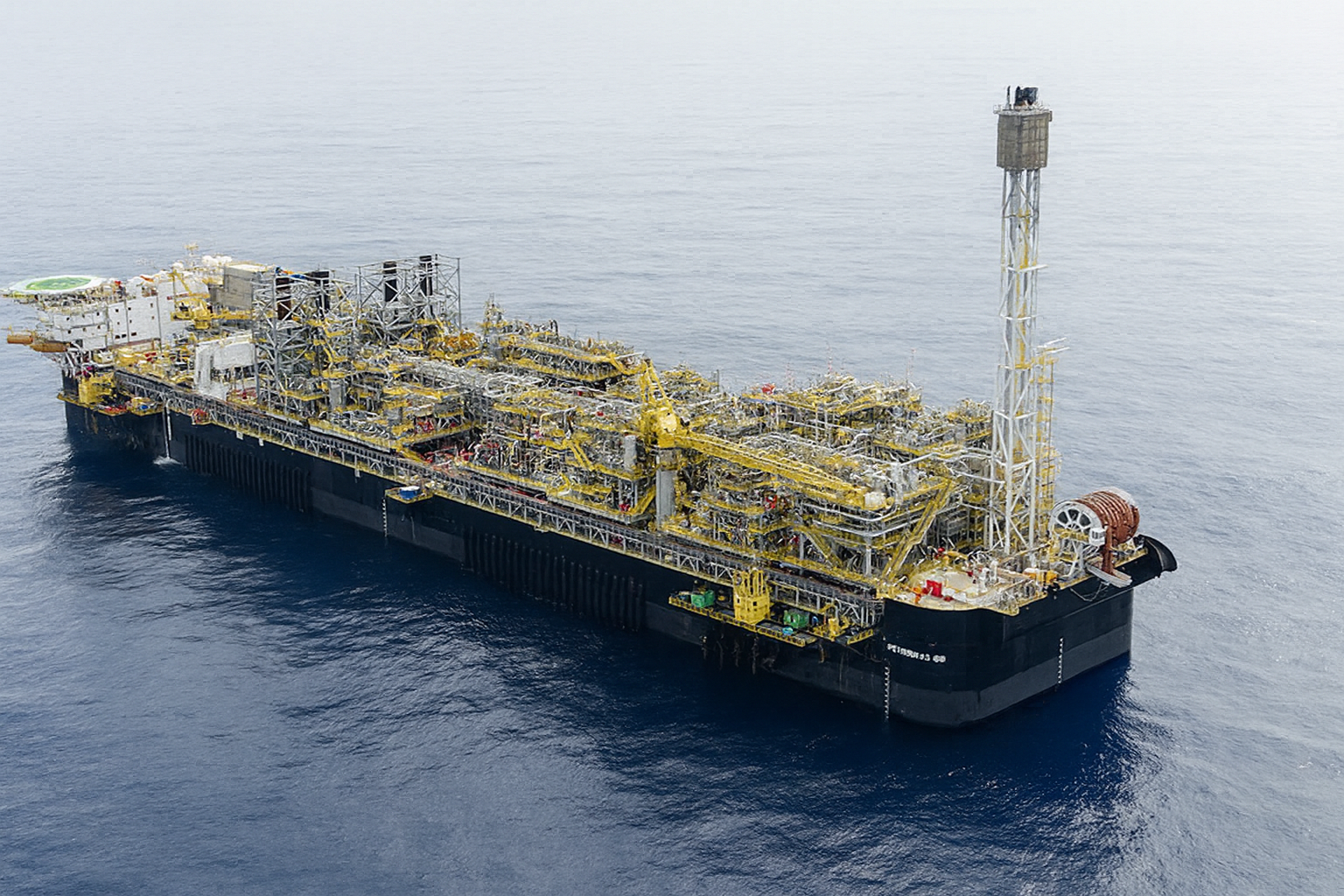
By Brazil Stock Guide – Petrobras (B3: PETR4/NYSE: PBR) is absorbing mounting losses from environmental red tape that has stalled drilling at its FZA-M-59 block off Brazil’s northern coast. The Unified Federation of Oil Workers (FUP) said the state-controlled producer has already spent over R$ 1 billion (US$ 175 million) tied to the licensing process in the country’s Equatorial Margin.
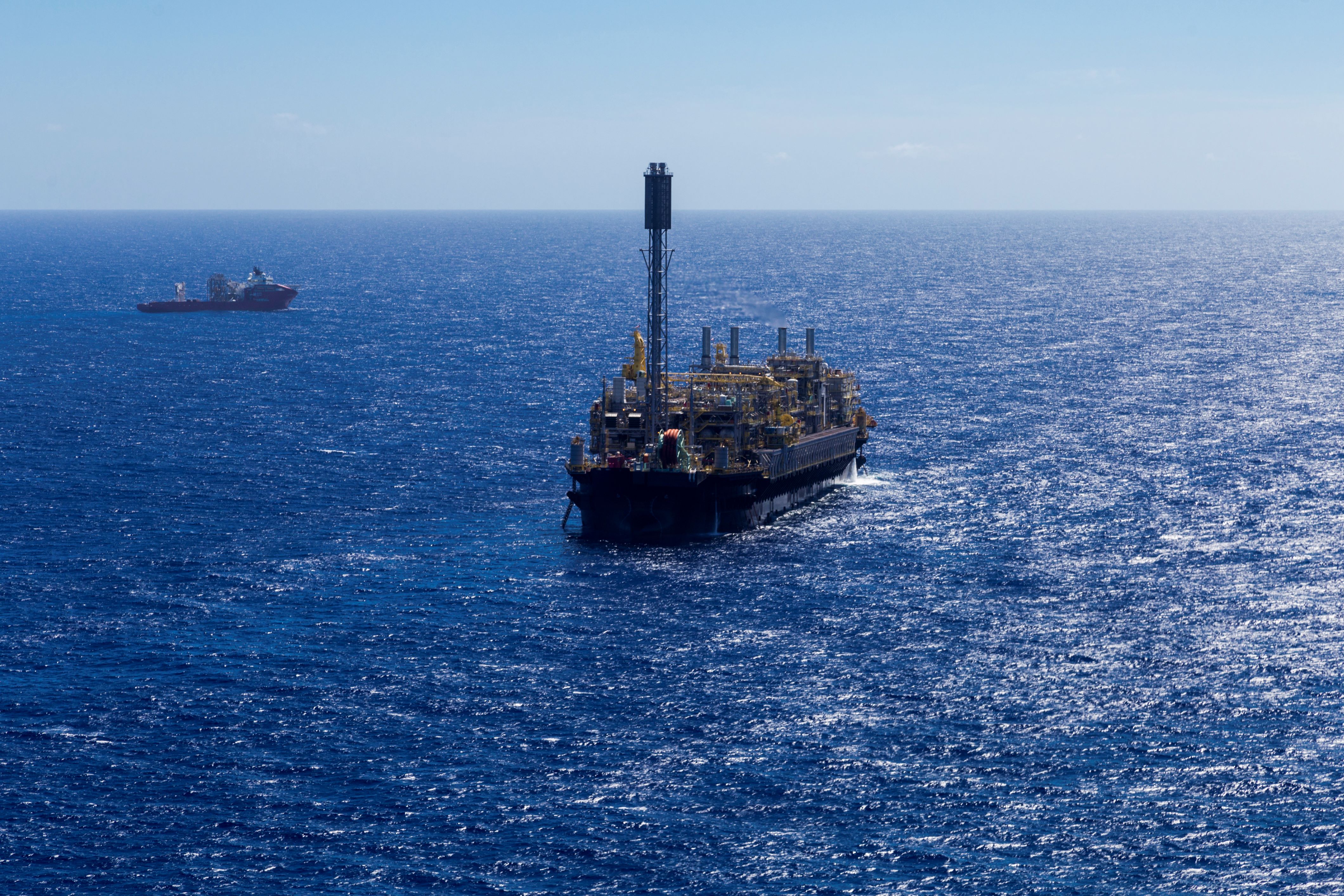
The lease for the offshore rig expires on October 21, yet the unit remains idle near Amapá, awaiting authorization for a safety simulation required before drilling can begin. Each day of delay adds roughly R$ 4 million (US$ 700 000) in costs, the union warned, calling the holdup a threat to Petrobras’s exploration calendar. Since assuming the block in 2022, Petrobras has spent R$ 543 million on rig leasing, R$ 327 million on support vessels and R$ 142 million on air services — all linked to licensing requirements.
“Need for faster decisions”
“These figures demonstrate Petrobras’s commitment to environmental safety but also the urgent need for quicker, technically sound decisions by regulators,” said FUP coordinator Deyvid Bacelar. He added that the company is being penalized for its compliance while bureaucracy drags on.
FUP warns the regulatory impasse is pushing Petrobras to focus new drilling campaigns outside Brazil. Large domestic projects remain frozen, while others — such as Sergipe Águas Profundas (SEAP) and the Albacora, Barracuda and Marlim Leste fields in the Campos Basin — have been postponed beyond 2030. Nearly all exploration plans for 2028–2029 are now directed overseas.
“Petrobras risks losing leadership at home and becoming too dependent on foreign assets,” Bacelar said. “That weakens its ability to create wealth, jobs and energy security in Brazil.”
Energy sovereignty at stake
Analysts see broader implications for Brazil’s energy policy. A prolonged standstill could cede market share to foreign producers and limit funds for research and innovation. “The Campos, Espírito Santo and Santos basins are not eternal,” Bacelar warned, noting that Brazil still pumps the world’s lowest-carbon oil among major producers.



Leave a Reply