
By Brazil Stock Guide – Petrobras (PETR4) set a monthly production record for ultra-low sulfur diesel at its Refap refinery while beginning commercial deliveries of Brazil’s first fully domestic sustainable aviation fuel, underscoring the state-controlled producer’s push into cleaner fuels.
The company said in statements released Dec. 5 that the Refap unit in Rio Grande do Sul produced 274.8 million liters of diesel S-10 in November, surpassing the previous record set in August 2023. The volume would be enough to supply roughly 920,000 city buses with full tanks, reflecting rising demand for low-sulfur fuels and improved operational efficiency.
Refap’s general manager, Marcus Aurelius Valenti, said the result highlights Petrobras’ efforts to expand supply while upgrading refinery performance. “Petrobras has been working to increase production of diesel S-10 with new projects and greater asset efficiency,” he said. The refinery processes 35 million liters of crude per day and also produces gasoline, jet fuel, LPG and petrochemical feedstocks.
The production milestone comes as Petrobras invests US$15.8 billion in refining, logistics and petrochemicals through 2030. The company expects diesel to rise from 40% to 45% of its output as the refineries shift toward higher-value, lower-sulfur products. Projects such as Rnest’s second train and the Boaventura upgrade are set to add 307,000 barrels per day of S-10 diesel capacity by the end of the decade. “We are modernizing our refining park to meet growing demand for high-quality fuels,” said William França, head of industrial processes and products.
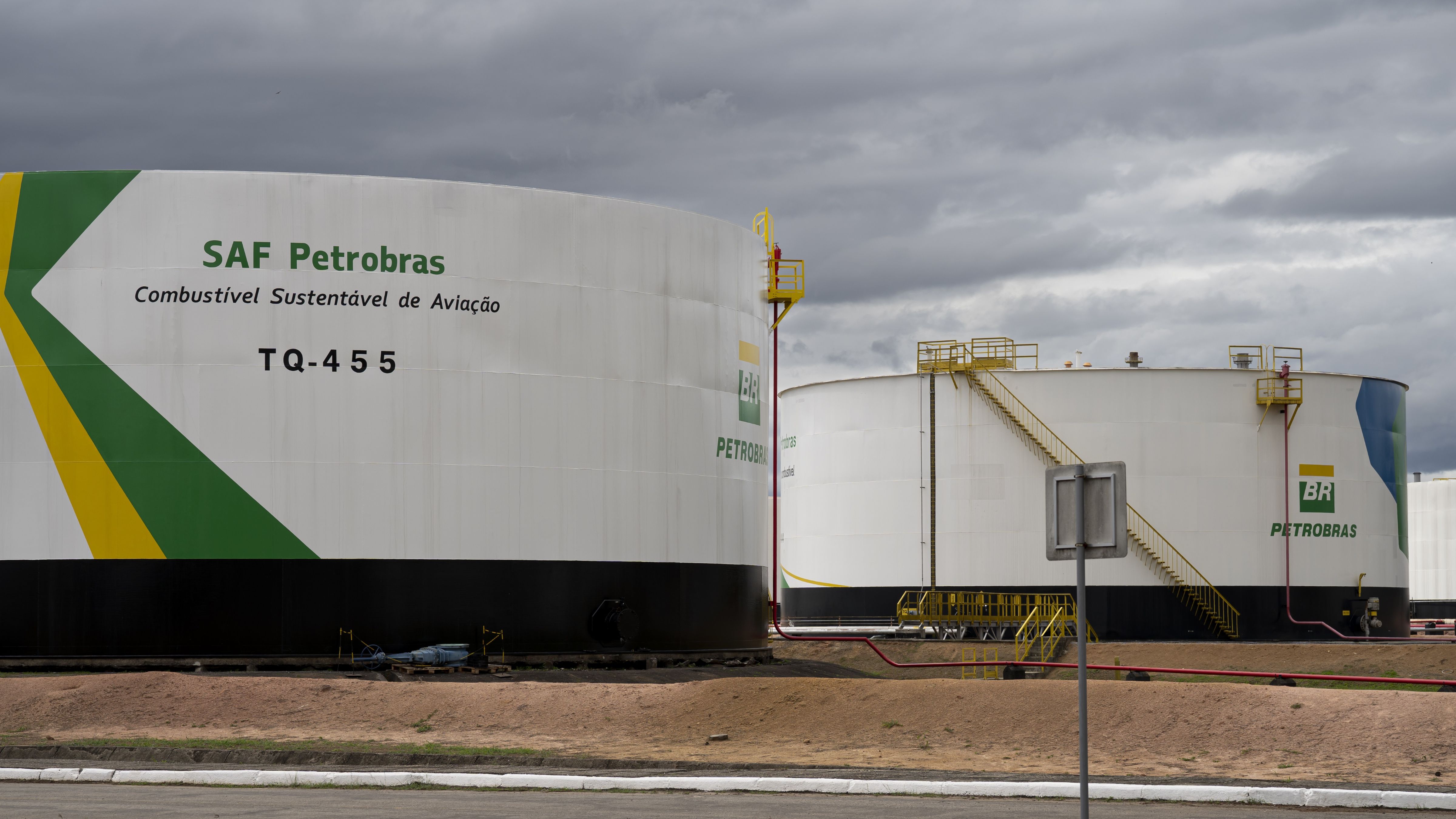
In a parallel move toward decarbonization, Petrobras delivered its first batches of sustainable aviation fuel produced entirely in Brazil. The 3,000 m³ of SAF, certified under ICAO’s CORSIA rules, were supplied to distributors operating at Rio de Janeiro’s Galeão International Airport. The volume represents about one day of jet fuel consumption in the state.
SAF made through Petrobras’ coprocessing route can replace conventional jet fuel without modifications to aircraft or fueling infrastructure. “SAF is a competitive product that meets stringent international standards,” said CEO Magda Chambriard. She noted that offering the fuel ahead of regulatory mandates will help airlines comply with global emissions requirements starting in 2027.
Petrobras’ SAF incorporates renewable feedstocks such as technical corn oil or soybean oil, cutting lifecycle CO₂ emissions by up to 87% in the renewable portion. The first deliveries came from the Reduc refinery, which has ANP authorization to include up to 1.2% renewable material in its SAF stream. Other units — Revap, Replan and Regap — are preparing to join production by 2026.



Leave a Reply