
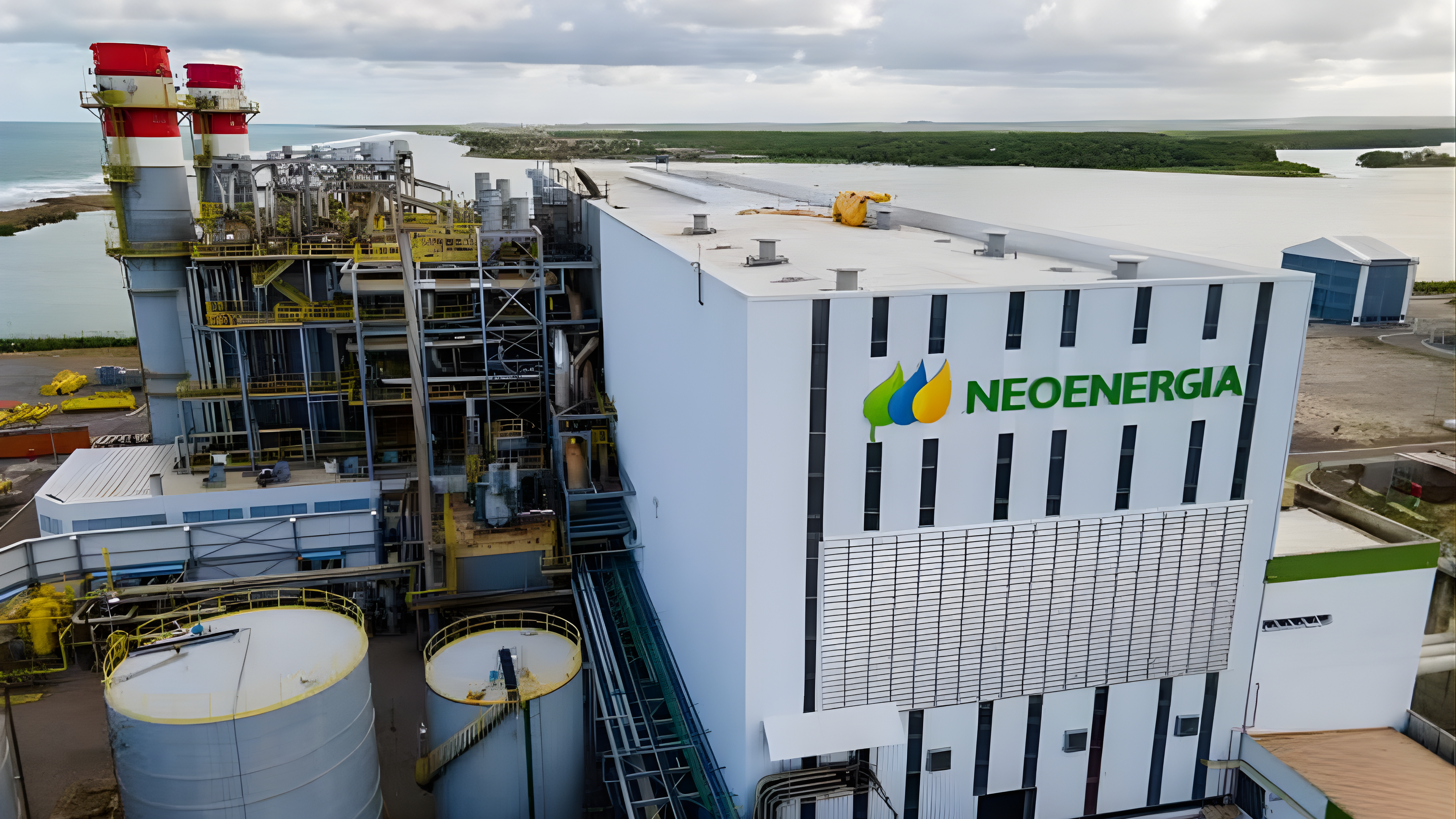
By Brazil Stock Guide — Brazilian electricity company Neoenergia reported a 27% increase in third-quarter net profit on Tuesday (October 20), supported by higher electricity consumption, improved operating performance and gains related to a transaction involving its transmission assets.
Net income attributable to controlling shareholders reached R$1.18 billion ($ denominated figures not provided), compared with R$924 million a year earlier. Earnings before interest, taxes, depreciation and amortization (EBITDA) rose 6% to R$3.58 billion, while net revenue fell 7% to R$12.02 billion.
Cash EBITDA, a measure that excludes certain noncash regulatory adjustments and corporate transactions, increased 12% to R$3.15 billion, reflecting stronger underlying operating performance.
The company benefited from growing electricity demand across its five distribution businesses, particularly among residential and agricultural customers.
Higher consumption supports distribution business
Electricity distributed by Neoenergia rose 6% year over year to 19,623 gigawatt-hours (GWh) in the third quarter, driven by higher temperatures and an expanding customer base.
Residential electricity consumption increased 9.1%, while agricultural demand climbed 13.2%, partly reflecting greater irrigation requirements. Industrial consumption rose 1.8%.
The company’s five distribution utilities served 17.25 million customers at the end of September, up 2% from a year earlier.
Gross margin excluding the revaluation of concession-related financial assets increased 6% to R$4.52 billion, supported by stronger electricity volumes, tariff adjustments and newly operational transmission assets.
However, reported gross margin declined 1% to R$4.53 billion, as gains from concession asset revaluations fell sharply from the previous year.
Operating expenses increased 6% to R$1.15 billion, while provisions for expected credit losses rose 22% to R$143 million.
Transmission deal boosts earnings
Neoenergia’s quarterly results also benefited from a transaction involving transmission assets and Singapore’s GIC sovereign wealth fund.
The company recognized a R$292 million fair-value adjustment associated with the transaction, contributing to R$345 million in equity-accounted income and corporate transaction gains during the quarter.
Completed on September 30, the transaction generated R$1.7 billion in cash proceeds and left Neoenergia with a 51% ownership stake and control of Neoenergia Transmissão.
Financial expenses, net of financial income, declined to R$1.41 billion from R$1.51 billion a year earlier, helped by higher returns on financial investments.
The improvement was partly offset by weaker wind power generation and lower hydroelectric margins following changes in the company’s generation asset portfolio.
Debt rises as grid investment continues
Neoenergia invested R$6.17 billion during the first nine months of 2026, down 19% from the same period last year.
Distribution accounted for R$5.68 billion of that amount, an 18% increase, as the company continued expanding and upgrading its electricity networks.
Transmission investment, meanwhile, fell sharply as major construction projects approached completion.
Net debt reached R$52.23 billion at the end of September, up 7% from December 2025, primarily reflecting investment in distribution infrastructure.
The company’s net debt-to-EBITDA ratio stood at 3.44 times, compared with 3.41 times at the end of last year. Including the pro forma EBITDA contribution from recently consolidated transmission assets, leverage would have been 3.29 times.
Nine-month profit remains below 2025 levels
Despite the stronger third quarter, Neoenergia’s net income for the first nine months of 2026 declined 5% to R$3.36 billion.
Nine-month EBITDA increased 9% to R$11.23 billion, while cash EBITDA advanced 9% to R$8.90 billion.
The comparison with 2025 was affected by a R$770 million tax credit recognized in the second quarter of last year, which had boosted earnings in that period.
For investors, the results highlight improving electricity demand and stronger cash operating earnings, alongside the continuing financial demands of Neoenergia’s investment program.
The key question remains whether the utility can sustain operating growth while managing its substantial debt load and funding further expansion of Brazil’s electricity networks.


Leave a Reply