
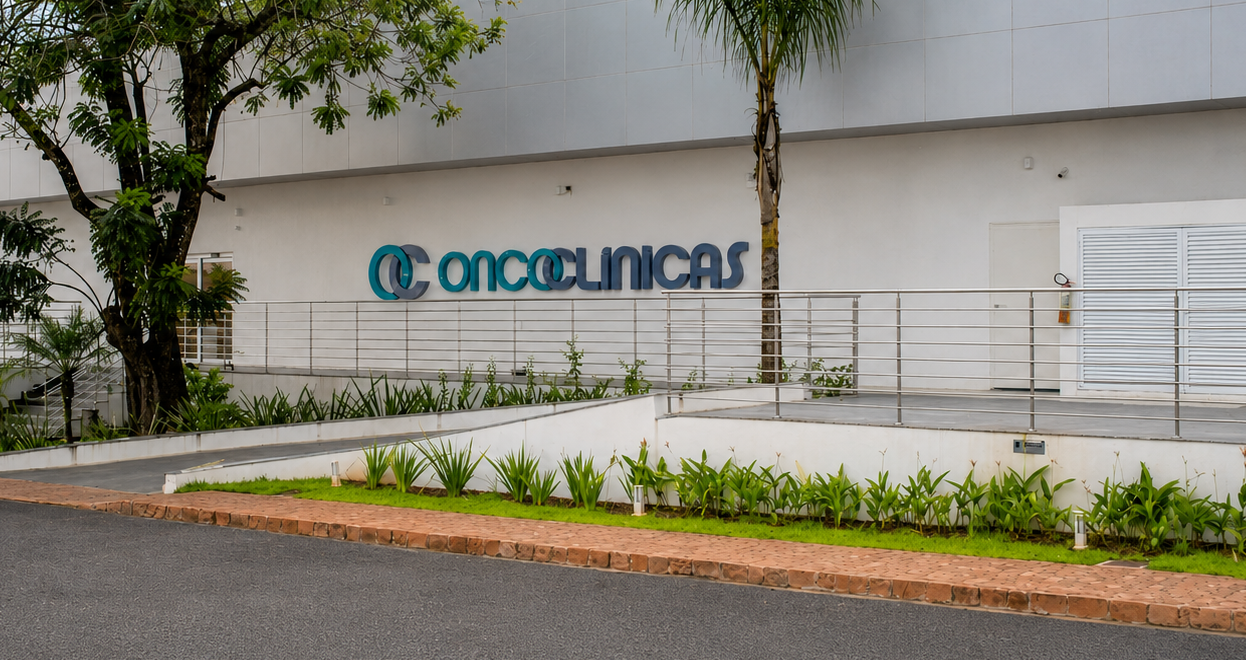
Brazil Stock Guide — Brazil’s Securities and Exchange Commission, known as the CVM, unanimously ruled on Tuesday, August 25, to overturn the position of its technical staff and find that the bylaw trigger for a mandatory tender offer for Oncoclínicas shares had been met.
According to the CVM’s official meeting summary, the board unanimously granted the appeals challenging the Securities Registration Superintendence’s, or SRE’s, conclusion that Oncoclínicas’ mandatory tender-offer provision did not apply. CVM Chairman Otto Lobo and directors João Accioly and Igor Muniz participated in the decision. Director Marina Copola was recused and did not vote.
The ruling represents a victory for the interpretation advanced by Latache and a setback for Centaurus, which had argued that the 2024 reorganization of the Josephina funds merely separated an economic interest that already existed before Oncoclínicas’ IPO and therefore should not have triggered the company’s bylaw-based tender-offer provision.
In a statement, Latache said that “Goldman Sachs and Centaurus owe explanations to Brazilian investors.” The asset manager added that “the proper forum for challenging any CVM decision is the Federal Court system, and any attempt to pursue a different route amounts to legal maneuvering.”
Josephina III also responded to the ruling. In a press statement, the fund said that “the CVM’s technical staff twice concluded that the public tender offer should be rejected” and said it disagreed with Tuesday’s board decision, which reached a different conclusion.
The fund added that it considers the Arbitral Tribunal of B3’s Market Arbitration Chamber, or CAM, to have exclusive jurisdiction over the commercial dispute among shareholders, which is why it initiated arbitration proceedings last week.
Corporate reorganization at the heart of the case
At the center of the dispute is the reorganization of the Josephina funds. Centaurus argued that it already had economic exposure to Oncoclínicas before the company went public and that the 2024 transaction merely separated a stake that had previously been held through structures linked to Goldman Sachs.
Minority shareholders argued the opposite. Latache’s position was that indirect economic exposure was not equivalent to the ownership interest contemplated by the bylaws and that, after the reorganization, Josephina III separately held about 16.05% of Oncoclínicas, above the 15% threshold that triggers the mandatory tender offer.
That argument had previously been rejected by the CVM’s technical staff. It has now prevailed before the board.
The market had already been pricing in the possibility of a reversal. Oncoclínicas shares have risen about 170% over the past 30 days, as investors increasingly bet that the CVM board could overturn the technical staff’s decision and find that the tender-offer trigger had been met.
Tuesday’s ruling changes the nature of the dispute. The key question is no longer simply whether the trigger was activated, but what happens next: who must fund the offer, which shareholders are entitled to tender their shares, and at what price.
A potential tender offer has been estimated at about R$6 billion, roughly three times Oncoclínicas’ current market capitalization.
The obligation would fall on whichever party is ultimately deemed responsible for crossing the ownership threshold set out in the bylaws, placing Josephina III and Centaurus at the center of the next stage of the dispute. The ruling, however, does not by itself establish that Goldman Sachs could be held liable for funding the offer.
On the other side are Oncoclínicas shareholders. The bylaw provision contemplates an offer covering the shares subject to the rule, and Latache, with a stake of approximately 14.6%, stands out as one of the largest potential beneficiaries.
Other eligible shareholders could also tender their shares, although the exact universe of investors entitled to participate has yet to be determined.
Pricing will be another major issue. Oncoclínicas’ bylaws set out their own criteria for calculating the minimum offer price, including references to market prices and prices paid in certain transactions.
Because minority shareholders argue that the obligation arose in 2024, implementing the ruling will still require decisions on the relevant reference date, any applicable adjustment, the number of shares covered and the terms of the offer.
The R$6 billion figure therefore remains an estimate of the potential size of the transaction rather than an amount set by the CVM.
There is also an important distinction for investors: a tender offer of that size would not put R$6 billion into Oncoclínicas’ balance sheet. It would be a secondary purchase of existing shares, with the money flowing from the bidder to shareholders who choose to tender. The company and its creditors would not directly receive those proceeds.
Arbitration opens a second front
Tuesday’s decision does not end the dispute.
Days before the CVM hearing, Josephina III, a fund linked to Centaurus Capital, initiated arbitration proceedings against Latache vehicles before B3’s Market Arbitration Chamber.
The arbitration is not an appeal of the CVM ruling. The two proceedings deal with different aspects of the controversy. The CVM determines, from an administrative and regulatory standpoint, whether the mandatory tender-offer obligation applies, while the arbitration concerns the private-law relationship among the shareholders and the rights and obligations arising under the company’s bylaws.
With minority shareholders now prevailing before the CVM board, that second front becomes even more important.
The full claims filed in the arbitration are not public, but the proceedings could address the scope of the bylaw provision, Latache’s rights and the terms of any eventual tender offer.
The CVM board also rejected a request by Josephina III to remove a legal opinion from the case record and ratified an earlier decision by Igor Muniz, acting as interim chairman, granting the fund additional time to submit its position. An appeal filed by ABRAICC was deemed moot.
The CVM’s meeting summary does not yet spell out the price, timetable, universe of eligible shareholders or mechanics for implementing a potential tender offer. The regulator itself noted that the document is for informational purposes only and does not replace the formal minutes, which will be released later.
The publication of the full votes will therefore be the next key event in the dispute. They should provide a clearer picture of how the board interpreted the 2024 reorganization and may help answer the three questions now at the center of the case: who pays, who can tender, and what the offer is worth.


Leave a Reply