
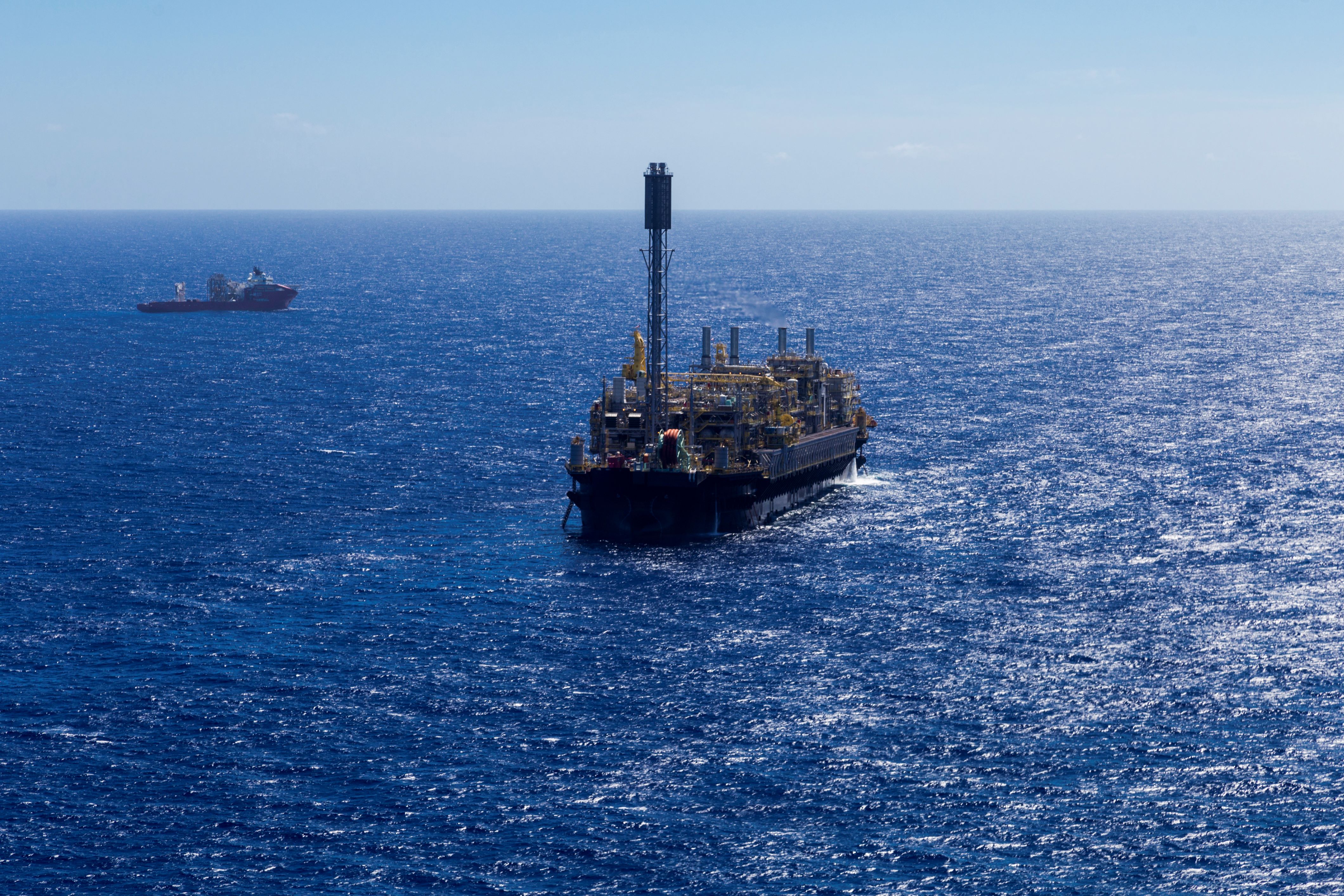
By Brazil Stock Guide – Brazil’s oil exports climbed to their second-highest level on record in March, fueled by a surge in demand from China as global energy flows were reshaped by disruptions in the Middle East.
China imported 1.6 million barrels per day of Brazilian crude during the month, the highest volume ever recorded and equivalent to 67% of Brazil’s total exports. The figure surpassed the previous record of about 1.46 million barrels per day set in May 2020.
Total Brazilian crude exports reached 2.5 million barrels per day, up 12.4% from February and second only to March 2023 in historical terms. The increase reflects a broader reallocation of supply routes following constraints at the Strait of Hormuz, a key global shipping corridor.
“The increase in exports was already expected, as the closure of the Strait of Hormuz led importers to seek alternative suppliers, with Brazil absorbing part of the lost Middle Eastern supply,” said Bruno Cordeiro, a market intelligence analyst at StoneX.
India emerged as the second-largest destination for Brazilian crude, accounting for 7% of shipments as the country also sought alternatives amid logistical challenges in the Gulf region. Spain and the US followed, with shares of 6.7% and 6.1%, respectively.
“This greater participation by Asia reflects the region’s need to further diversify its suppliers, with Brazil benefiting from this scenario and exporting larger volumes,” Cordeiro said.
A temporary truce in the Iran-related conflict and the gradual reopening of the Strait of Hormuz may ease pressure on Asian buyers in the near term. Still, Brazil is expected to maintain strong export volumes to key markets including China and India.
At the same time, Brazil’s diesel imports dropped sharply in March, totaling 1.05 billion liters, a 25% decline from the previous month. The country imports roughly a quarter of its diesel needs, making the shift notable.
“The significant reduction in shipments to Brazil reflects both increased competition in the global market and rising prices of imported fuel reaching Brazilian ports,” Cordeiro said.
US diesel shipments saw a steep decline, with their share falling to below 1% from 8.3% in February, as exporters redirected cargoes to higher-paying regions, particularly Asia.
Russia expanded its presence in Brazil’s diesel market, increasing its share to 75% from 58% a month earlier, despite stable shipment volumes. The shift underscores changing trade dynamics as supply chains adjust to geopolitical disruptions.
Saudi Arabia and the United Arab Emirates maintained stable export levels to Brazil, each supplying roughly 130 million liters. The data suggest either delayed impacts from earlier disruptions or continued logistical flexibility via alternative routes such as the Red Sea.
Uncertainty remains elevated for April and May, as a temporary ceasefire between the US and Iran may ease competition for cargoes in the short term, but the lack of a lasting resolution raises the risk of renewed disruptions at key transit points.







Leave a Reply