

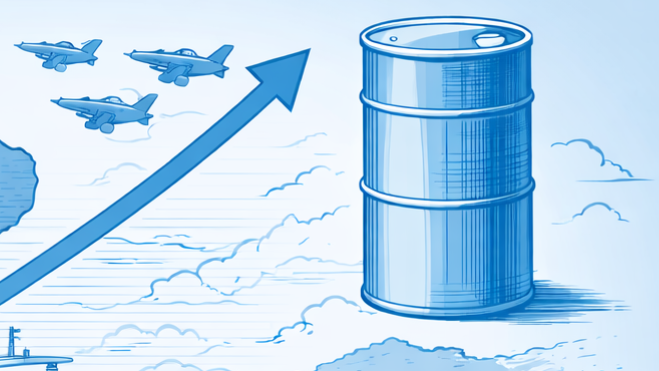
In 1979, Iran’s revolution removed millions of barrels from global supply and oil prices doubled. Inflation surged and advanced economies slid into recession. This weekend’s escalation between the US and Iran has again pushed Brent toward US$ 80. For Brazil, the initial shock looks like a gain.
Petrobras produced roughly 2.99mn barrels of oil equivalent per day in 2025. The portion directly exposed to Brent — crude and natural gas liquids — is about 2.4mn barrels per day. With pre-salt lifting costs below US$ 10 per barrel, every sustained US$ 5 increase in Brent can add close to US$ 2bn to annual Ebitda. Brazil exports around 765,000 barrels per day of crude. Higher prices improve the trade balance, strengthen the real and support dividends. Unlike in 1979, Brazil is no longer an energy victim.
But it is not immune.
Brazil is a net crude exporter, yet it still imports between 100,000 and 150,000 barrels per day of diesel. At US$ 100 oil, the additional import bill could approach US$ 1bn annually. Fuels account for roughly 6–7 per cent of Brazil’s consumer price index and have amplified indirect effects through freight and food. A sustained oil shock could add up to half a percentage point to inflation.
That matters more in Brazil than in most advanced economies. The country operates with structurally high interest rates and a history of inflation sensitivity. A fuel-driven price spike could slow or halt expected rate cuts, tighten financial conditions and dampen domestic growth. Petrobras may earn more — but the wider economy could face higher borrowing costs.
The systemic risk lies beyond price levels. Roughly 20 per cent of global oil flows through the Strait of Hormuz. Any disruption there would shift markets from pricing geopolitical risk to pricing physical scarcity. In that scenario, capital moves to gold and reserve currencies, emerging markets turn volatile and commodity exporters lose their relative advantage.
Moderate oil prices reward Brazil’s export profile. Sustained triple-digit crude exposes its structural fragilities — diesel dependence, inflation sensitivity and political risk around fuel pricing. Petrobras may thrive in a spike. Brazil as a whole may not.


Leave a Reply