
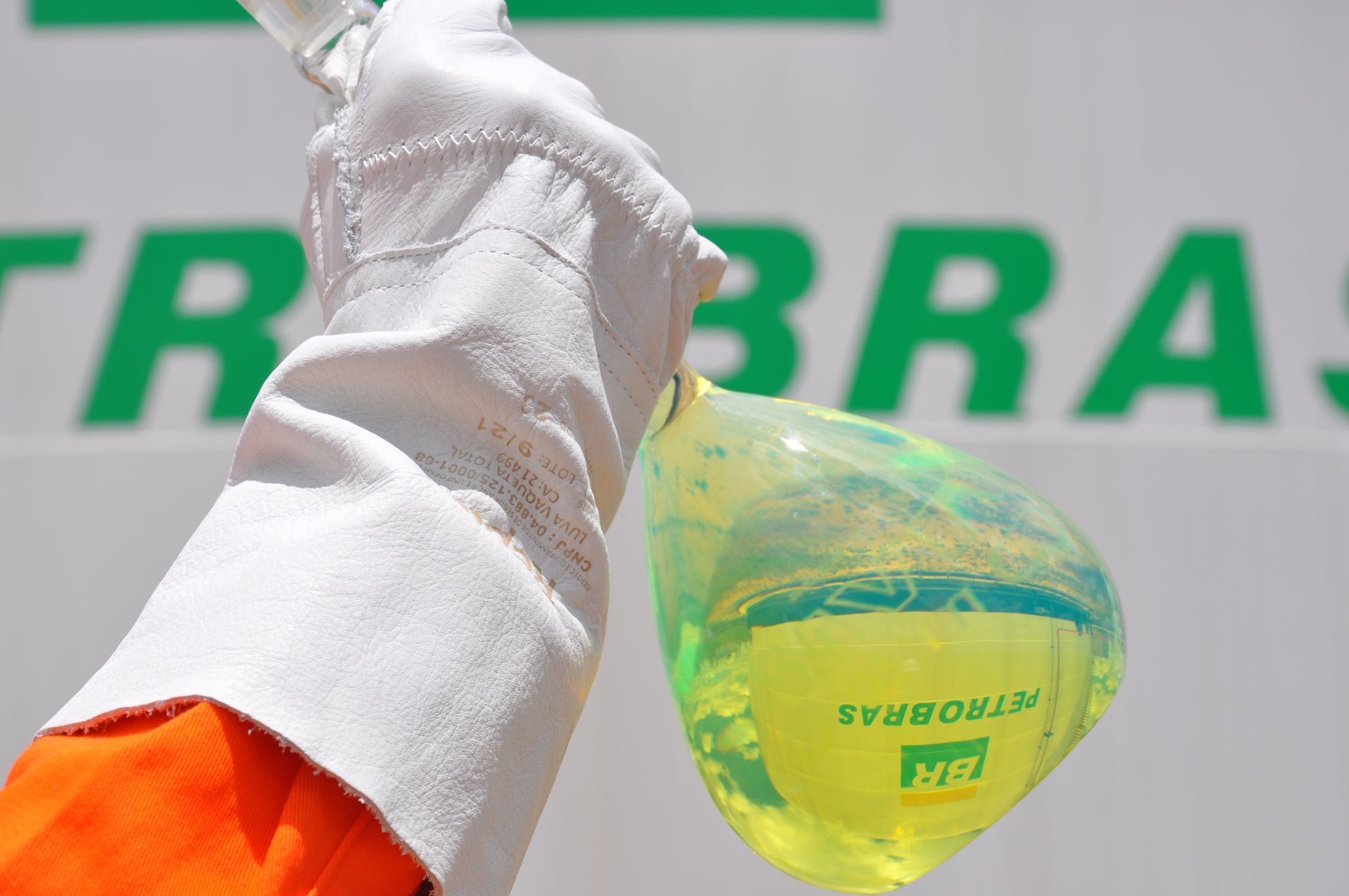
By Brazil Stock Guide – Brazil’s Petrobras has received R$9.9 billion ($1.9 billion) from the federal government under fuel subsidy programs covering diesel, gasoline and liquefied petroleum gas, as the country steps up efforts to limit the impact of higher international energy prices on consumers.
The state-controlled oil producer said it received another R$448 million related to gasoline sold between July 16 and July 31, taking total payments under the programs to R$9.9 billion.
The figure comes as Petrobras prepares to participate in a new federal subsidy for diesel. The company’s board approved joining a program that will pay producers and importers R$1 for each eligible liter of road diesel sold. The measure is initially expected to run for 30 days and may be extended for another 30 days.
Petrobras said the new subsidy can be combined with an existing R$1.12-per-liter diesel subsidy, meaning the company could receive as much as R$2.12 per eligible liter while the two programs overlap.
The company said, however, that its formal participation in the new program still depends on the publication and analysis of the regulations governing the measure.
The subsidies have become an increasingly important part of Brazil’s response to the sharp increase in global oil and refined-product prices.
Petrobras last week raised its diesel reference price to distributors by an average R$1 per liter, while simultaneously granting an equivalent discount linked to the new government subsidy. As a result, the net price paid by distributors did not increase.
The mechanism allows the government to absorb part of the difference through the federal budget rather than passing the full increase on to consumers or leaving Petrobras to bear the cost through lower margins.
The policy is also aimed at reducing distortions in Brazil’s diesel market.
Brazil relies on imports to meet part of domestic diesel consumption. When Petrobras’ domestic prices remain substantially below international import parity, independent traders have less incentive to import fuel, potentially increasing the country’s reliance on Petrobras to supply the market.
The gap widened sharply after international oil prices rose in recent weeks.
The subsidy partly offsets that difference for producers and importers, although it does not necessarily eliminate the gap between domestic and international prices.
For Petrobras, the current system differs from previous episodes of government intervention in fuel pricing because the company receives explicit compensation from the Treasury.
Fuel prices have historically been a sensitive issue for the company, particularly during periods of rising oil prices, when governments face pressure to contain inflation while investors seek to preserve Petrobras’ profitability and pricing autonomy.
The latest measures shift part of that trade-off to the federal budget.
The final fiscal cost will depend on international fuel prices, volumes sold under the programs and whether the new diesel subsidy is extended beyond its initial 30-day period.
Petrobras has not detailed how the R$9.9 billion received so far is divided among gasoline, diesel and LPG, or how much it expects to receive under the new diesel program.
The size of future payments will be closely watched if international oil prices remain elevated, as the government balances inflation concerns against the growing fiscal cost of insulating domestic fuel prices from global markets.


Leave a Reply