
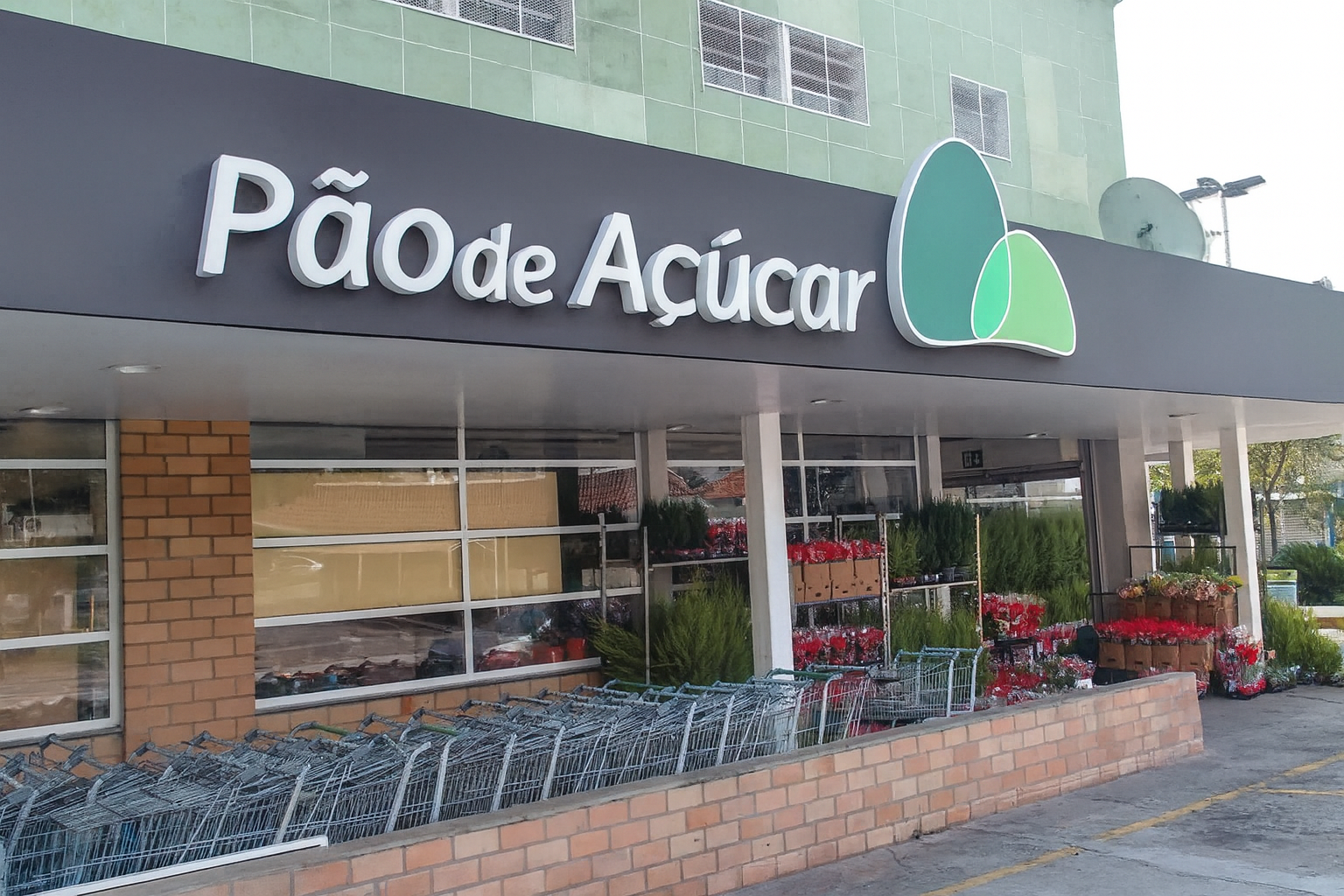
By Brazil Stock Guide – Grupo Pão de Açúcar (PCAR3) – Companhia Brasileira de Distribuição – told a São Paulo bankruptcy court that contractual clauses tied to its arbitration dispute with former controlling shareholder Casino Group could trigger the early repayment of debt — a risk that pushed the Brazilian retailer to seek an extrajudicial restructuring covering about R$4.5 billion in financial obligations.
In a petition requesting judicial validation of the restructuring plan, GPA said certain financing agreements contain cross-default provisions linked to legal developments in the arbitration with Casino. If triggered, those clauses could allow creditors to demand immediate repayment of debt, potentially creating significant liquidity pressure.
The retailer told the court that the risk became more acute because a procedural milestone in the arbitration is scheduled for March 11, 2026, increasing the possibility that lenders could interpret developments in the dispute as a default event.
Former Controller Dispute
The arbitration reflects a broader legal dispute between GPA and its former controlling shareholder. The French retailer Casino took control of the Brazilian group after the founding Diniz family — descendants of Portuguese immigrant Valentim dos Santos Diniz and led by Abílio Diniz — gradually sold control of the supermarket chain during the expansion of international partnerships in Brazil’s retail sector.
The current arbitration centers on tax guarantees linked to goodwill amortization in Brazilian corporate income taxes between 2007 and 2013. Federal tax authorities later challenged those structures, issuing assessments that could reach R$2.6 billion.
GPA argues those liabilities should be covered by guarantees provided by Casino when the French group controlled the company.
Casino, however, maintains that the guarantees became unenforceable after its own court-supervised restructuring in France reshaped the company’s financial obligations.
Debt Negotiations
The restructuring proposal covers roughly R$4.5 billion in unsecured financial obligations and already has support from creditors representing about 46% of the claims included in the process, above the minimum threshold required under Brazilian bankruptcy law to initiate an extrajudicial recovery filing.
By submitting the plan to the São Paulo court, GPA is seeking judicial homologation of the agreement, which would temporarily suspend enforcement actions while negotiations continue with remaining creditors.
The company emphasized that the process applies only to financial creditors, leaving suppliers, employees and commercial partners outside the restructuring.
Legal Risk Meets Balance Sheet
The case illustrates how a corporate dispute with a former controlling shareholder can spill into financial risk.
While GPA attempts to renegotiate debt and stabilize its balance sheet, developments in the arbitration could ripple through its financing contracts if lenders interpret the proceedings as a default trigger.
The retailer operates 728 stores across Brazil, including the Pão de Açúcar, Extra Mercado and Minuto Pão de Açúcar formats, and has been focusing on improving margins and efficiency after several years of restructuring following Casino’s exit from control.
If creditors were to accelerate repayment of debt tied to arbitration developments, the pressure on GPA’s liquidity could intensify rapidly. The extrajudicial recovery filing is therefore designed to contain that risk and buy time for negotiations, even as the cross-border legal battle with its former controller continues.





Leave a Reply