
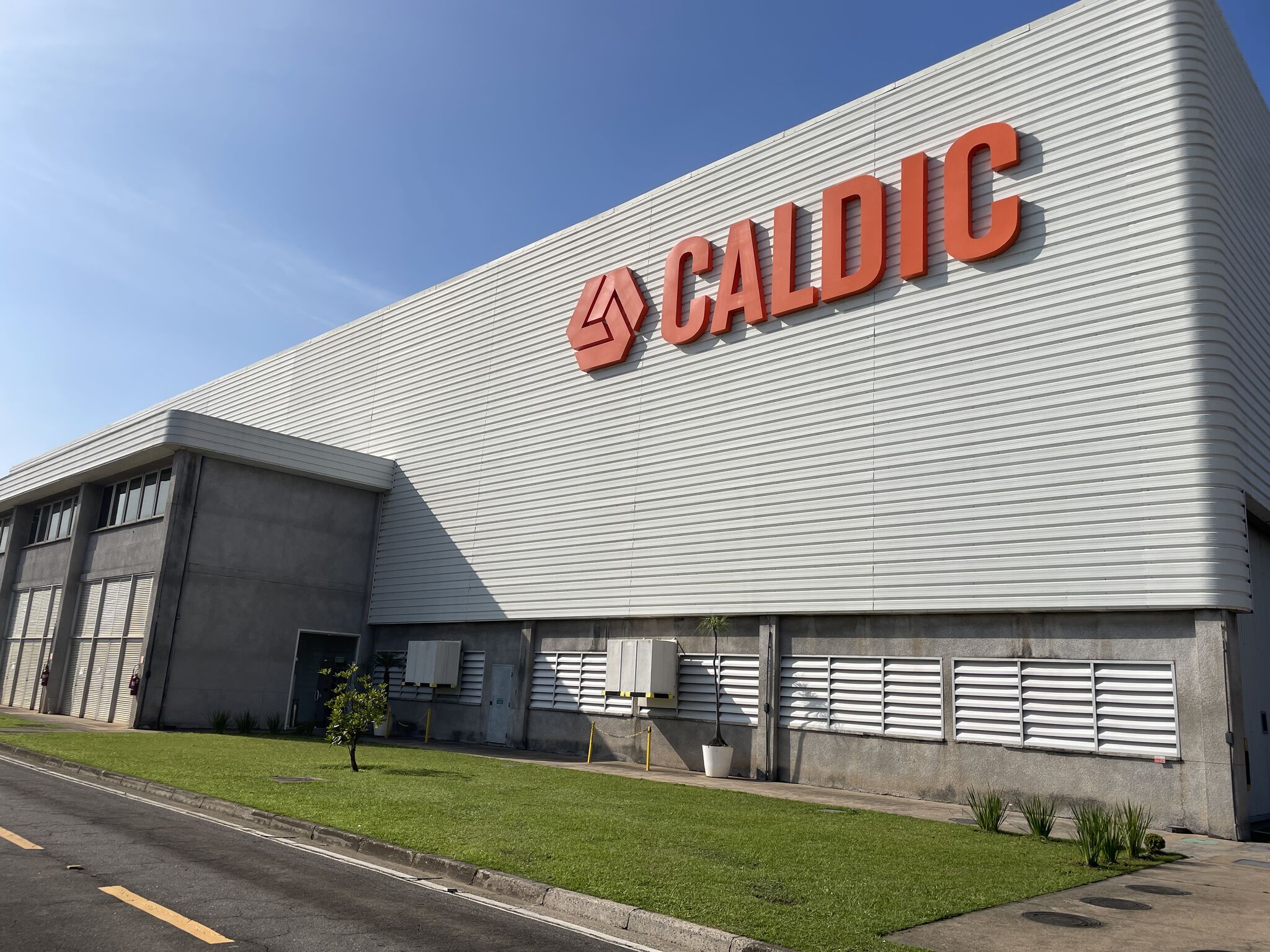
By Brazil Stock Guide – A Brazilian investigation into alleged methanol diversion tied to organized crime has put Caldic LatAm — the regional platform controlled by Advent International — at the center of scrutiny, exposing vulnerabilities in the country’s fuel supply chain, according to Reuters.
Investigators are examining whether sales by the company’s Brazilian unit — formerly known as quantiQ and now part of Caldic LatAm — were diverted into a multibillion-dollar scheme that used methanol to adulterate fuel at gas stations allegedly linked to the Primeiro Comando da Capital (PCC), a criminal group authorities say uses fuel retail networks to launder illicit proceeds.
Authorities have not accused Caldic or Advent of wrongdoing, but say the case highlights how formal distribution channels can be infiltrated by illicit networks, according to Reuters.
Regulatory pressure
Brazil’s regulator, the Agência Nacional do Petróleo, Gás Natural e Biocombustíveis, has already restricted part of the company’s methanol operations and is considering additional sanctions, including potentially revoking its authorization to sell the product, Reuters reported. Since 2024, the regulator has held distributors responsible for downstream misuse, effectively turning compliance into a core operational requirement.
Methanol sits at a critical point in Brazil’s fuel system: essential for industrial use, but prone to diversion due to its lower cost relative to ethanol. That price gap creates a structural incentive for fuel adulteration — and concentrates risk at the distribution level.
Private equity exposure
Reuters said it contacted Advent, Caldic and its Brazilian unit, quantiQ (now Caldic Latam). The Brazilian unit said it is cooperating with authorities and found no wrongdoing in an internal audit. Caldic did not address the findings, and Advent did not respond.
Prosecutors in São Paulo are expected to advance the case in the coming months, while the ANP continues a parallel administrative review. Potential outcomes include fines, operational restrictions and broader regulatory tightening for the chemical distribution sector.
The asset’s history underscores the sector’s consolidation cycle: the business was originally part of the Ipiranga fuel distribution group as Ipiranga Química and was later rebranded as quantiQ while still under Ipiranga. It was subsequently acquired by Braskem — controlled by Odebrecht — and later sold to GTM Holdings, backed by Advent International, which ultimately consolidated the operation under the Caldic brand in Latin America.


Leave a Reply