

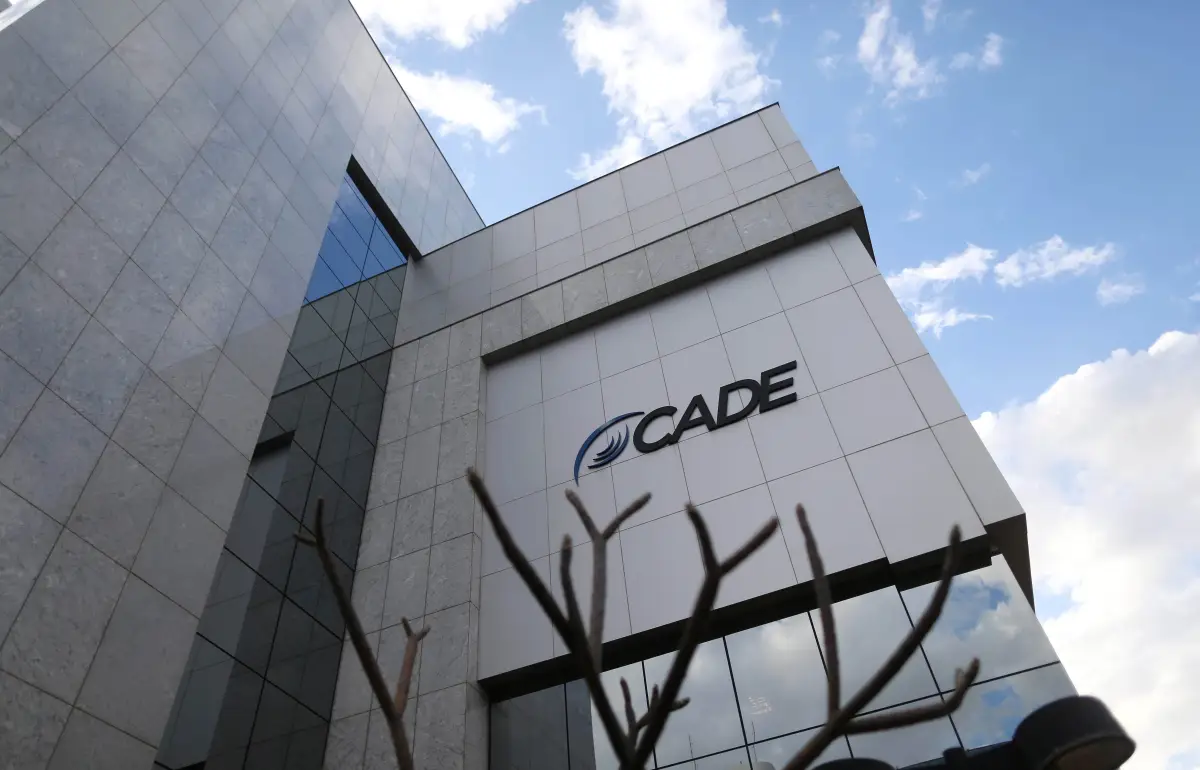
Brazil’s antitrust watchdog Cade has recommended sanctions against 24 companies and 28 individuals for anticompetitive practices in the country’s healthcare industry labor market. The companies include Brazilian subsidiaries of multinational groups such as Abbott, Johnson & Johnson, Medtronic, Roche, GE Healthcare, Thermo Fisher and Becton Dickinson.
The decision, announced on Wednesday (Nov. 25) and published in Brazil’s Official Gazette on Thursday, marks the completion of Cade’s first investigation into anticompetitive practices in the Brazilian labor market. The case could set a precedent for human resources departments across all sectors of the economy.
According to the investigation, the companies’ human resources departments systematically exchanged commercially sensitive information on salaries, bonuses, benefits, recruitment and employee retention policies for at least 11 years. The practices had the potential to undermine competition among employers for workers.
The exchanges took place through an organization known as the MedTech Group, which had its own logo, website, regular in-person meetings, meeting minutes, working groups and internal rules governing membership.
The primary mechanism for sharing information was a series of so-called “Quick Surveys.” Company representatives requested information from competitors via email or WhatsApp, compiled responses into spreadsheets and distributed the results among participants. The data was not anonymized, allowing participants to identify individual companies’ compensation policies, including their future plans.
Cade also found that some companies coordinated their positions in negotiations with labor unions. In 2017, they aligned their strategies to impose a cap on annual wage increases, initially through separately negotiated labor agreements and subsequently through a collective bargaining agreement covering 2017–2018.
According to the technical report underpinning the decision, the information was shared internally with senior management and used to guide corporate decisions. The practice had the potential to undermine competition in the labor market by suppressing or standardizing compensation terms across participating companies.
The investigation stemmed from a leniency agreement signed in 2019. Seven companies — Baxter, Bayer, Edwards Lifesciences, Olympus, Revvity, Siemens Healthcare and Stryker — subsequently entered into settlement agreements. The agreements with companies and individuals include acknowledgment of the practices under investigation and commitments to contribute more than R$60 million to Brazil’s Fund for Diffuse Rights, which finances projects aimed at protecting collective interests.
Some companies challenged Cade’s jurisdiction over labor-related matters, the validity of the leniency agreement and the legality of the evidence gathered during the investigation. Cade’s investigative arm rejected those preliminary arguments.
The authority also recommended dismissing the case against BioMérieux, Hospira, Novartis Biociência and Smith & Nephew due to insufficient evidence. It recommended immunity from administrative sanctions and criminal prosecution for the signatories of the leniency agreement.
The case will now proceed to Cade’s Administrative Tribunal, which will determine liability and any applicable fines. The public version of the technical report does not quantify potential wage losses resulting from the practices under investigation.


Leave a Reply