

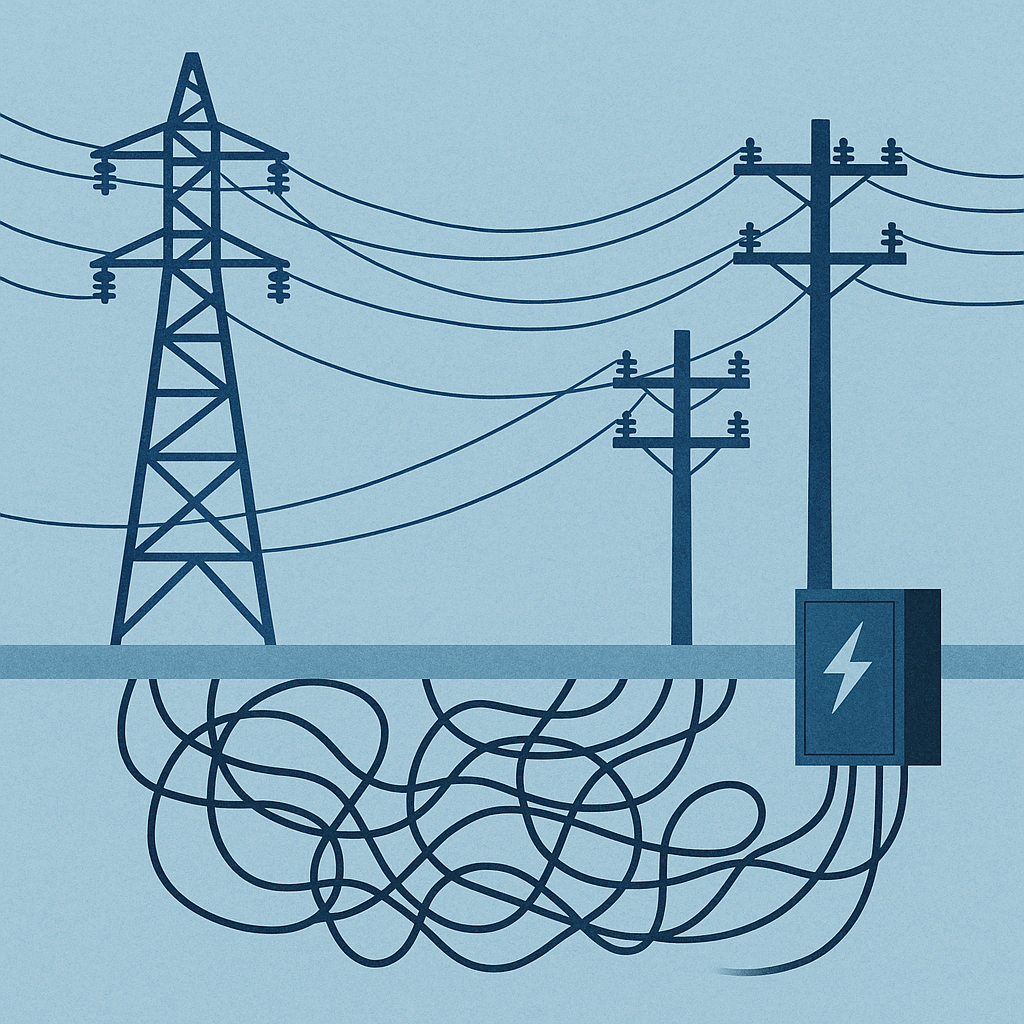
The EMAE saga — involving the power utility that serves Greater São Paulo — has become a case study in how poorly calibrated privatizations can come back to haunt the very governments that champion them. Sold in August 2024 to the Phoenix fund, part of the financial ecosystem orbiting the Master conglomerate — now liquidated by Brazil’s Central Bank — the company had to be rescued a year later by Sabesp, itself newly privatized under Governor Tarcísio de Freitas. What was meant to symbolize private-sector dynamism turned into a last-resort acquisition after Phoenix defaulted and its collateralized shares were executed, triggering a change in control.
With Master’s collapse, the shockwaves rippled across all of the group’s businesses — and EMAE’s ties to the conglomerate proved more direct than initially understood. Before losing control, the company had allocated nearly 6% of its assets to unsecured certificates of deposit issued by Letsbank, another Master-linked entity dismantled during the intervention. More than R$140 million is now frozen.
EMAE says it has enough liquidity to operate normally, but the episode exposes the most vulnerable flank of the entire process: a strategic asset placed simultaneously at the mercy of a defaulting shareholder and of a bank whose solidity evaporated under scrutiny. The sale was announced — with the governor’s emphatic gavel strikes at the B3 auction — as proof of “market agility.” The outcome showed the opposite: a failure of diagnosis.
Sabesp’s R$1.13 billion entry created a paradoxical endgame: EMAE moved from a private controller unable to meet the first financial obligation to another private company that, until recently, was state-owned itself. For the São Paulo government, the deal reinforces the logic of integrating water and energy in a strategy presented as technically sound. Yet behind this public rationale lies an uncomfortable question: how did a supposedly robust process allow in a controller whose solvency collapsed before the ink had dried on the contract?
There is also a largely overlooked social dimension. Fabiano Campos Zettel — an evangelical pastor and lawyer who leads an influential church in Belo Horizonte and is married to Daniel Vorcaro’s younger sister — became in 2022 one of the largest private donors to political campaigns, including a legal R$2 million contribution to Tarcísio de Freitas, to whom he was the top donor. He is not a target of the investigations into Vorcaro. But the arrangement illustrates that the universe around Master is broader, more interconnected and more opaque than the official narratives suggest. The lesson stands: the EMAE problem was not only who bought it, but who was allowed to buy it. And the work of understanding what failed — and why — is only beginning.



Leave a Reply