
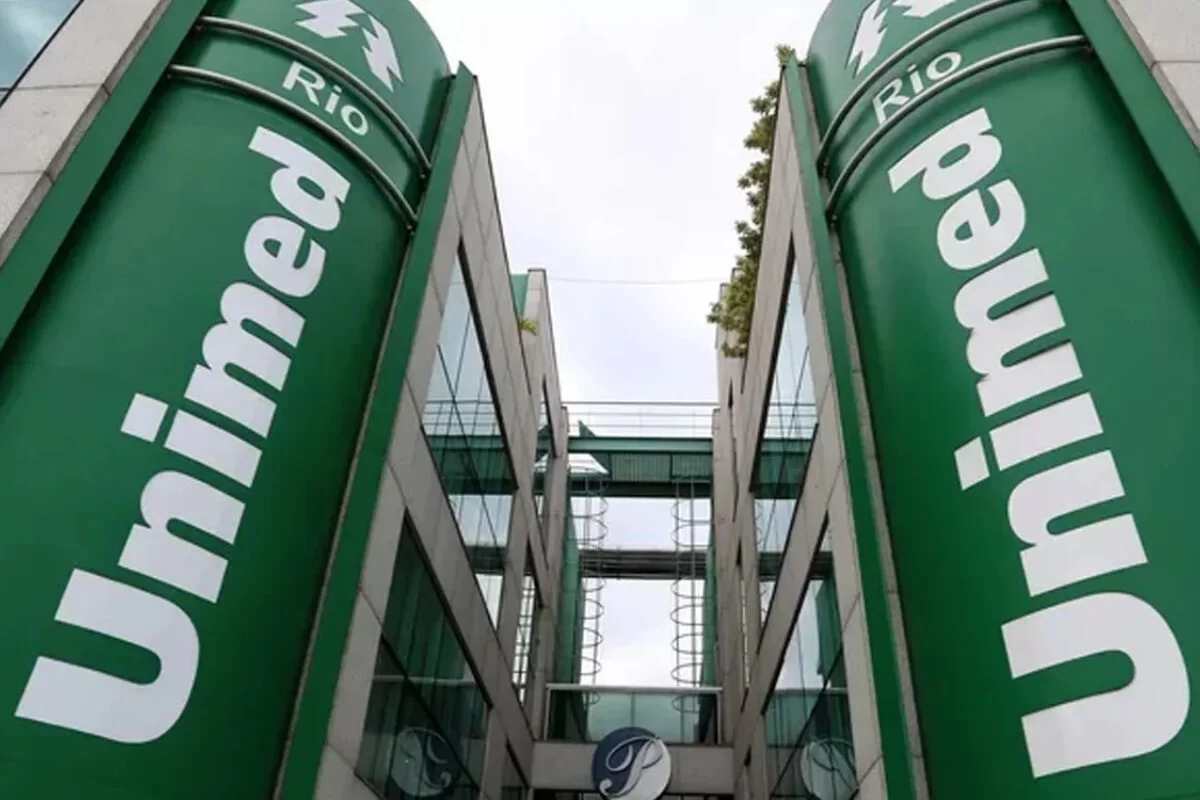
By Brazil Stock Guide – Unimed do Brasil will assume full responsibility for the beneficiaries of Unimed Ferj starting November 20, in a move coordinated by the National Supplementary Health Agency (ANS) to prevent a collapse of Rio de Janeiro’s medical network. The agreement was signed Monday (Nov 10) with representatives from Brazil’s federal and state prosecutors’ offices and the Rio Public Defender’s Office.
The intervention ends a turbulent period for Unimed Ferj, which inherited the troubled portfolio of Unimed Rio in 2024 and quickly sank under the weight of R$2 billion in liabilities. Hospitals and clinics suspended services, queues grew, and thousands of patients lost effective access to care. The ANS decision places Unimed do Brasil — the national confederation that oversees the 370-member cooperative system — at the center of a high-stakes rescue mission.
“Restoring full assistance is our top priority,” said Wadih Damous, director-president of ANS, in an official note. The agency, which had already placed Unimed Ferj under fiscal supervision, is monitoring daily cash flows and service continuity as it transfers operations to Unimed do Brasil. “Our focus is to protect beneficiaries and preserve the stability of the cooperative system,” Damous said.
The Rio crisis exposes a deeper governance fault line within Brazil’s largest private health-care network. Created as an emergency solution following Unimed Rio’s near-collapse, Unimed Ferj was designed to consolidate 92 municipal cooperatives into a single state-level operator. Instead, within a year it lost roughly 20% of its client base and defaulted on payments even to critical providers — a scenario reminiscent of Unimed Paulistana’s liquidation in 2016, when more than 700,000 people were left without coverage in São Paulo.
Despite such local breakdowns, the Unimed system remains Brazil’s dominant supplementary health conglomerate, covering 20.5 million people in 90% of municipalities. Its flagship entities — in Belo Horizonte, Porto Alegre, Curitiba, and Seguros Unimed — are financially sound and profitable. Yet the contrast is stark: while regional cooperatives thrive, major urban operations in São Paulo and Rio have imploded under debt, political infighting, and the absence of centralized governance.
The latest intervention underscores a turning point for Brazil’s cooperative model in health care. As private hospital giants like Rede D’Or, Hapvida, Bradesco Seguros and Amil expand aggressively with deep capital bases and integrated networks, Unimed’s decentralized structure is being stress-tested. For Unimed do Brasil, the task ahead is not just to rebuild Rio’s shattered system — but to prove that the cooperative constellation can still compete in an increasingly corporate-driven market.


Leave a Reply