
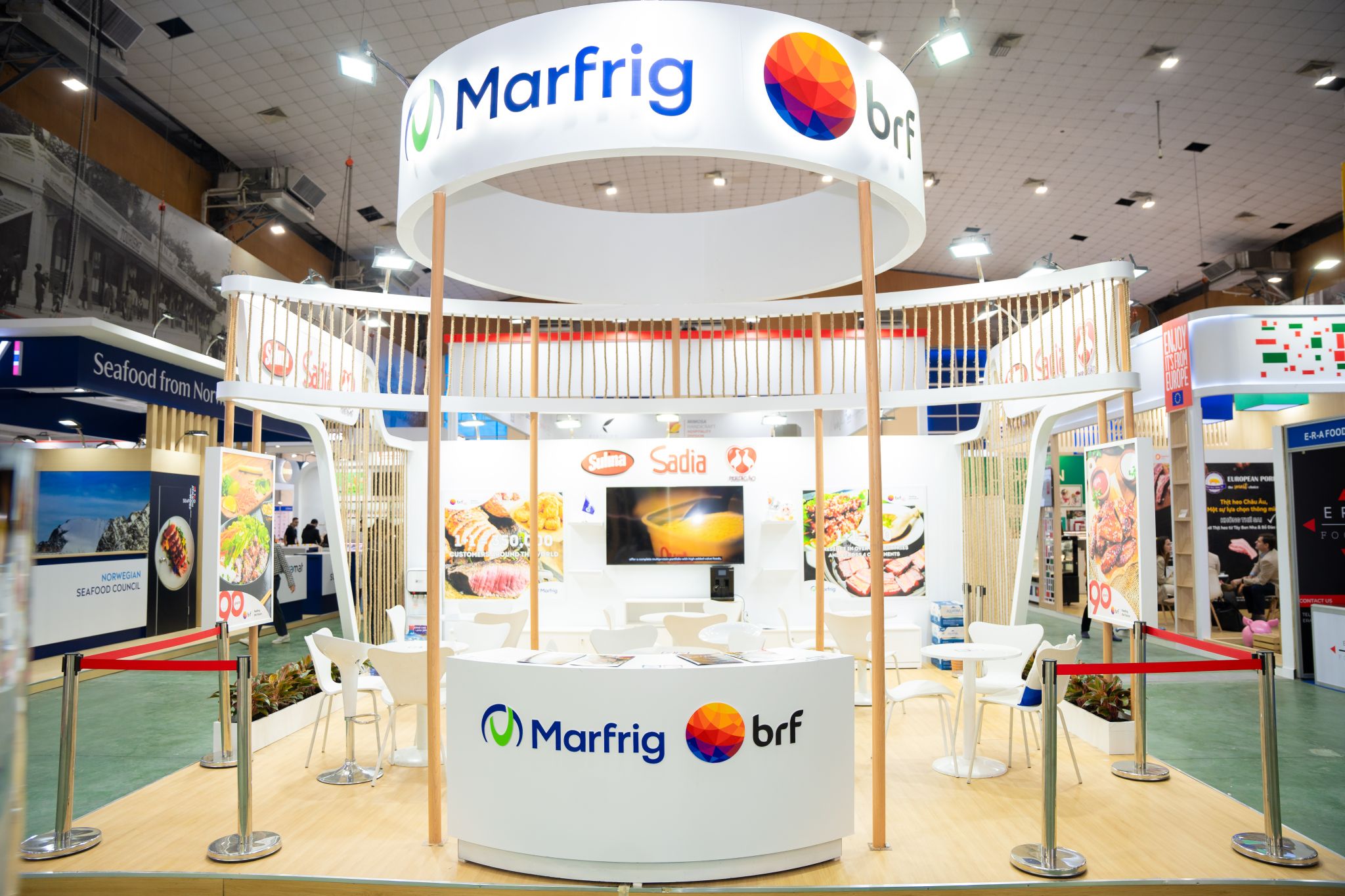
By Brazil Stock Guide – Brazil’s antitrust watchdog Cade is set to approve on Friday, Sept. 5, the merger between Marfrig Global Foods S.A. (B3: MRFG3) and BRF S.A. (B3: BRFS3; NYSE: BRFS). The extraordinary session, scheduled for 3 p.m. in Brasília, will close a process that began in 2021 and pave the way for MBRF Global Foods Company, a protein giant with operations in 117 countries. If no surprises arise, the approval will be confirmed.
The case accelerated after the last board member, who had requested more time on Aug. 20, released his vote this week in favor of unconditional approval. That aligned with Cade’s investigative unit, the Superintendence, and secured a clear majority. The urgency reflects the deadline for dissenting shareholders to exercise withdrawal rights, which expires tomorrow.
Global scale
The new company will generate about R$152 billion ($28.6 billion) in annual revenue, employ more than 130,000 people, and produce roughly 8 million metric tons (8.8 million short tons) of food per year. Its portfolio includes 37 leading brands, such as Sadia, Perdigão and Bassi. BRF will become a wholly owned subsidiary, while Marfrig will remain listed on B3’s Novo Mercado.
Next steps
The merger consolidates one of the world’s largest meat and processed-food groups. It follows years of shareholder battles and underscores Marfrig’s strategy to expand in higher-margin, branded products. Rival Minerva S.A. (B3: BEEF3) tried to challenge the deal on governance grounds but gained no traction.
The creation of MBRF Global Foods marks Brazil’s largest intragroup restructuring in the sector since the 2009 merger of Sadia and Perdigão. Investors are watching whether foreign funds such as the Saudi Agricultural and Livestock Investment Company (Salic) will roll their BRF stakes into new MBRF shares. Any increase in influence, however, would require a separate Cade filing.
For investors, unconditional approval speeds up governance simplification and allows operational synergies to be captured sooner. Analysts also note rising competition in foodservice and plant-based protein, but regulators concluded the deal poses no significant antitrust risks.ulators concluded the deal poses no significant antitrust risks.





Leave a Reply