
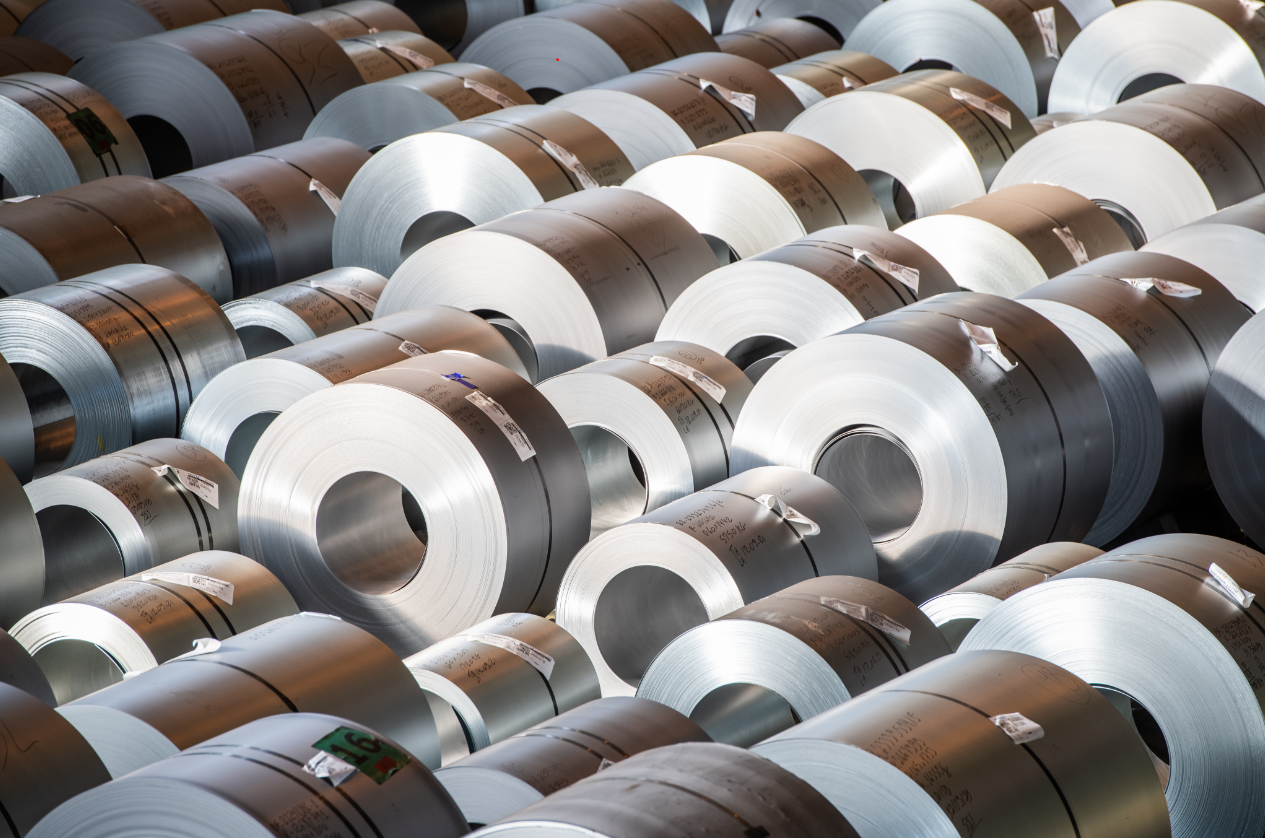
By Brazil Stock Guide – Brazil’s steelmakers cut 5,100 jobs and suspended R$2.5 billion in investments through November as rising imports—largely from China—eroded demand for domestically produced steel, industry data show.
The layoffs and investment freeze come as local producers face declining utilization. Four blast furnaces, one steel shop and five minimills were shut during the period, according to the Instituto Aço Brasil, which represents the sector. The data were released on Tuesday (16).
Citing weaker market conditions, the institute revised its 2025 outlook for crude steel production to a 2.2% decline from a previously projected 0.8% drop. Output is expected to total 33.1 million metric tons, with 21.1 million sold domestically and 10.2 million exported. Export projections were raised by 6.9%.
Imports continue to rise. Purchases of crude steel are forecast to increase 7.5% from 2024 levels, while imports of rolled steel—used by construction firms and manufacturers of cars and machinery—are expected to jump 20.5%. Though below earlier estimates, the figures remain elevated, the institute said.
Brazil imported 5.4 million metric tons of rolled steel through November, compared with an annual average of 2.2 million tons between 2000 and 2019. About 64% of those imports came from China. An additional 6.2 million tons entered the country indirectly as finished goods such as appliances, vehicles and machinery.
The institute attributes the surge to what it describes as dumping practices. Data from price-tracking platform Platts show Chinese hot-rolled coil prices falling to $454 a ton in November 2025 from $560 in January 2024, even as margins at Chinese mills narrowed.
Domestic producers lowered prices to compete, weighing on earnings. In the third quarter of 2025, sector Ebitda fell to R$2.8 billion, nearly half the level a year earlier. Ebitda margins dropped to 7.7% from 12.9%.
In May, Brazil renewed import quotas covering 16 steel products, 76% of which came from China. The industry says the measure has not stabilized the market and is pressing the federal government to raise tariffs, currently set between 9% and 16% within quotas and 25% above them.
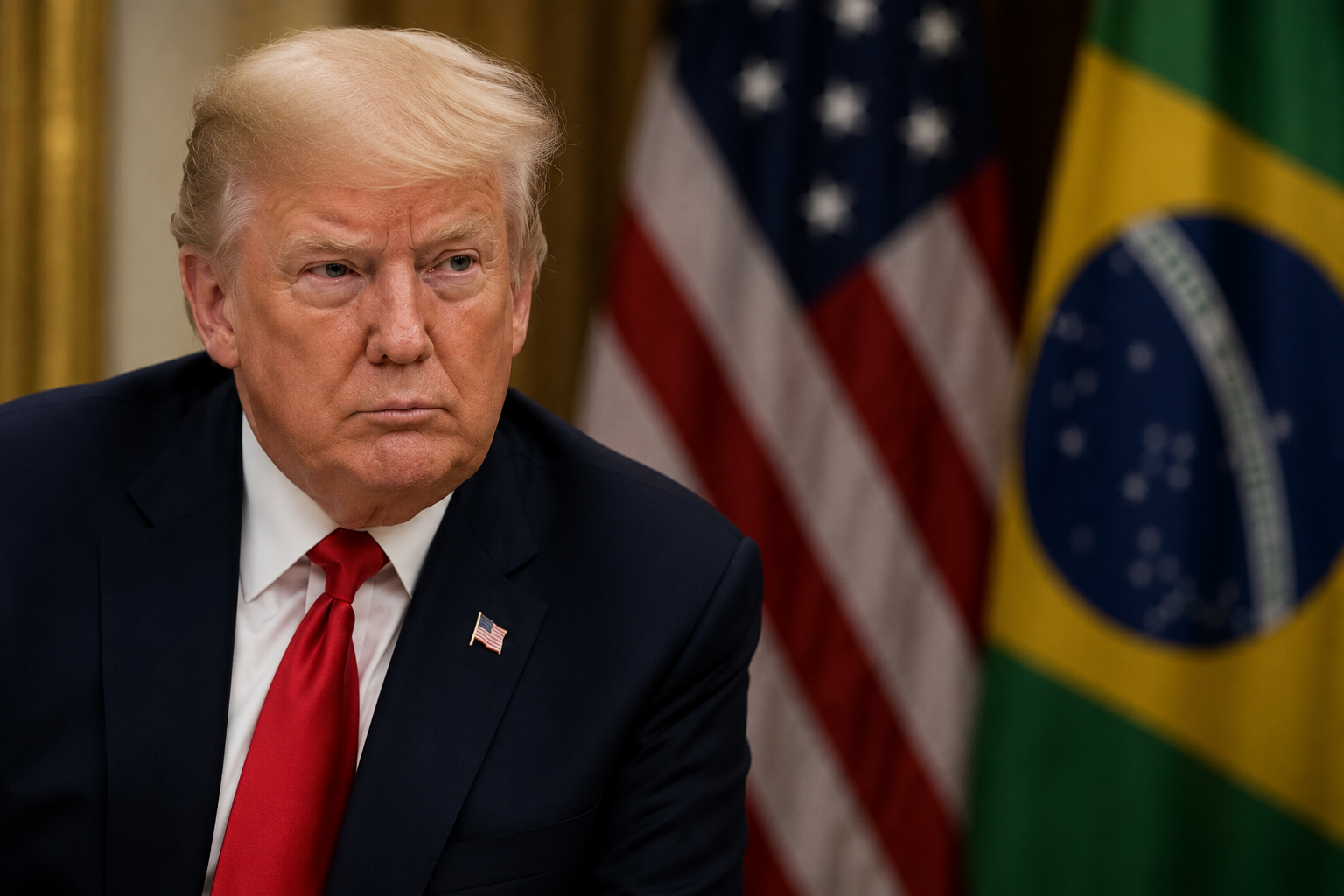
Steelmakers are also watching U.S. trade policy. The United States imposes a 50% tariff on steel imports. Marco Polo de Mello Lopes, chief executive officer of Instituto Aço Brasil, said the group expects negotiations with the government of Donald Trump, the current U.S. president, to restore the quota system adopted in 2018 that allowed up to 3.5 million tons of semi-finished Brazilian steel to enter duty-free. “In 2018, Trump did exactly the same thing,” he said. “If negotiations succeed as they did then, the agreement could be restored and Brazil would supply under quotas with a zero tariff instead of 50%.”



Leave a Reply