
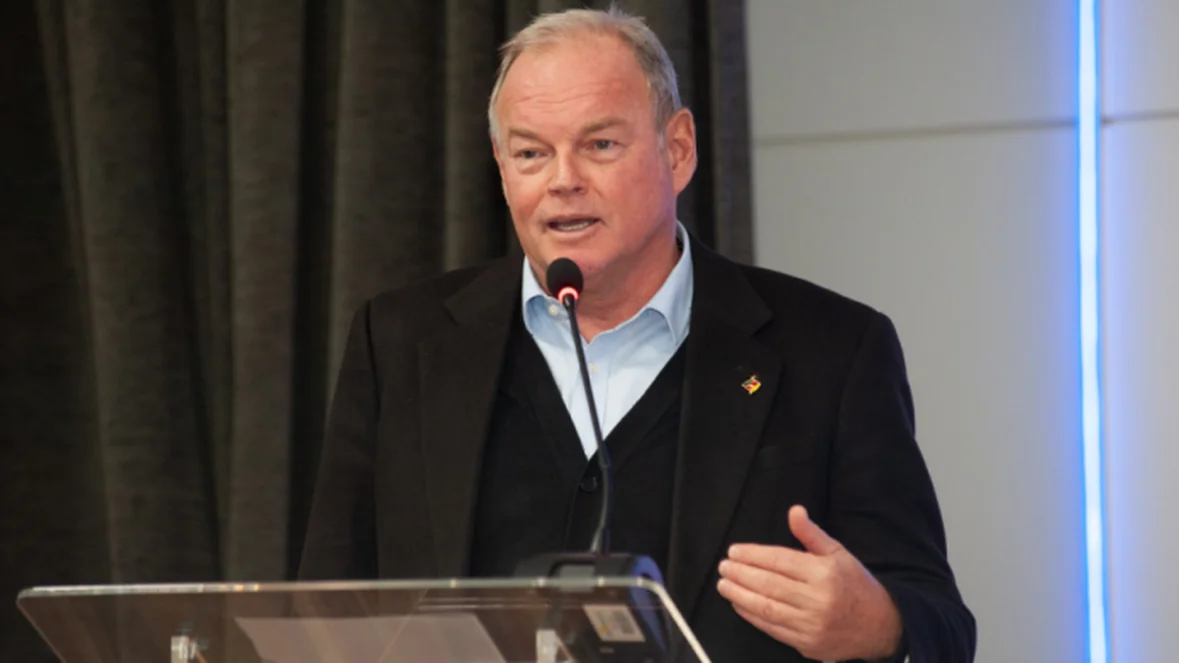
By Brazil Stock Guide – Gerdau SA (BVMF: GGBR4; NYSE: GGB) Chairman André B. Gerdau Johannpeter said Brazil’s steel industry is approaching “a point of near unsustainability” as surging imports and global trade tensions squeeze local producers. His remarks came at the Aço Brasil 2025 conference in São Paulo, as reported by Valor Econômico.
According to Johannpeter, imported steel now accounts for as much as a quarter of Brazil’s domestic consumption — more than double the level of recent years. “We have long suffered from predatory steel imports. The penetration rate, which used to be 10%, is now between 22% and 25%. In domestic sales, this already represents one-third of the market. This volume exceeds Gerdau’s own deliveries,” he said at the event.
Industry slowdown and risk of shutdowns
Johannpeter said local mills are running with 35% idle capacity, far above the 20% considered sustainable. “We are at a point of near unsustainability. We cannot coexist with subsidized steel, export discounts and the wide-ranging participation of the Chinese government in companies,” he stressed. He warned that Brazil’s steel value chain risks being dismantled. “We are reaching the limit. Reducing activity further will make the business unviable. The quota-tariff system helped, but it did not solve the problem.”
Brazil’s government has acknowledged the pressure, opening its largest-ever antidumping probe covering 25 Chinese steel products, while maintaining a quota-tariff regime, according to Valor Econômico.
Global trade pressures intensify
The industry’s woes are also being magnified by global trade disputes. The United States, under President Donald Trump, recently raised tariffs on imported steel to 50%, restricting Brazilian exports. “As a result, there is a trade diversion, and this steel will seek new markets, including Brazil,” Johannpeter said.
The executive framed the issue as not only industrial but also social. “Where will the jobs remain: in Asia or in Brazil?” he asked, emphasizing the need for stronger trade defense measures to safeguard employment and production in the country.




Leave a Reply