
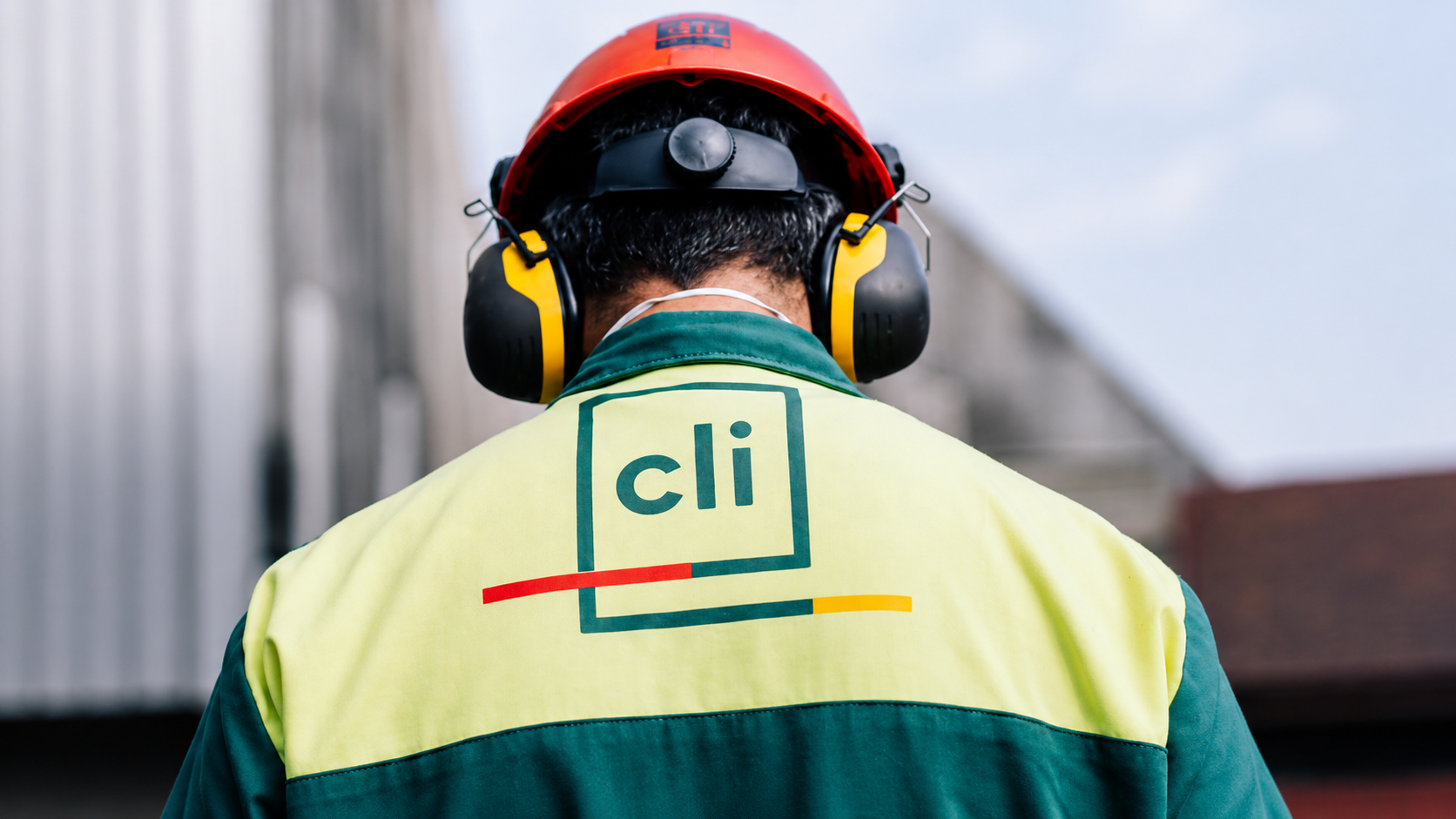
By Brazil Stock Guide – Abu Dhabi Ports has agreed to buy Corredor Logística e Infraestrutura, or CLI, the Brazilian port operator behind agricultural terminals in Santos and Itaqui, in a transaction valued at $835 million.
The price includes $500 million in equity value, with the remainder coming from assumed debt, Brazil Journal reported. The deal is the largest acquisition in Abu Dhabi Ports’ history and marks the company’s entry into Latin America, according to the publication.
The official material fact published by CLI said funds managed by IG4 Capital and Macquarie Asset Management agreed to sell 100% of CLI to ADP Brazil Ports Holdco S.A., a subsidiary of AD Ports Group. Because CLI owns 80% of CLI Sul, the transaction will also result in an indirect change of control at CLI Sul. The closing remains subject to customary conditions, including approval by Brazil’s antitrust regulator Cade and waterway transport agency Antaq.
A Strategic Corridor
CLI is not a generic port asset. The company operates one of the four terminals that make up TEGRAM, the Maranhão Grain Terminal, one of Brazil’s most important infrastructure projects for exporting the country’s grain harvest. The route is especially relevant for grains produced in Maranhão, Tocantins, Piauí, northwestern Bahia and northeastern Mato Grosso — regions that form part of Brazil’s expanding agricultural frontier.
CLI also controls CLI Sul, which operates in the Port of Santos, Latin America’s largest port complex. CLI Sul handles sugar, corn and soybeans produced in São Paulo, Mato Grosso do Sul, Mato Grosso, Goiás and Minas Gerais. Together, the assets give CLI a rare position across two strategic export corridors: Itaqui in the north and Santos in the southeast.
The company’s operations are built around the reception, storage and shipment of solid agricultural bulk cargo. Its combined elevation capacity is above 20 million tons, making CLI one of Brazil’s leading independent port operators focused on agribusiness logistics.
Food Security
The scale helps explain the strategic appeal. CLI’s two assets handled more than 17 million tons of grains and sugar last year, equivalent to around 10% of Brazil’s export volume in those products. CLI posted nearly R$1 billion in revenue, R$556 million in EBITDA and a R$12.7 million loss.
For Abu Dhabi Ports, Brazil is one of the world’s core suppliers of food commodities, and port infrastructure is the physical layer behind that trade. Buying CLI gives the UAE group direct exposure to the movement of soybeans, corn and sugar from Brazil to global markets.
The transaction also fits a broader pattern of Gulf capital moving closer to food-security assets. The investment fits a broader Middle Eastern food-security strategy, giving the buyer access to infrastructure that enables the flow of Brazilian food exports.
Scarce Assets
For IG4 and Macquarie, the deal represents the exit from an asset built through restructuring and consolidation. IG4 first entered the Itaqui terminal in 2020 through the restructuring of roughly $200 million in debt. Two years later, it acquired the Santos agricultural terminal from Rumo and brought in Macquarie as a partner to finance the transaction.
IG4 Capital is an asset manager expected to soon complete the acquisition of control of Braskem, Latin America’s largest petrochemical company. Until earlier this year, CLI was led by Hélcio Tokeshi, the executive expected to become the petrochemical company’s new CEO after the change in control.
Port of Santos
CLI Sul adds another layer to that scarcity. Located in Santos, it is one of 11 operators of solid agricultural bulk terminals in the organized port. Its role is not only to move cargo, but to give trading companies flexible, high-quality service in Brazil’s most important port complex. As an independent, flag-neutral operator focused solely on port infrastructure and agribusiness logistics, CLI Sul occupies a strategic position in the export chain.
The deal still needs regulatory approval. Brazil’s agribusiness logistics network is becoming a strategic target not only for infrastructure investors, but also for countries and companies looking to secure long-term access to food flows. In that sense, Abu Dhabi Ports is not merely buying terminals. It is buying a place inside one of the world’s most important food-export corridors.
Leave a Reply