
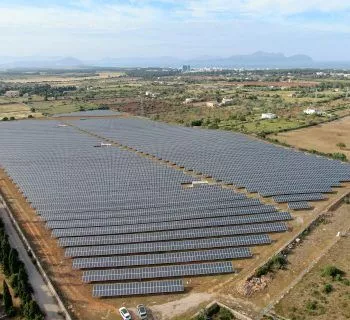
By Brazil Stock Guide – A federal court in Brazil has suspended the installation license for a green hydrogen plant planned by Spain’s Solatio in the northeastern state of Piauí, delivering a setback to one of the country’s flagship hydrogen projects. The decision, issued on Jan. 9 by Judge Flávio Maia and disclosed this week by the Ministério Público Federal, Brazil’s federal public prosecutor’s office, accepted claims that the project lacks critical regulatory approvals.
According to prosecutors, the development does not yet have authorization to connect to Brazil’s national power grid — the Sistema Interligado Nacional, which links most electricity generation and consumption across the country — nor a water-use permit from the Agência Nacional de Águas e Saneamento Básico, the federal agency that oversees water rights, for withdrawals from the Parnaíba River. The ruling establishes a fine of R$ 1 million should the suspension be violated.
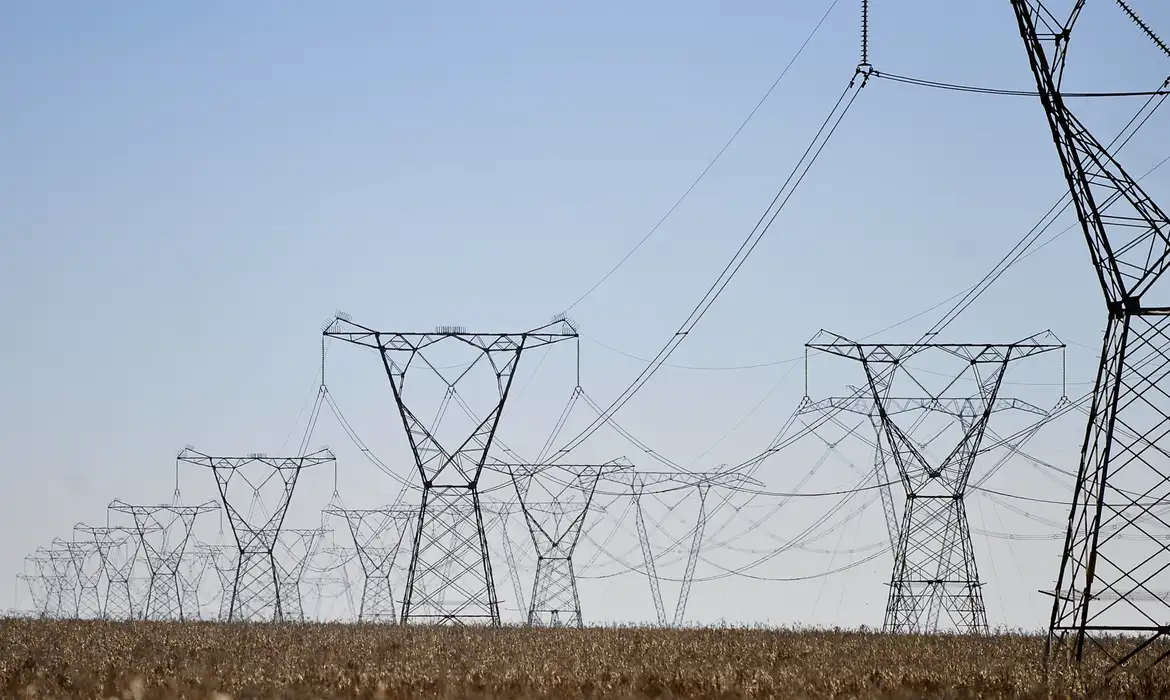
The court also ordered the Agência Nacional de Energia Elétrica, Brazil’s power regulator, to state whether the project can remain technically and regulatorily viable after the Operador Nacional do Sistema Elétrico — the independent grid operator — denied access to the transmission network. In filings cited by the court, the ONS warned that, even after planned grid reinforcements, the project’s current electrical design could create risks of overload and potential failure of existing transmission lines and substations.
Environmental licensing has also come under review. The judge requested clarifications from Instituto Brasileiro do Meio Ambiente e dos Recursos Naturais Renováveis, Brazil’s federal environmental authority, and Instituto Chico Mendes de Conservação da Biodiversidade, which manages protected areas and biodiversity policy.
The Solatio case illustrates a growing friction in Brazil’s green hydrogen push. While the country’s solar, wind and water resources have fueled large-scale investment plans, projects are increasingly constrained by the need to synchronize environmental licenses, water rights and — most critically — access to a transmission grid already under strain. For foreign investors, the ruling underscores that Brazil’s H2V opportunity is as much a regulatory and infrastructure story as it is a renewable-energy one.


Leave a Reply