
By Brazil Stock Guide — Braskem Idesa, the Mexican subsidiary of Brazilian petrochemical producer Braskem, has filed for Chapter 11 bankruptcy protection in the United States under an agreement that will cut more than US$920 million of debt and provide US$476 million of support from its parent company, which is itself negotiating with creditors over its own debt load.
The deal will reduce Braskem Idesa’s senior debt from about US$2.5 billion to US$1.6 billion, a decline of roughly 36%. The company expects to complete the process within 60 to 90 days and continue operating normally throughout the restructuring.
The filing adds another layer to Braskem’s broader financial challenges. The Brazilian petrochemical producer, which owns 75% of the Mexican business, has been discussing a potential debt restructuring in Brazil that could involve more than US$10 billion of liabilities. The company is also approaching the Aug. 24 expiration of court protection it obtained against financial creditors.
Braskem Idesa is therefore seeking to repair its balance sheet before its own parent reaches a definitive solution for its finances.
US$2.1 billion of bonds
Braskem Idesa’s debt is concentrated in two bond issues: US$900 million of notes due in 2029 and US$1.2 billion due in 2032, for a combined US$2.1 billion of principal. The company had been negotiating with creditors for months after missing payments related to the securities.
The Texas filing is a prepackaged Chapter 11, meaning the main terms of the restructuring were negotiated with creditors before the bankruptcy filing, allowing the company to seek a faster court approval process.
Braskem Idesa said it reached an agreement with its shareholders, its term-loan lender and a substantial majority of bondholders. The proceedings cover Braskem Idesa S.A.P.I., Braskem Idesa Servicios S.A. de C.V. and Braskem Idesa Ethane LLC.
Documents released so far do not spell out how the more than US$920 million debt reduction will be allocated among creditor groups or what the ultimate recovery will be for each class of bondholders.
Braskem still has about US$350 million to contribute
Support from the parent company is a key component of the transaction. Braskem has committed a total of US$476 million and will remain the majority shareholder of Braskem Idesa after the restructuring.
Of that amount, about US$126 million had already been made available before the Chapter 11 filing, Braskem said in a regulatory filing on Tuesday. That leaves roughly US$350 million still to be provided as part of the Mexican restructuring.
The commitment comes as Braskem negotiates with its own banks and bondholders over a restructuring of its debt. In announcing the contribution, the company described Braskem Idesa as a “strategic asset.”
The situation puts two restructuring processes side by side. Creditors of the Mexican subsidiary are accepting a significant reduction in debt backed by support from the parent, while Braskem’s own creditors could be asked to grant longer maturities and other concessions as the Brazilian company seeks to repair its balance sheet.
Any restructuring of Braskem in Brazil would not automatically alter the Mexican Chapter 11 because the companies are separate legal entities. Still, the roughly US$350 million yet to be provided to Braskem Idesa creates a meaningful financial link between the two processes.
Resolving the Mexican situation first could also remove a source of uncertainty for Braskem by reducing debt at the subsidiary and restoring its ability to generate cash before the parent completes its own restructuring.
Petrobras and Carlos Slim are part of the ownership picture
Braskem’s control group changed in May, when Shine I FIP, an investment vehicle linked to IG4, replaced Novonor, formerly Odebrecht, in the shareholder structure. Brazil’s state-controlled oil producer Petrobras is also part of Braskem’s control bloc.
Braskem Idesa is a joint venture between Braskem, with 75%, and Grupo Idesa, with 25%. Grupo Idesa is controlled primarily through vehicles linked to Grupo Financiero Inbursa, the financial group associated with Mexican billionaire Carlos Slim’s family.
A US$5.2 billion petrochemical complex in Mexico
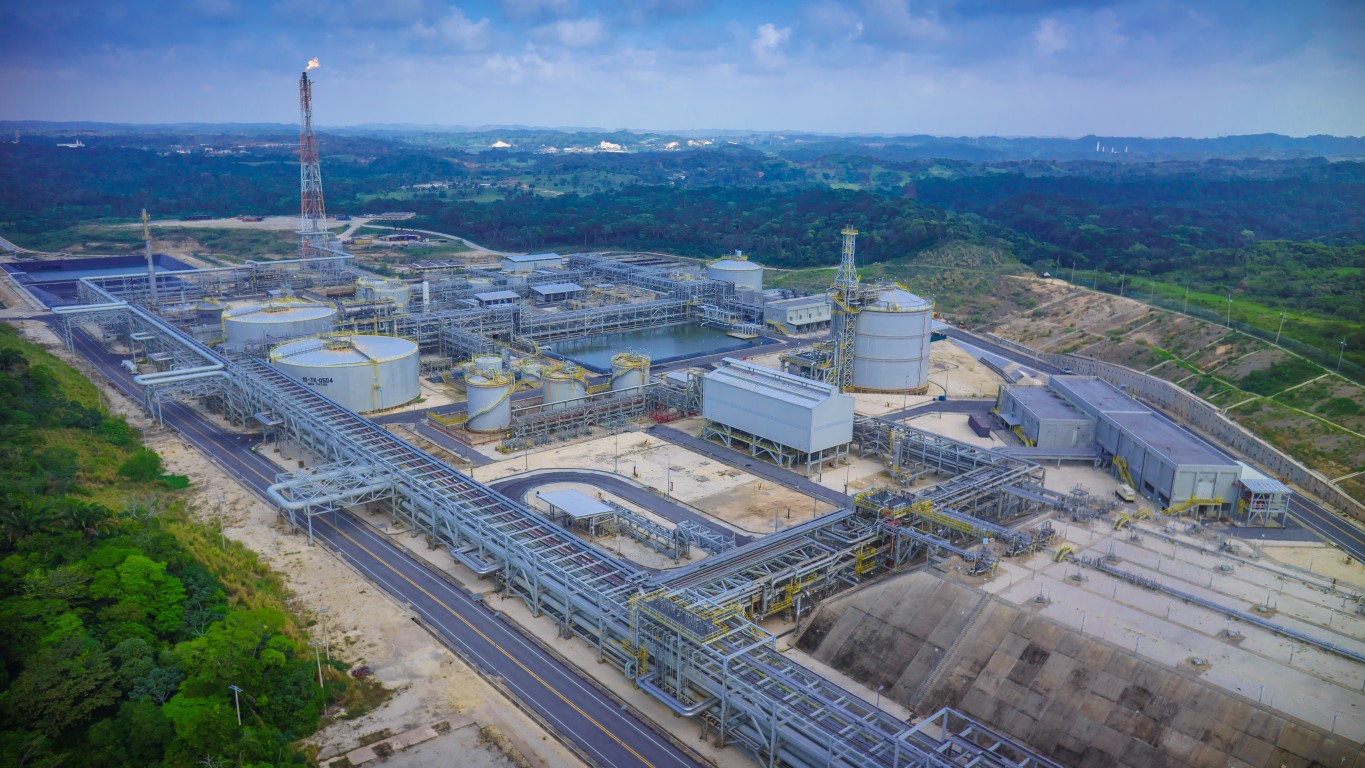
Braskem Idesa was created in 2010 to develop the Etileno XXI petrochemical complex in Veracruz, which began operating in 2016 after investment of about US$5.2 billion. The facility can produce roughly 1.05 million metric tons of polyethylene a year and was designed largely to serve the Mexican domestic market.
A central assumption behind the project was access to ethane supplied by Mexico’s state-owned Pemex. That supply, however, fell well short of expectations. Pemex deliveries to Braskem Idesa dropped from 57,000 barrels per day in 2017 to 17,000 barrels per day in 2025, while capacity utilization at the complex fell from 88% to 64%. Average ethane logistics costs rose to about US$180 per metric ton in 2025, and managerial EBITDA collapsed from US$623 million in 2017 to just US$2 million last year.
The operational response has been the Terminal Química Puerto México, or TQPM, built to receive imported ethane. Under the business plan presented to creditors, 51,000 of the 56,000 barrels per day expected to be consumed in 2027 would arrive through the terminal, leaving only 5,000 barrels per day to Pemex. By 2030, imported ethane is expected to account for more than 90% of supply.
With a more reliable feedstock supply, Braskem Idesa projects plant utilization rising to 95% by 2030, with polyethylene production exceeding 1 million metric tons and managerial EBITDA reaching US$286 million. If it meets its 60-to-90-day timetable, the subsidiary could complete its Chapter 11 restructuring later this year — before Braskem itself reaches a definitive solution for its balance sheet.


Leave a Reply