
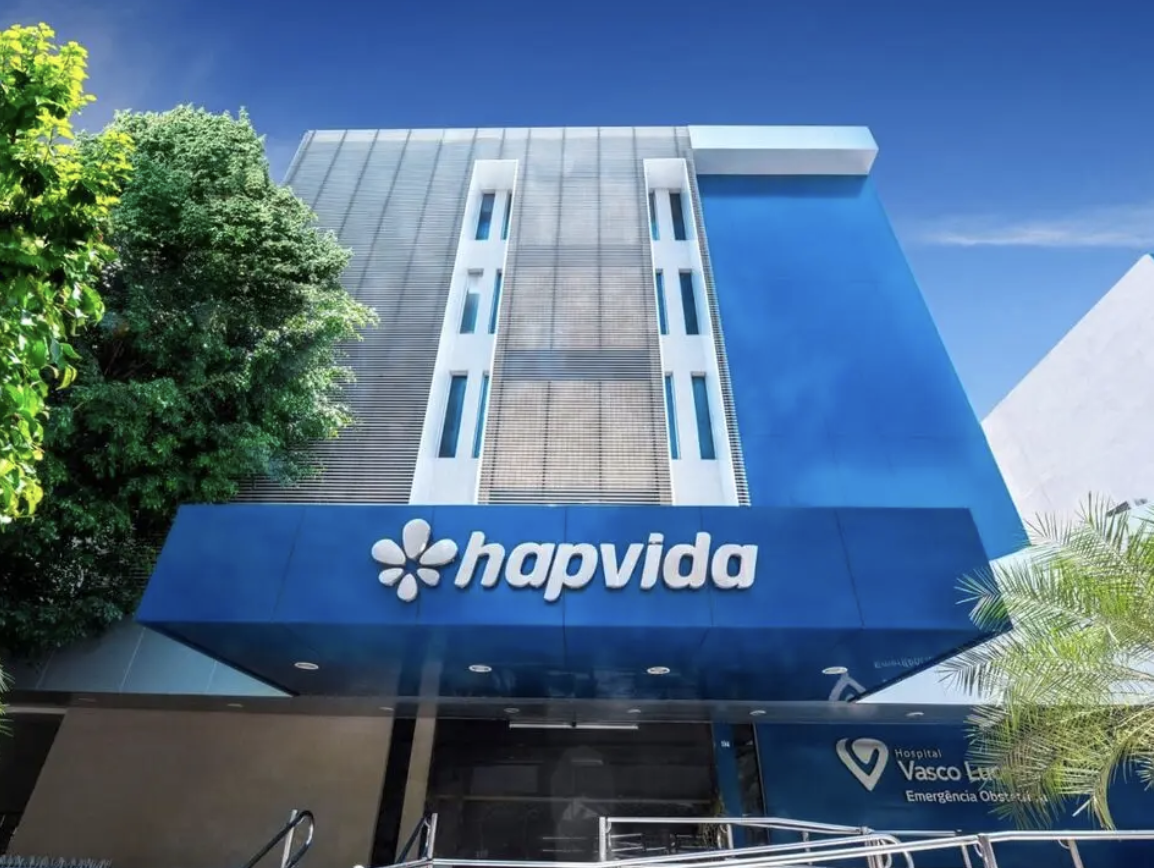
Brazil Stock Guide – Brazil’s private-health regulator ANS unanimously rejected Hapvida’s administrative appeal on Friday, ruling that the company must reverse the effects of a nearly R$900 million gain it recorded in 2024 under the federal Desenrola debt-relief program. The decision, supported by legal guidance from the Attorney General’s Office (AGU), concludes that Hapvida recognized the gain without meeting the legal trigger for adhesion to the program.
Unanimous Decision
All ANS directors voted to uphold the technical area’s earlier conclusion that Hapvida’s recognition of the Desenrola benefit in 2024 lacked legal basis. The regulator reaffirmed that a company is only formally admitted to a Desenrola transaction upon payment — either of the full amount or of the first installment. Because Hapvida made no such payment in 2024, ANS said the event that would authorize recognition did not occur.
The board underscored that the AGU’s legal opinion is binding within the administrative process and makes clear that filing an adhesion request or anticipating the future use of judicial deposits does not constitute the legal moment for recognizing revenue or reducing liabilities.
Why the Reversal Is Required
The ruling rejects Hapvida’s view that the act of applying for Desenrola generated a “subjective right” enabling recognition in 2024. Regulators reiterated that only payment converts the transaction into a legally effective event. Judicial deposits earmarked for future offsets do not qualify, as they are not deemed revenue until formally transferred to the Treasury.
Regulatory Scope, Not IFRS
The ANS decision requires the reversal within the agency’s own regulatory accounting framework (ANS-GAP). The ruling does not address, and does not govern, Hapvida’s consolidated IFRS financial statements — an area regulated by the CVM, not by ANS.
As a result, the regulator’s determination concerns regulatory solvency metrics and supervisory reporting, not the financial statements published to investors. Hapvida’s consolidated earnings under IFRS therefore remain unchanged unless the company itself determines otherwise under market-accounting rules.
Company Response
Hapvida said it followed Friday’s hearing and will fully comply with the ANS determination. The company stressed that the changes apply exclusively to ANS-GAP regulatory statements and “do not impact any aspect” of its IFRS 17 consolidated financials, which were approved by independent auditors. It reiterated that “there is no scenario of IFRS balance-sheet restatement” and that revisions to ANS-GAP filings “do not alter, reduce or modify” its reported financial results.
What Happens Next
By closing the administrative process with a unanimous vote, ANS has set the final regulatory position: Hapvida must reverse the 2024 Desenrola gain in its ANS-GAP filings and adjust subsequent regulatory submissions. While the financial effects do not reach the IFRS accounts, the revised regulatory numbers may influence supervision, solvency monitoring and capital requirements.






Leave a Reply