
In May 1997, the government of President Fernando Henrique Cardoso privatized Companhia Vale do Rio Doce, now known as Vale, one of Brazil’s most prominent symbols of state capitalism, amid a wave of economic liberalization and integration into global markets. The sale of a controlling stake in the mining company for R$3.34 billion reflected the prevailing confidence in globalization and the benefits of open markets. Nearly thirty years later, the world appears to be moving in a different direction. Governments increasingly regard supply chains, technology and natural resources as matters of national security. Against this backdrop, Brazil faces a fundamental question: why should it continue to treat its commodities merely as tradable goods when the world’s major powers increasingly view them as strategic assets?
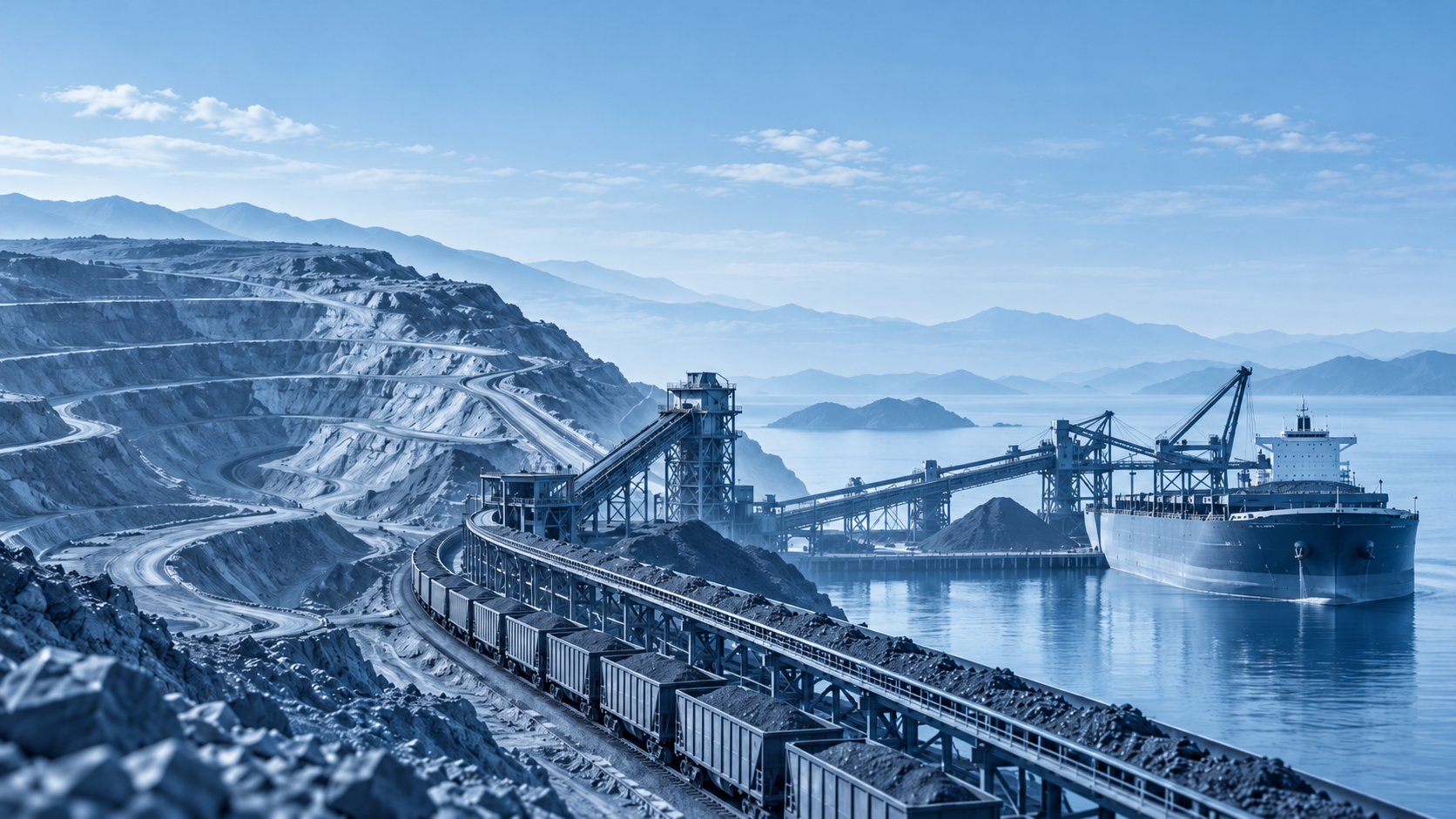
Brazil’s National Policy for Critical and Strategic Minerals, established in September, could mark a new chapter in this shift. A legal analysis by Brazilian law firm BMA Advogados highlights the possibility of including iron ore under the new regulatory framework, given its importance to the country’s trade balance. According to the firm, preliminary discussions with government officials suggest that the proposal is under consideration. Iron ore had already been recognized as a strategic mineral under a federal policy adopted in 2021, but the new framework offers a broader range of instruments to support financing, domestic processing and coordination across mineral supply chains.
The shift comes in an international environment markedly different from the one that shaped Vale’s privatization. The United States has strengthened industrial security policies and moved to protect critical supply chains. The European Union has established targets to reduce its dependence on foreign supplies of strategic raw materials. China has long used its industrial scale and dominance in mineral processing as sources of competitive advantage. Global supply chains are being reorganized around national interests. Free trade remains important, but fewer governments are willing to leave essential resources and technologies entirely to market forces.
For Brazil, this transformation presents an opportunity. The country holds some of the world’s largest mineral reserves, yet much of the economic value associated with those resources is captured through industrial processes carried out abroad. Iron ore is a particularly relevant example: it generates substantial export revenue for Brazil while supplying steelmaking and industrial value chains that are vital to other economies. Recognizing its strategic importance does not mean closing borders, restricting foreign investment or replacing private companies with state ownership. Rather, it means understanding that a privileged position in the global supply of raw materials can be leveraged to attract technology, diversify markets and encourage higher-value industrial activities at home.
There are, of course, risks. Classifying a resource as strategic does not automatically increase its international price or guarantee the development of competitive domestic industries. Brazil’s mining sector depends on private capital, regulatory predictability, infrastructure and access to global markets. Excessive requirements could discourage precisely the investment needed to turn the country’s geological wealth into lasting economic prosperity. The policy will succeed only if incentives for processing, research and innovation deliver genuine productivity gains rather than additional layers of bureaucracy. Economic sovereignty should not be confused with self-sufficiency, much less isolation. For investors, a key unanswered question is how such a policy might affect companies such as Vale, including their capital allocation decisions and ability to maintain shareholder dividends.
Brazil’s new mineral policy could signal the beginning of a new era. The country does not have to choose between a competitive, privately operated mining industry integrated into global markets and a national strategy for its natural resources. At a time when major powers are increasingly protecting their own interests, the challenge is not to turn away from globalization, but to ensure that Brazil’s strategic wealth translates into domestic development and greater economic influence.


Leave a Reply