
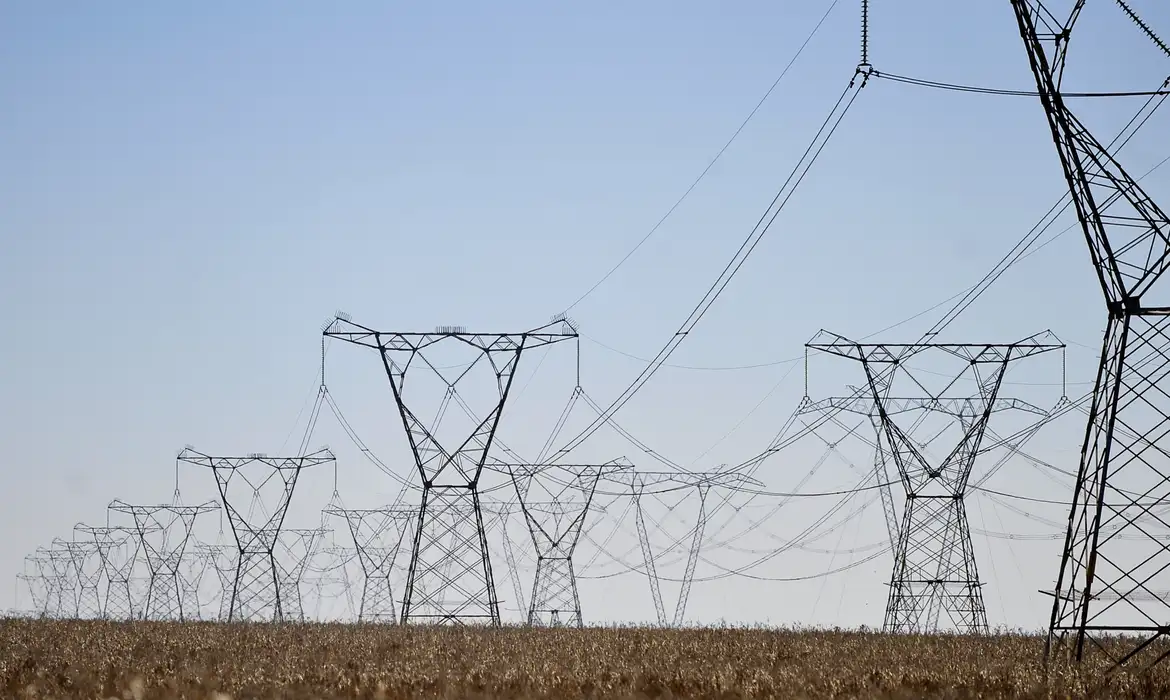
By Brazil Stock Guide – Brazil’s National Electric System Operator (ONS) said it expects R$28.1 billion ($5.7 billion) in investments in electricity transmission projects through 2030, as the country prepares its power grid for rising demand and the rapid expansion of renewable generation.
The figures were released Tuesday (16) with the publication of the 2025 edition of the Medium-Term Electric Operation Plan (PAR/PEL), which sets out operational planning for the National Interconnected System (SIN) from 2026 to 2030. According to the plan, R$22.7 billion of the total refers to projects identified for the first time, underscoring the scale of new infrastructure required.
The investment package includes the construction of about 5,301 kilometers of new transmission lines and an increase of 24,314 megavolt-amperes (MVA) in substation transformation capacity. These projects would expand the transmission network by roughly 3% and raise the installed transformer capacity of the Basic Grid and Border Basic Grid by 5.7% compared with current levels.
ONS projects that peak electricity demand in the SIN will reach about 129 gigawatts (GW) by 2030, representing a 17% increase from the peak recorded in 2025. Over the same period, total installed capacity is expected to rise to 269 GW, driven largely by renewable sources. The plan estimates that around 60 GW will come from centralized wind and solar power plants.
The report also highlights the need to strengthen energy exchanges between regional subsystems. The capacity for the southern region to receive power from the Southeast/Central-West is projected to grow by about 20% by 2030. Meanwhile, interchange capacity between the Southeast/Central-West and the North and Northeast is expected to increase by roughly 25%, contingent on new transmission projects scheduled to enter operation in July 2030.
In total, the PAR/PEL 2025 tracks 480 priority projects deemed critical to ensuring the security and reliability of system operations over the medium term. Among the challenges identified are the expected rise in curtailment of wind and solar generation, requiring closer alignment between supply expansion and grid absorption capacity, as well as the growing impact of distributed generation on operational security.
The PAR/PEL serves as ONS’s main tool for assessing the future performance of Brazil’s power system over a five-year horizon, defining the transmission works needed to meet demand growth, integrate new generation and maintain reliability standards.




Leave a Reply