
By Rodrigo Uchoa, special for Brazil Stock Guide
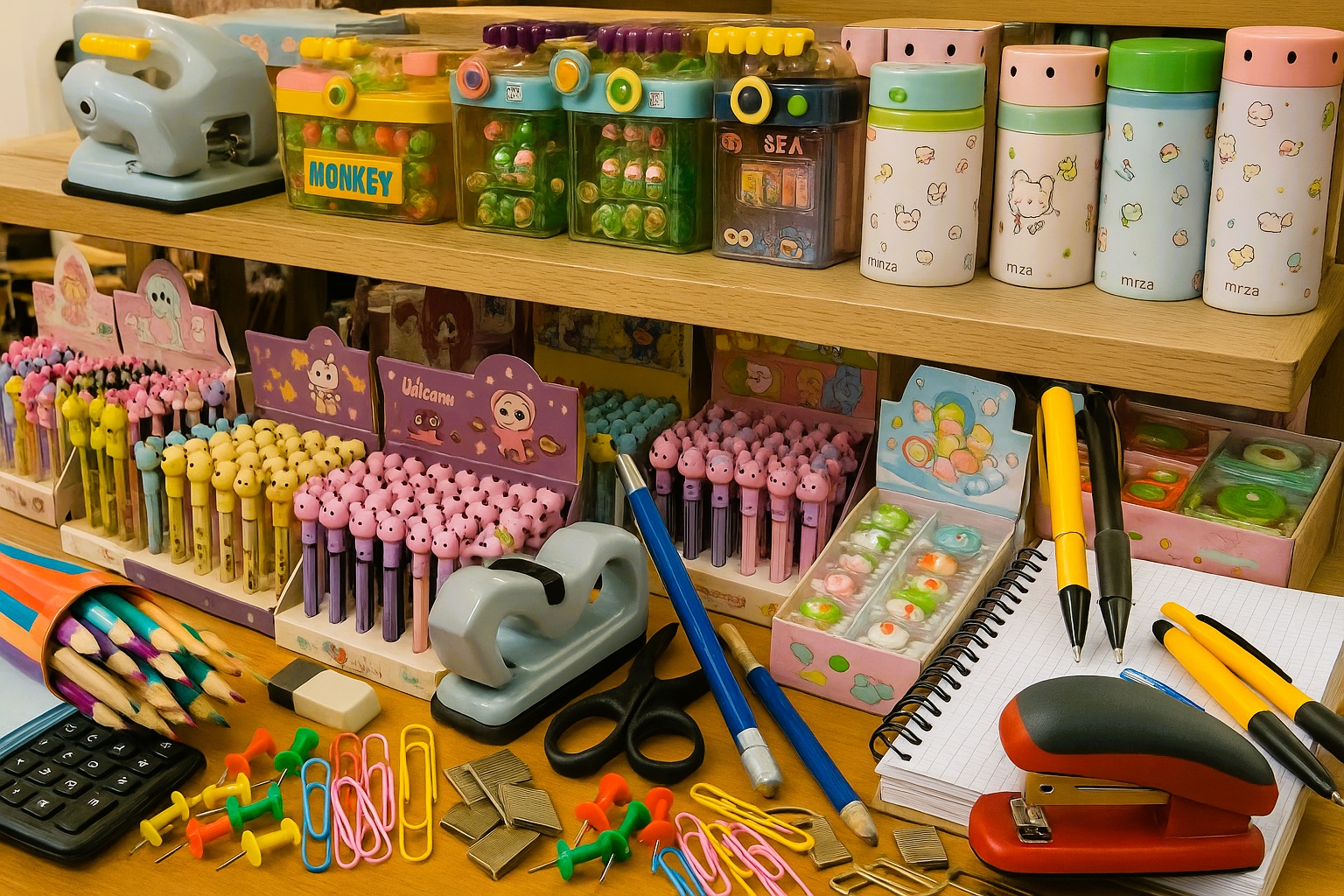
On a humid Saturday in São Paulo’s Liberdade district, the lines aren’t forming for ramen. They wind into cramped basements and second-floor corridors lined with pastel notebooks, washi tape and fountain pens the color of sakura petals. Teenagers in oversize hoodies record “stationery hauls” on their phones, then put them away to run fingertips over toothy, cream-colored paper. Shelves groan under dotted journals, manga-themed planners, German technical pencils and Korean scented highlighters. What used to be a niche in Japanese bookshops has expanded into dedicated boutiques: part anime shrine, part temple of analog order.
The scene would surprise anyone assuming Gen Z has no time for paper. Yet Liberdade’s stationery shops are packed most weekends, with customers mostly under 30. The same pattern is visible in Tokyo’s backstreets, Seoul’s study cafés, Berlin concept stores and shopping malls across the American Midwest. A generation that lives online is investing heavily in objects designed for offline life.

The wider stationery market was valued at about US$117 billion in 2024 and is projected to reach nearly US$180 billion by 2034. “Social stationery” is growing even faster, expected to almost double from US$11.1 billion to more than US$20 billion. Luxury writing instruments, while a smaller segment, continue to expand; the high-end pen market was worth roughly US$3 billion in 2023 and remains on an upward curve.
Consultancies call the trend “stationerycore.” In the U.S. and U.K., young shoppers are driving demand for aesthetic notebooks, pastel gel pens and custom stickers often discovered on TikTok and Instagram. Analog tools are becoming lifestyle accessories—a way to curate identity physically rather than only digitally.
Traditional manufacturers that once feared a “paperless office” are repositioning. German and Japanese pen makers are releasing limited-edition models with iridescent resins and manga-inspired packaging. European notebook brands are offering bullet-journal-friendly grids and heavyweight paper that resists bleed-through. In Asia-Pacific, now the largest stationery market thanks to rising incomes and growing student populations, companies are merging high-tech production with retro design.

Fairs and pen shows, once catering mainly to older collectors, are now being redesigned for younger audiences. The Empire State Pen Show, launched in 2025 in Midtown Manhattan, features more than 100 vendors and tables full of nibs, inks, washi tape, stickers and notebooks. A Bloomberg report noted that pen collecting has become increasingly popular among people in their 20s and 30s, not just retirees with a soft spot for Montblanc.
Other fairs, from Chicago to Tokyo, follow the trend with exclusive ink colors and playful collaborations designed for social-media virality: shimmering teal inks inspired by viral memes, or pocket-sized fountain pens in candy-colored acrylics perfect for bullet journals. Manufacturers treat these events as live focus groups. What a Gen-Z visitor photographs—a translucent Pelikan or a graphite-grey mechanical pencil—often shapes the next year’s catalog.
What Young Buyers Want
Younger consumers are searching for writing tools with stories. Japanese multi-pens offering four ink colors in one barrel promise efficiency during exams. German mechanical pencils, inspired by engineering tools, are valued for their knurled grips and precise mechanisms. High-end fountain pens—from classic Parker 51 reissues to limited Pelikan and Pilot editions—are used for annotating books and maintaining reading logs, not just signing documents.
Paper matters just as much. Dotted or grid notebooks encourage organized lists, while thick, off-white pages prevent bleed-through and photograph cleanly for social media. The notebook market alone is expected to approach US$90 billion by 2030, helped by demand for premium and sustainably sourced paper.

Accessories complete the ecosystem: anime-themed stickers, rubber stamps, translucent sticky notes. Scented pens and erasers, once elementary-school staples, return in adult palettes as nostalgic items. Desk calendars and planners now include habit trackers, mood logs and sticker sheets for marking workouts or “no-scroll” evenings. Entire walls in Liberdade are filled with these micro-indulgences—small purchases that deliver quick hits of control and creativity.
The Pragmatic Turn Toward Slowness
Beyond the aesthetic appeal, there is a practical dimension. Students say handwritten notes help them focus. Junior bankers rely on paper planners to escape notification overload. Therapists recommend journaling, and productivity experts advocate “one notebook, no distractions.” In an always-connected world, slowing down has become a luxury.
Predictions about the death of pens and paper now look premature. The stationery industry isn’t just surviving the digital era—it’s feeding off it, converting online anxiety into offline sales. The image of a teenager in Liberdade selecting a German fountain pen to annotate a Korean planner about a day spent on TikTok captures the paradox perfectly. For Gen Z, the future is hybrid: one hand on the smartphone, the other uncapping a pen.






Leave a Reply