By Brazil Stock Guide – The European Union may revise the allocation of steel import quotas in a way that could benefit Brazilian exporters, while Brazilian poultry and honey shipments to the bloc could resume in the short term after remaining regulatory procedures are completed.
Brazil is also seeking an accelerated authorization process for beef exports to the EU following what European officials described as a positive audit conducted in the country in recent weeks. The steel quota review process is expected to include additional stages in 2027.
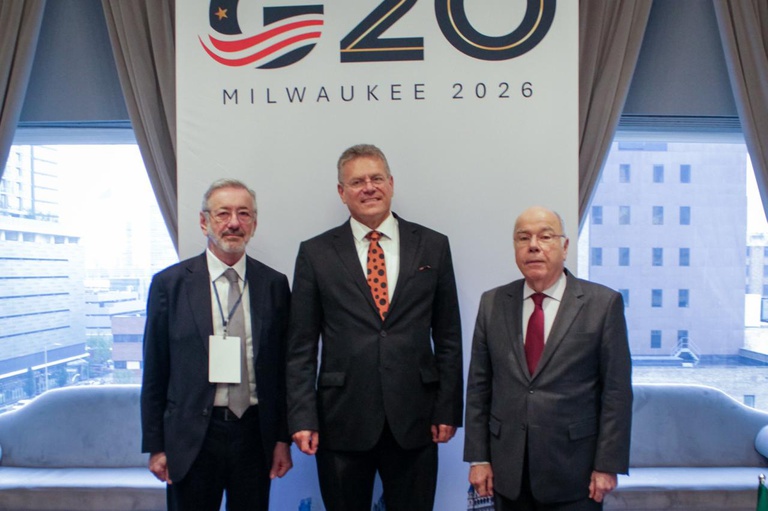
The issues were discussed Wednesday by Foreign Minister Mauro Vieira and Development, Industry, Trade and Services Minister Márcio Elias Rosa with European Commissioner for Trade and Economic Security Maroš Šefčovič on the sidelines of the G20 trade ministers’ meeting in Milwaukee.
Brazilian and European officials also discussed trade flows following the entry into force of the Mercosur-EU agreement in May.
Steel Quotas
European officials told their Brazilian counterparts that a review of the allocation of steel-product quotas is underway and could have a positive impact on Brazil.
The statement did not specify which Brazilian products could gain additional access or how much export volumes might change. Further stages of the process are expected in 2027.
Poultry, Honey and Beef
The EU cited the positive outcome of a recent audit in Brazil related to the use of antimicrobials in agricultural products.
European officials said Brazilian poultry and honey exports could resume in the short term once administrative procedures are completed.
Brazil asked for an accelerated authorization process to be extended to beef exports. The statement did not set a timetable or indicate that Brazilian beef had already been cleared for shipment to the bloc.
Minerva Eyes Japan Through Argentina
Separately, Minerva SA (BEEF3) said Japan and Argentina reached an agreement on sanitary conditions for imports of boneless, matured beef and related products from northern Argentina.
Minerva operates six slaughter plants in Argentina with combined capacity of 5,978 cattle per day. The company said the agreement could expand the range of export destinations available to its Argentine operations.
The company already accesses the Japanese market through its plants in Uruguay. Exports from Argentina will still depend on inspections and approval of individual facilities by Japanese authorities.
Japan has about 123 million inhabitants and was the world’s third-largest beef importer in 2025, importing roughly 695,000 metric tons, according to USDA data cited by Minerva.


Leave a Reply