

By Brazil Stock Guide – Edge, a Brazilian natural-gas trader backed by Cosan, signed a supply contract with consumer-goods giant Unilever (UL) to deliver biomethane to the company’s soap-manufacturing facility in Valinhos, São Paulo. The companies announced the deal in official statements, noting that the move marks Edge’s expansion into the consumer-goods sector while supporting Unilever’s plan to eliminate Scope 1 and 2 emissions across its global operations by 2030.
The Valinhos plant produces Dove, Lux and Rexona soaps and will shift entirely to renewable energy with the biomethane supply. Unilever says the transition will avoid about 2,000 tons of CO₂ emissions per year, making the factory the first in Brazil’s consumer-goods industry to adopt certified biomethane in the free-gas market. It also becomes the company’s fourth facility in the country powered exclusively by renewable sources.
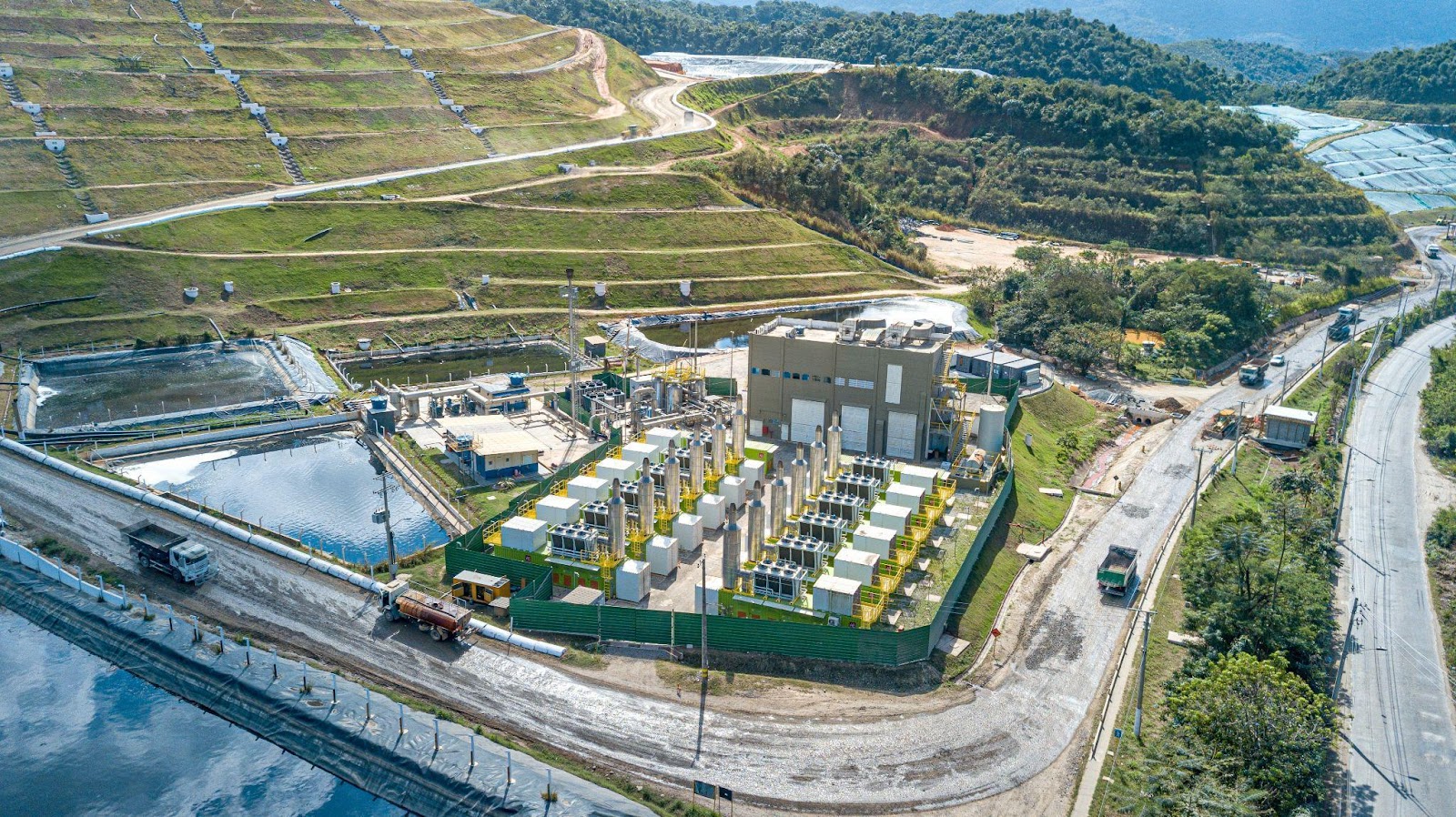
Edge will supply the fuel from what it says is Brazil’s largest biomethane purification complex, located in Paulínia. The project received R$450 million in investment and can process 225,000 cubic meters of biomethane per day from a controlled landfill. The company already provides the renewable gas to customers in sectors including ceramics, petrochemicals, mining, construction, glass and pulp.
“This contract represents another important strategic step for Edge,” CEO Demétrio Magalhães said. “Supporting Unilever’s decarbonization journey is fully aligned with our purpose of boosting Brazil’s reindustrialization with sustainable solutions. Biomethane is consolidating itself as a key alternative for the future of energy.”
For Unilever, the deal reinforces its push toward a low-carbon supply chain. “The partnership with Edge allows us to operate safely and continuously while developing the market for certified biomethane in Brazil,” said Renato Fontana, director of the Valinhos plant. “It is a sustainable and innovative solution to advance the decarbonization of our production chain and reduce environmental impacts from landfills.”
Biomethane is produced by purifying biogas from decomposing organic waste in controlled landfills and meets the specifications of Brazil’s ANP regulator. Its chemical properties make it interchangeable with natural gas for industrial, commercial, residential and transport uses.



Leave a Reply