
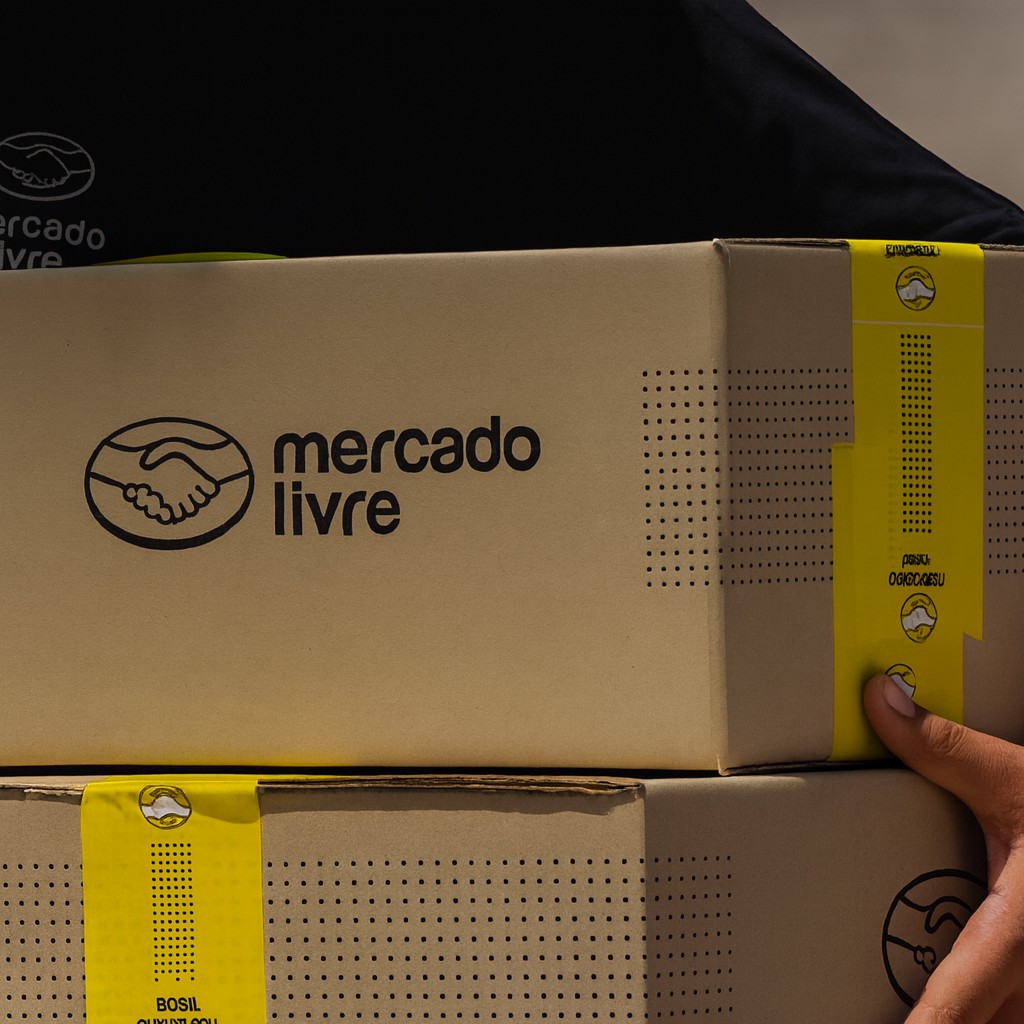
By Brazil Stock Guide – Mercado Livre (MELI) continues to push forward with its strategy to expand into the online pharmacy space, affirming that it has no plans to vertically integrate into the sector. Speaking in a press conference on October 9, Fernando Yunes, CEO of Mercado Livre’s Brazilian operations, strongly denied rumors that the company sought to compete directly with traditional pharmacies.
“Some reports claim that Mercado Livre wants to vertically integrate and compete with pharmacies. That’s false. We want to be a marketplace because that’s in our DNA. We don’t want to open a chain of pharmacies,” Yunes said, according to Valor Econômico.
This statement comes amid growing speculation sparked by the company’s recent acquisition of a pharmacy in the southern part of São Paulo, which was previously owned by digital health platform Memed. The Brazilian Association of Pharmacies and Drugstores (Abrafarma) voiced concerns, interpreting the move as a sign that Mercado Livre might disregard the sector’s regulations and enter the pharmaceutical retail market.
However, Mercado Livre executives explained that the acquisition is part of a strategy to test the logistics of distributing medications, not an attempt to enter the pharmacy business. They also clarified that the company does not provide telemedicine services directly, as suggested by some reports, but through partners on the Mercado Pago platform.
Brazil’s regulatory environment remains a significant challenge for the sale of pharmaceuticals through online marketplaces. The current regulations, including the 2009 Resolution from Brazil’s National Health Surveillance Agency (ANVISA), do not accommodate online drug sales in marketplaces. In response, Yunes argued for an update to the regulations, pointing out that outdated provisions still allow for the purchase of medications via fax. “The potential market for online drug sales is currently worth R$ 200 billion, and this could grow significantly with our entry,” Yunes said, citing the success of similar models in markets like the U.S., China, and parts of the European Union.
Mercado Livre’s push into the pharmaceutical sector is not limited to Brazil. The company is also expanding its pharmacy marketplace operations in other Latin American countries, including Mexico, Argentina, Colombia, and Chile. If regulatory changes do not allow for third-party (3P) pharmaceutical sales in Brazil, Mercado Livre is evaluating alternative strategies for entering the sector. Yunes emphasized the importance of democratizing access to medications, an area where the company sees substantial untapped potential.
Leave a Reply