
By Brazil Stock Guide – Brazil’s state-owned utility Companhia Energética de Minas Gerais, known as Cemig (NYSE: CIG; B3: CMIG3, CMIG4), said it has identified at least ten locations that could receive autonomous microgrids, as the company tests a pilot project in the city of Serra da Saudade, in the state of Minas Gerais.
The initiative is aimed at strengthening grid resilience in areas where conventional network expansion is costly or technically challenging. Autonomous microgrids are designed to operate independently from the main transmission system, reducing outages and improving supply reliability.
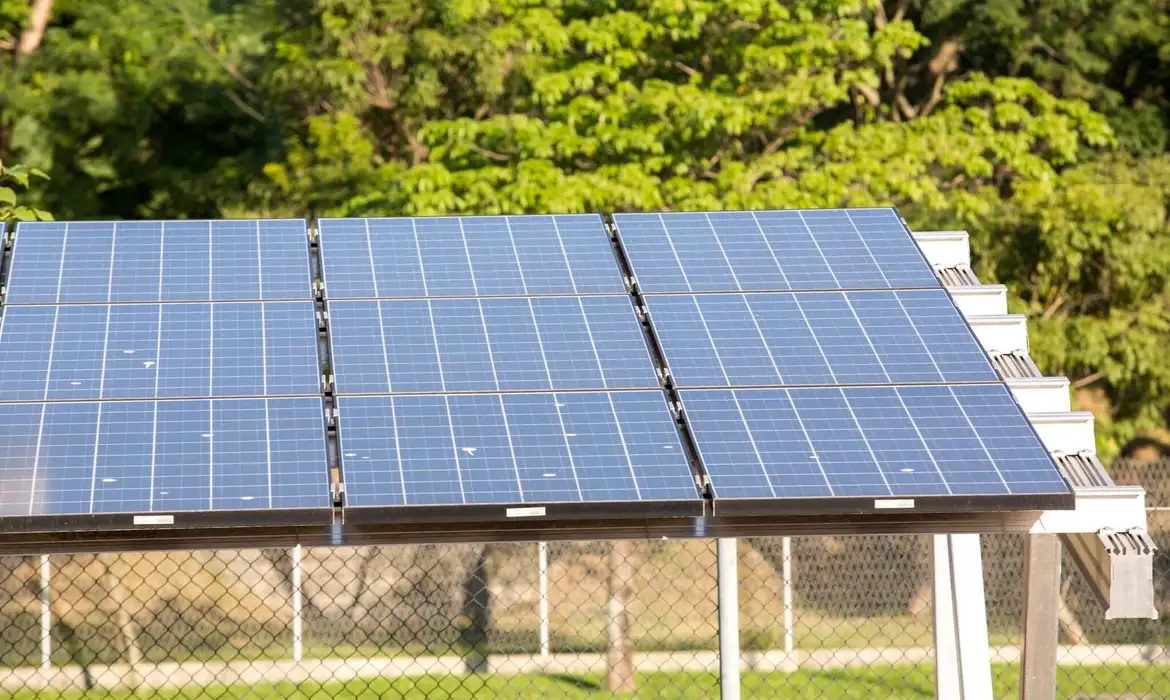
The pilot project was inaugurated on Thursday (15) in Serra da Saudade, Brazil’s smallest municipality by population. Cemig invested about 7 million reais in the project, which combines dedicated solar generation, battery storage, smart metering and grid automation.
According to Cemig, the project offers a faster and more efficient alternative to traditional infrastructure works. At the inauguration ceremony, Cemig’s chief executive officer, Reynaldo Passanezi Filho, highlighted both operational and tariff-related benefits. “Serra da Saudade was selected after a detailed feasibility study showed that a microgrid was the best solution to ensure safety, reduce interruptions and guarantee supply resilience. Instead of an expensive and time-consuming project, we delivered a technical alternative that is quick to deploy and highly efficient for the population,” he said.
While the company confirmed that at least ten sites have already been mapped, it did not disclose their locations. Priority will be given to regions with higher supply vulnerability and where building conventional infrastructure would be less economical.
From a technical standpoint, the system installed in Serra da Saudade has storage capacity of two megawatt-hours. Solar panels feed electricity into a battery bank rather than directly into the traditional grid. In the event of a failure in the main network, the system can supply the city’s full electricity demand for up to 48 hours.
Cemig said the battery system also improves power quality by reducing disturbances and keeping voltage within regulatory limits. The project includes smart meters in homes and commercial buildings, enabling network automation and energy-efficiency measures. Public lighting in the municipality was also upgraded.
The storage system is connected to Cemig’s operations center, allowing real-time monitoring of the microgrid and performance assessment. The results will be used to evaluate a broader rollout of the model across other regions.





Leave a Reply