
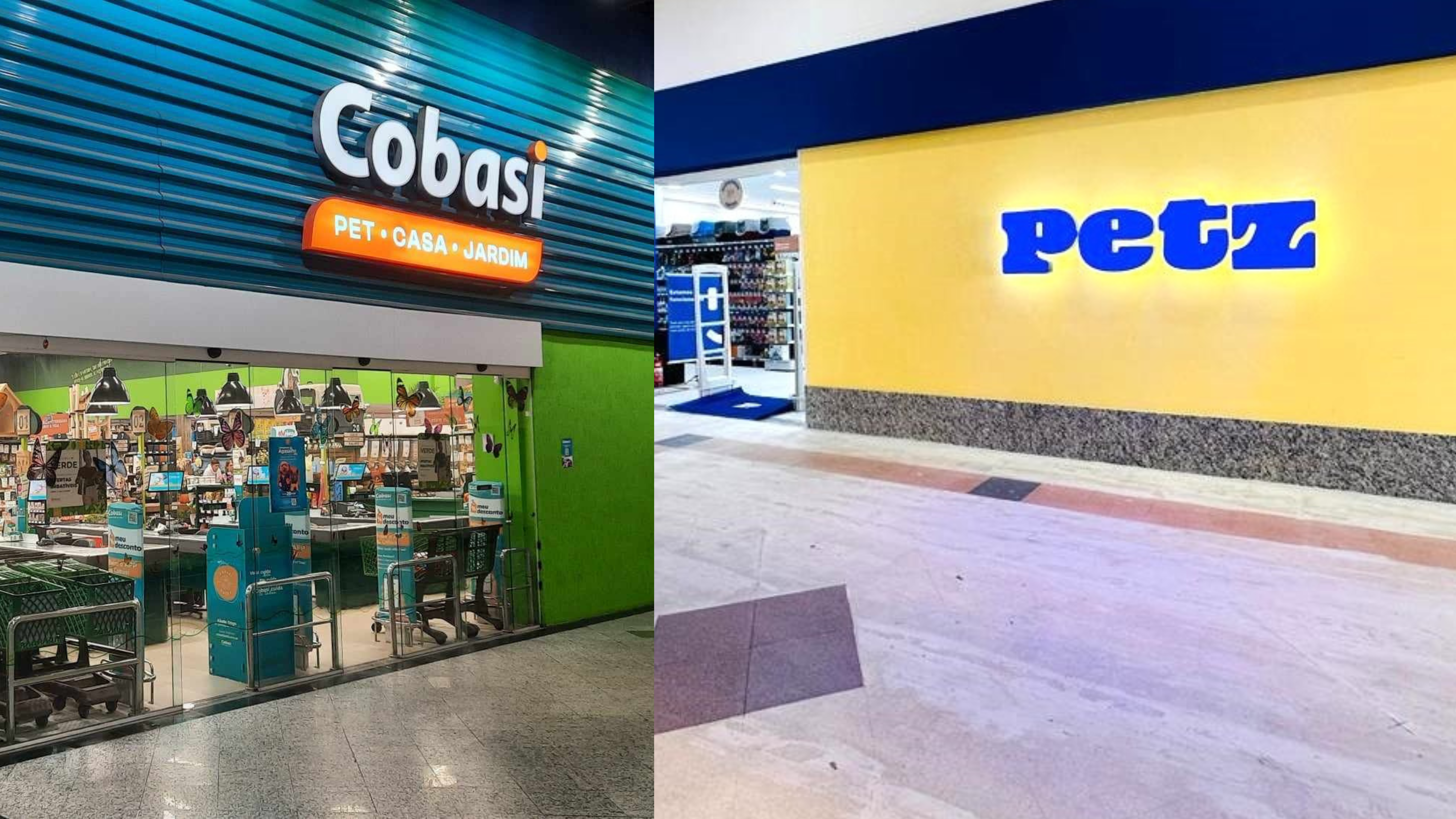
By Brazil Stock Guide – Brazil’s antitrust authority, the Conselho Administrativo de Defesa Econômica, approved the merger between Petz (B3: PETZ3) and Cobasi on Wednesday (Dec. 10), conditioning its clearance on the mandatory sale of 26 stores in the state of São Paulo to curb excessive local market concentration. The divestments represent 3.3% of the combined group’s revenue over the last 12 months to 3Q25 and about 6.5% of the total physical store base, given that the two chains together operate around 400 stores nationwide.
The remedies were formalized through a Concentration Control Agreement (ACC) that preserves the original economic and strategic terms of the transaction while imposing structural and behavioral commitments in metropolitan areas where overlaps were deemed most sensitive. São Paulo, Brazil’s largest and most competitive pet-retail market, became the focal point of the regulator’s intervention.
In a joint statement following the ruling, the companies said the technical assessment by the authority concluded that the transaction preserves and stimulates free competition, generating direct benefits for consumers, suppliers and the broader pet-care chain. They added that the merger strengthens investment capacity, boosts operational efficiency, and creates a more resilient platform for nationwide expansion.
The divestment package is viewed by analysts as limited relative to the scale of the transaction and unlikely to materially affect projected synergies. Even after the sale of the 26 São Paulo stores, the combined group will retain more than 370 outlets, alongside rapidly expanding digital channels, private-label sourcing and veterinary service platforms — now central to margin expansion in the sector.
Once completed, the deal will create Brazil’s largest specialized pet-retail operator, with about R$7 billion in expected annual revenue in a market estimated at R$80 billion a year. Growth has been driven by rising pet ownership, premium food and accessory categories, and the increasing recurrence of services such as diagnostics, grooming and pharmaceutical sales.
Petz said the closing of the transaction remains subject to the verification — or waiver — of outstanding suspensive conditions by the boards of both companies, as well as the formal occurrence of the Closing Date. Further disclosures, including the detailed implementation schedule for the São Paulo divestments and the legal completion of the merger, will be released under Brazil’s corporate-disclosure rules.
Regulatory backdrop
The case became the most complex retail review handled by Brazil’s antitrust system in 2025 after an appeal by Petlove overturned the authority’s initial technical clearance. The challenge pushed the merger into the tribunal phase and transformed it into a defining test for how Brazil’s competition policy treats omnichannel retail.
Reporting commissioner José Levi Mello do Amaral Jr. reopened the investigation, ordered additional fact-finding, reviewed new economic studies and convened a public hearing. Throughout the process, commissioners acknowledged that the court had not reached a unified view on how to define the relevant market, raising uncertainty over the final outcome.
Petz and Cobasi argued that competitive pressure today is no longer shaped primarily by rivalry between megastores, but by the explosive growth of digital marketplaces such as Amazon, Mercado Livre, Shopee and Magalu. These platforms now dominate Brazil’s e-commerce and have rapidly expanded into pet products through aggressive pricing, free shipping and nationwide logistics.
According to data submitted in the proceedings, Petz, Cobasi and Petlove together account for just over 10% of Brazil’s overall pet market, while neighborhood pet shops still capture close to half of total sector revenue. Independent studies referenced by the tribunal indicate that megastores represent a single-digit share of the national market, reinforcing the argument that concentration remains structurally low at the aggregate level.
Market tests conducted by the authority’s technical units showed limited direct rivalry between the two chains. Price changes by one did not consistently trigger reactions by the other, with demand instead diverting mainly toward third parties, especially marketplaces and regional operators — weakening the hypothesis of a tight duopoly.
Petlove advanced the opposing thesis, arguing that megastores form a distinct competitive arena defined by broad assortment, premium products and integrated services such as grooming and veterinary care. In that narrower framework, local overlaps between Petz and Cobasi could generate excessive concentration. The tribunal ultimately leaned toward the broader, omnichannel view — a precedent that is likely to shape future consolidation in Brazil’s proximity-based retail sectors.





Leave a Reply