
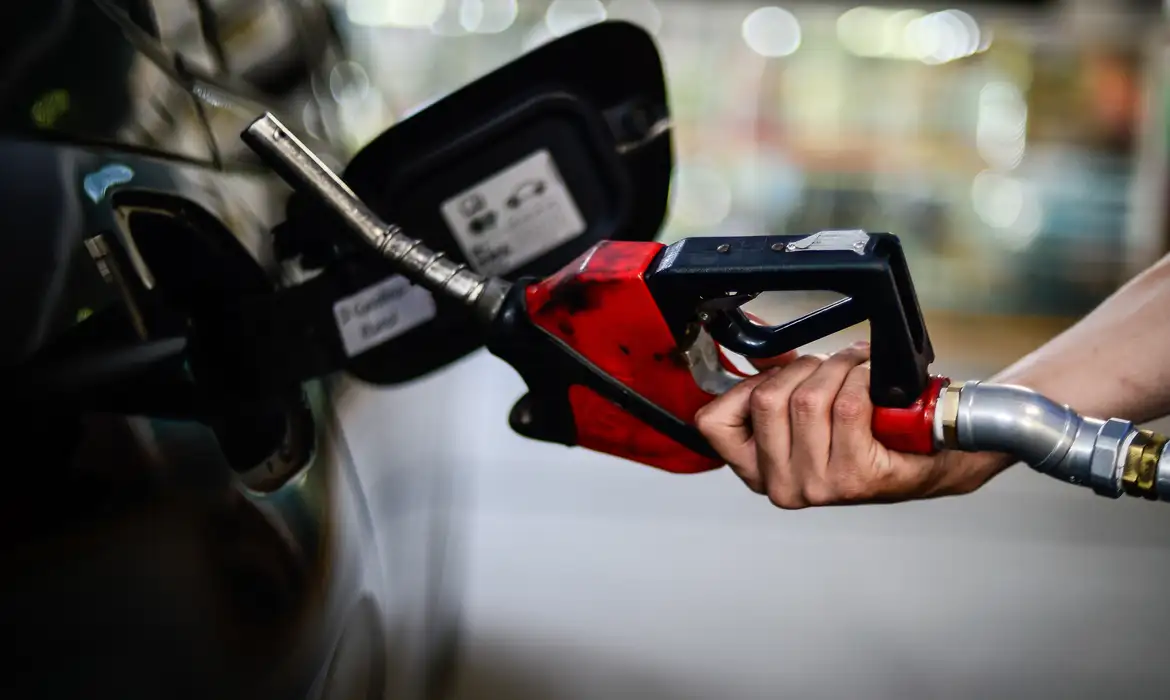
By Brazil Stock Guide – Brazil’s National Energy Policy Council, known as CNPE, is expected to decide on Tuesday (14) whether to increase the mandatory ethanol blend in gasoline to 32% from 30%, a move sought by the country’s biofuels industry as the government reassesses fuel subsidies.
The meeting was confirmed by Lower House Speaker Hugo Motta, who said the timetable was agreed with Planning Minister Bruno Moretti and Mines and Energy Minister Alexandre Silveira, which first reported the remarks.
“After speaking with Planning Minister Bruno Moretti and Mines and Energy Minister Alexandre Silveira, we agreed that CNPE will meet next Tuesday (14) to deliberate on increasing the ethanol share in gasoline from 30% to 32%,” Motta wrote on social media.
The proposed change comes as ethanol producers press for measures to restore the competitiveness of biofuels after temporary incentives for gasoline narrowed the price gap between fossil fuel and ethanol at the pump. The sector argues that a higher mandatory blend would support domestic production and reduce the impact of policies that have favored gasoline consumption.
Motta also said the federal government remains committed to phasing out the gasoline subsidy, but needs more time to monitor volatility in international oil prices after renewed tensions involving Iran pushed crude higher.
“Regarding the fuel PLP, the federal government remains committed to removing the subsidy being granted to gasoline, needing only a little more time to wait for price stabilization resulting from the conflict in Iran,” Motta said.
His remarks followed signals to party leaders that he could bring Complementary Bill 114/2026 to a vote if the government failed to move ahead with ending fuel incentives. The bill, sent to Congress in April by the executive branch, was designed to allow extraordinary revenue from higher oil prices to offset lost tax income from lower levies on gasoline, diesel, biodiesel and ethanol. Its vote was delayed after lawmakers added amendments that increased the proposal’s fiscal cost.
The government began reducing fuel subsidies in late June, ending a 0.35-real-per-liter subsidy for diesel. Officials had expected to move quickly on gasoline, but the recent rise in oil prices complicated the schedule.
Finance Ministry official Dario Durigan said Thursday that the government had decided to proceed cautiously to avoid adding pressure on consumers.
“Yesterday, Wednesday, the oil price rose to $80. So we have to be cautious in removing subsidies. We removed it from diesel, and this week we were going to announce the removal for gasoline. I will review the removal next week, because gasoline prices are already seeing a different impact from what I had expected. Next week, what I would like to do is remove the gasoline subsidy, partially or totally, as the next step,” Durigan said in an interview with Rádio Gaúcha.
The government is now expected to track international oil prices in the coming days before deciding whether to withdraw the gasoline subsidy in full or in part, while CNPE considers the higher ethanol blend.


Leave a Reply