
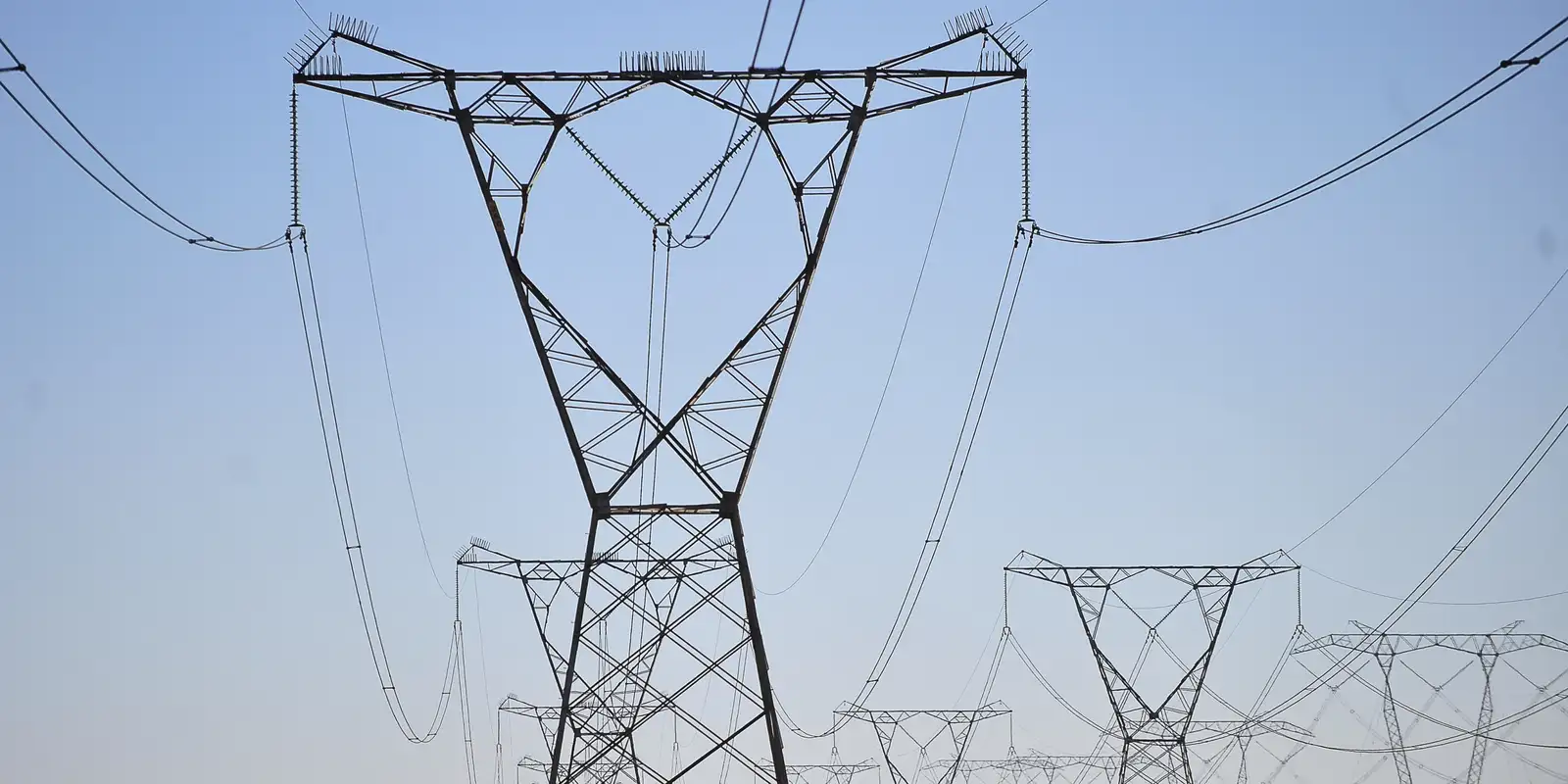
By Brazil Stock Guide – Brazil will start 2026 without additional charges on electricity bills after the national power regulator set the green tariff flag for January, signaling lower generation costs and favorable supply conditions. The decision offers short-term relief for households and businesses and reflects improved fundamentals in the country’s power system.
The decision was announced by Agência Nacional de Energia Elétrica (Aneel), Brazil’s independent electricity regulator responsible for tariff-setting, sector oversight and the financial balance of power utilities. A green flag means distributors will not apply any surcharge to consumer bills, indicating that prevailing generation costs can be absorbed within regulated tariffs
According to the regulator, the decision was driven by stable reservoir levels at hydroelectric plants, despite rainfall remaining below long-term historical averages during Brazil’s wet season. Rainfall in November and December was sufficient to prevent a sharp deterioration in water storage, allowing the system operator to reduce the dispatch of more expensive thermoelectric power plants in January. Lower thermal generation directly translates into lower system costs and eliminates the need for additional charges on consumer tariffs.
Brazil’s tariff flag system was introduced in 2015 to make electricity pricing more transparent and responsive to real-time generation costs. Under the framework, green signals normal conditions, while yellow and red flags indicate rising costs due to factors such as droughts or increased use of fossil-fuel plants. Since its introduction, the mechanism has helped reduce financial stress in the power sector by cutting the need for short-term borrowing, with avoided interest costs estimated at about R$12.9 billion.


Leave a Reply