
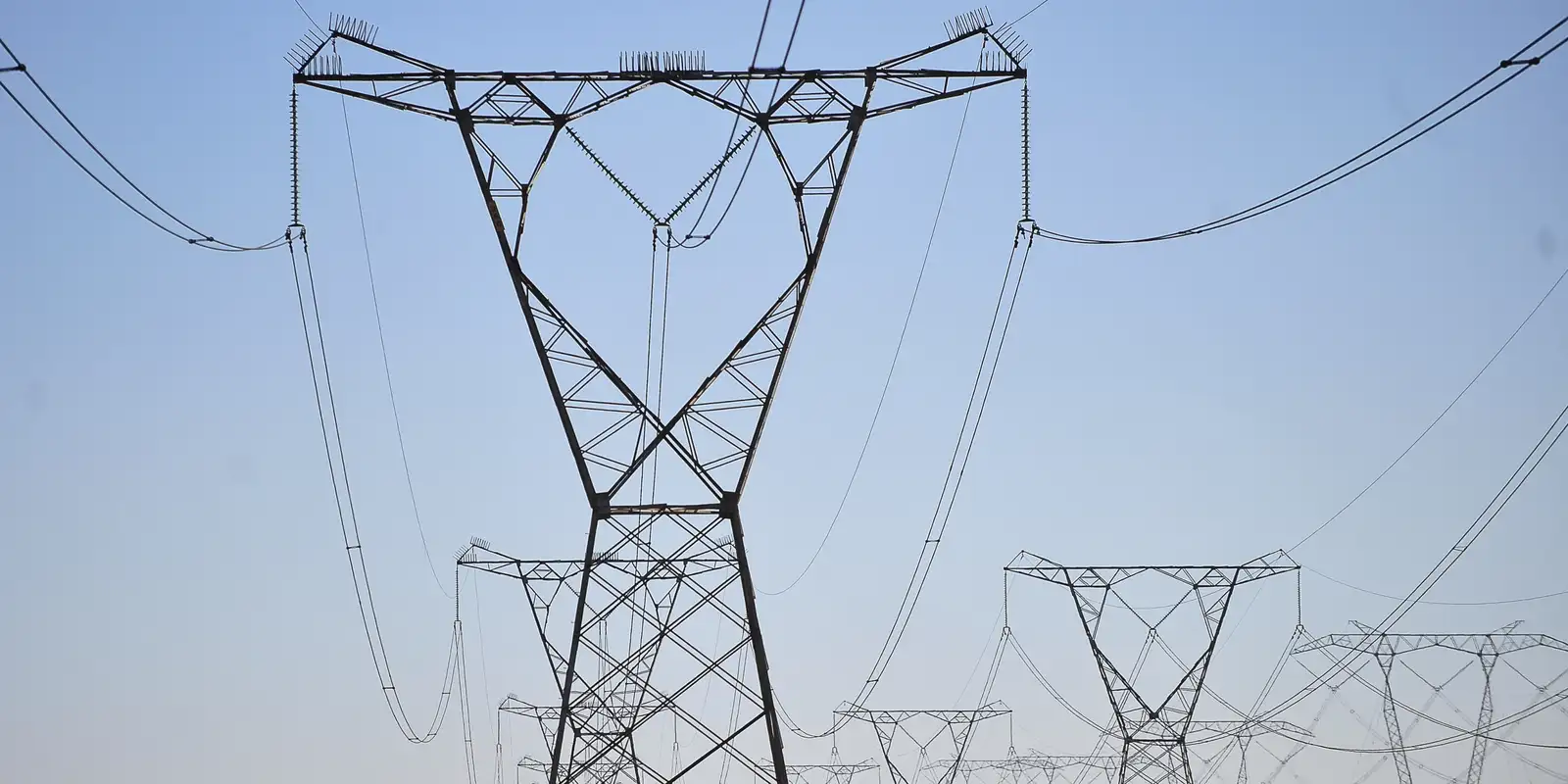
By Brazil Stock Guide – In a rare display of legislative speed, Brazil’s Congress approved both chambers’ votes on the same day, passing the Provisional Measure 1,304/2025 — the most sweeping overhaul of the nation’s energy rules in two decades. The Chamber of Deputies adopted the text on Thursday afternoon, and the Federal Senate approved it within hours. The bill now heads to President Lula da Silva for sanction.
The reform opens the power market to all consumers by 2028, caps subsidy growth through the Energy Development Account (CDE), and redefines the oil royalty formula based on international reference prices. It also incorporates provisions from MP 1300/2025, expanding the Social Electricity Tariff to grant free power bills to 4.5 million low-income households.
Market opening and transition timeline
The law grants all consumers — including households — the right to choose their electricity suppliers and preferred energy sources. Industrial and commercial clients will migrate to the free market in 2026, followed by residential users in 2027.
To ensure reliability, it creates a Supplier of Last Resort (SUI) under ANEEL’s supervision, with regulated tariffs and cost-sharing among free-market participants.
Deputy Fernando Coelho Filho, who chaired the joint committee, said the law gives distributors, the CCEE and ANEEL enough time to prepare.
“It allows a responsible market opening and gives Brazilian consumers, within 24 months, the chance to choose from whom they buy electricity,” he said.
Subsidy cap and fiscal realignment
The law limits the expansion of the Energy Development Account (CDE), which totals around R$ 50 billion in 2025, setting annual inflation-adjusted caps from 2027 onward. Any overspending must be financed by the beneficiary sectors, while social programs such as Luz para Todos remain exempt.
The bill also introduces a new oil royalty calculation based on international benchmark prices. According to RefinaBrasil, the change could raise government revenues by R$ 83 billion over the next decade, though oil producers warn it could distort pricing if local costs are ignored.
Distributed generation sparks pushback
One of the most contentious points involves distributed generation (DG). Lawmakers clashed over a R$ 20 per kWh fee for new small-scale producers that do not store energy.
Deputy Lafayette de Andrada (Republicanos–MG) warned that “it kills distributed generation from tomorrow onward.”
Microgenerators producing up to 70 kWh for self-consumption remain exempt, but opposition members say the charge could slow solar-rooftop adoption.
Coelho Filho defended the measure, stressing it safeguards existing rights: “You can argue whether the fee is too high or too low, but we’re not touching anyone already generating power today,” he said.
Energy mix and environmental contradictions
The law also extends coal-fired power contracts until 2040, ensuring minimum national-coal purchases — a move criticized by energy transition advocates.
Deputy Danilo Forte (União–CE) said setting state quotas for wind generation “makes no sense — you can’t force a state to have wind,” arguing the rule could stifle clean-energy investment in the northeast.
At the same time, the law grants retroactive compensation to wind and solar producers curtailed since September 2023, partially offsetting the grid’s inflexibility.
Next step
With both chambers approving the text in a single day, Bill 10/2025 now awaits presidential sanction. Once enacted, it will modernize Brazil’s energy regulation, liberalize retail power trading, and reshape fiscal frameworks tied to subsidies and oil royalties — transforming a market worth more than R$ 1 trillion.





Leave a Reply