
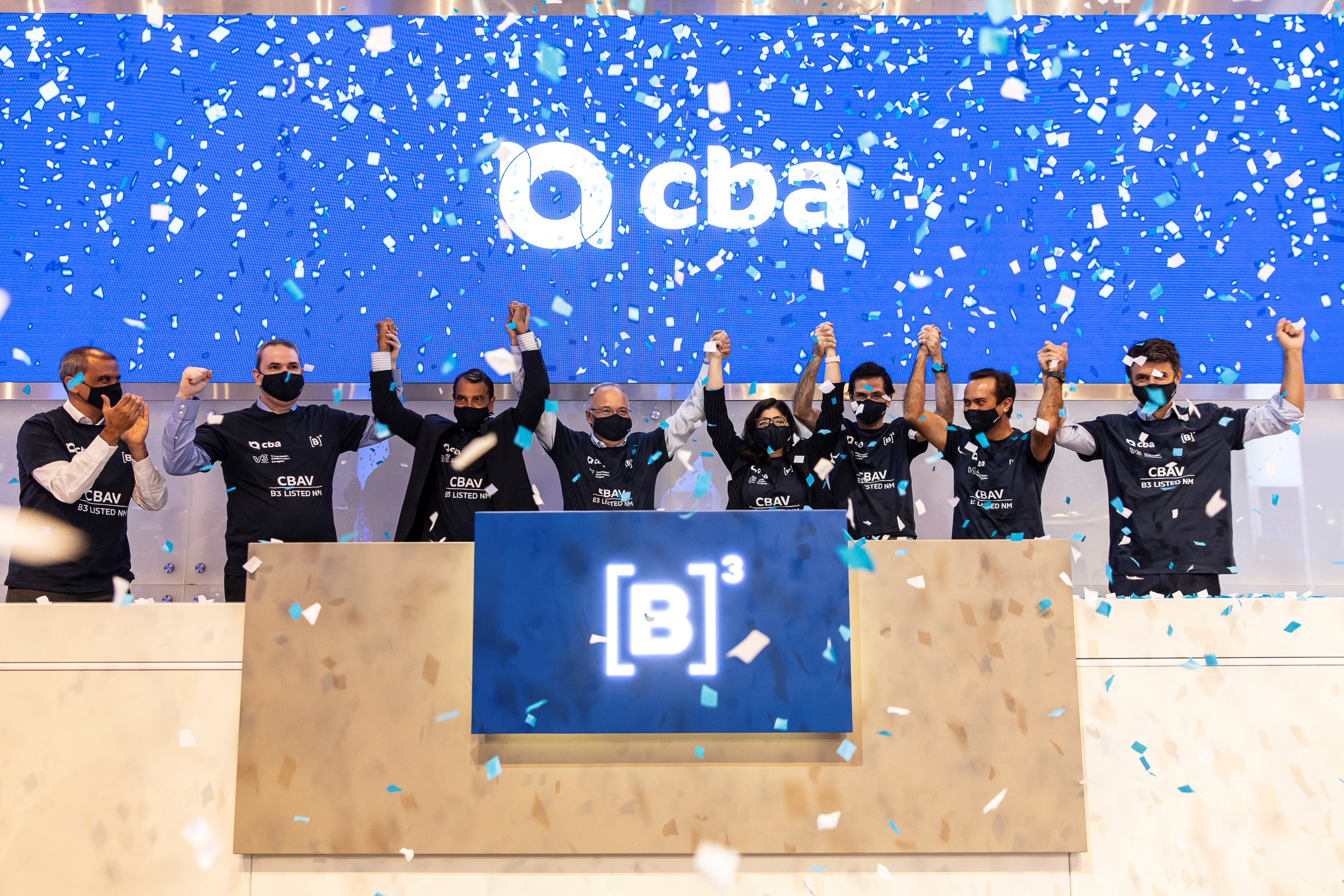
By Brazil Stock Guide – A potential share offering by Compass would arrive in a market still carrying the hangover from Brazil’s last IPO wave. B3 has not seen a meaningful new cycle of listings since 2021, when low interest rates, abundant global liquidity and investor appetite for growth brought companies such as Smart Fit, CBA, Desktop, Raízen, Oncoclínicas, Kora Saúde, Vittia, Getnet and Wilson Sons to the stock exchange.
Five years later, part of that generation has become a warning for investors. CBA’s control was sold by Votorantim to a joint venture formed by Chinalco and Rio Tinto. Desktop has just been acquired by Claro. Wilson Sons changed hands after its controlling stake was sold to MSC. Raízen, one of the largest IPOs of that cycle, entered an extrajudicial restructuring process to renegotiate about R$65.1 billion in financial debt. Oncoclínicas and Kora Saúde have also come under heavy balance-sheet pressure.
The 2021 Hangover
The list shows how unevenly the 2021 window has aged. Some companies continue to operate normally, including Smart Fit, Brisanet, Armac, Unifique, ClearSale, Vittia and Multi. But the broader picture has become less flattering. Several companies that came to market selling growth, sector consolidation and scale have since had to seek strategic buyers, renegotiate debt or face questions over financial sustainability.
This was not just a price correction. It was a regime change. A market that once rewarded expansion began demanding cash generation. The cost of capital rose, multiples compressed and investor patience for growth stories without strong balance sheets diminished.
The Compass Test
That is the backdrop against which Compass may try to reopen the window. Cosan’s gas and energy company offers a different story from most of the 2021 IPO class. Its main asset is Comgás, the regulated piped-gas distributor in São Paulo, with a more defensive profile, more predictable cash generation and exposure to infrastructure.
That helps separate Compass from much of the previous cohort. But it does not erase the problem. Investors will not assess only the asset. They will also assess the recent memory of B3 — and that memory is still shaped by expensive promises, short-lived liquidity and investment theses that had to be rewritten only a few years after listing.
A Harder Window
For Cosan, selling a stake in Compass would have a clear financial rationale: raising cash, recycling capital and easing pressure on the balance sheet without necessarily giving up control of a strategic asset.
For the market, the transaction would mean something more. If successful, it could show that Brazil can still attract demand for defensive, regulated companies with visible cash flow and a known controlling shareholder. If it fails, it would reinforce the perception that B3 remains closed to new listings.
Compass may be a stronger and more mature story than many companies that listed in 2021. But it will have to convince investors who learned a costly lesson: opening capital when the window is wide open is easy. Keeping the story alive after liquidity disappears is the real test.
Read More: Compass IPO Could Reopen Brazil’s Listings Market With Offering of Up to R$4.6 Billion







Leave a Reply