
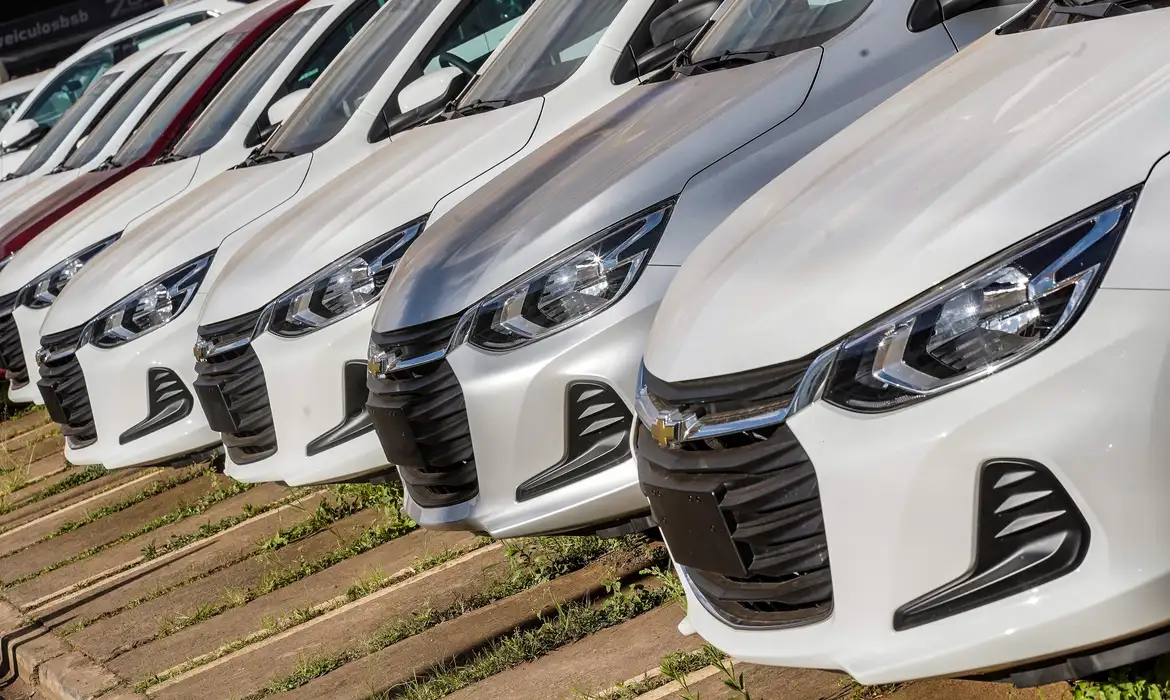
By Brazil Stock Guide – Brazil’s auto industry association raised its 2026 sales forecast after a stronger-than-expected first half, projecting that domestic vehicle registrations will exceed 3 million units for the first time in 12 years.
Anfavea said Wednesday that sales of cars, light commercial vehicles, trucks and buses are now expected to rise 11.7% from 2025, compared with a 2.7% expansion estimated in January. The revision reflects robust demand in Brazil’s domestic market, especially for passenger cars and light commercial vehicles.
The stronger sales outlook contrasts with a more moderate recovery in local production, as rising imports and falling exports limit the benefit for Brazilian factories. Anfavea now expects output to grow 5.8% this year, up from its previous forecast of 3.7%, reaching about 2.8 million vehicles — the best result since 2019.
The group’s president, Igor Calvet, said the sector welcomes the strength of domestic demand but remains concerned that part of the recovery is being absorbed by imported vehicles.
“On one hand, we are pleased with the strength of the national market and with this increase in production, which has been reflected in a slight rise in employment levels. On the other hand, we deeply regret that part of this recovery is being captured by imports encouraged by tariffs below the global average or by the production of electrified vehicles in SKD exempt from Import Tax, something that has proven unnecessary and out of place, given the good performance of electrified vehicles in the market,” Calvet said.
Passenger cars and light commercial vehicles are expected to lead the expansion, with Anfavea forecasting 12.6% growth in those segments. Heavy vehicles remain under pressure, with truck and bus sales expected to decline 6% this year.
Exports are moving in the opposite direction. Anfavea now expects vehicle shipments abroad to fall 12.8% in 2026, reversing its January projection of 1.5% growth. The association cited weaker demand in Argentina and increased competition from Chinese and Mexican vehicles in key markets for Brazilian-made models.
Brazil produced 1.372 million vehicles in the first six months of 2026, up 8.8% from a year earlier and the strongest first-half performance since 2019, before the pandemic. June registrations and production slipped slightly from May but remained strong enough to consolidate the sector’s best first half in seven years.
Passenger-car sales were the main driver of the recovery, rising 23.7% in the first half, or 208,000 units more than in the same period last year. Anfavea attributed 73,000 of those additional sales to the government’s Carro Sustentável program, which boosted demand for entry-level vehicles.
Electrified vehicles also contributed to the expansion, adding 130,000 units to the market. Of that total, 70,000 were produced in Brazil and 60,000 were imported. In June, electrified models reached a record 20.9% share of light-vehicle sales.
The recovery in heavy vehicles has been slower. Truck sales fell 10.5% in the first half, while bus sales declined 11.6%. Although both segments posted their strongest monthly results of the year in June, the improvement has not been enough to reverse expectations for another annual contraction.
Exports remained weak through June, with shipments down 26.7% from the same month in 2025. In the first half, Brazil exported 216,600 vehicles, a 21.2% decline from a year earlier.
Argentina accounted for a large share of the drop. Shipments to Brazil’s neighboring market fell by almost 60,000 units in the first half, reflecting both weaker local demand and the loss of market share to vehicles from China and Mexico.
The import surge has pushed Brazil’s auto sector back into a trade deficit after years of surpluses. In the first half, Brazil imported 63,000 more vehicles than it exported.
From January through June, 280,600 imported vehicles were registered in Brazil, with China accounting for half of the total. Chinese shipments to Brazil doubled in one year, rising to 140,000 units from 70,000.
The trend has broad implications for automakers with operations in Brazil, including Stellantis NV (STLA), Volkswagen AG (VOW3), General Motors Co. (GM), Toyota Motor Corp. (TM), Hyundai Motor Co. (005380), Honda Motor Co. (HMC), Renault SA (RNO), Nissan Motor Co. (7201), BYD Co. (1211) and Great Wall Motor Co. (2333). Domestic demand is rising, but the industry’s recovery is increasingly shaped by the balance between local output, electrified-vehicle imports and shrinking export markets.
Leave a Reply