
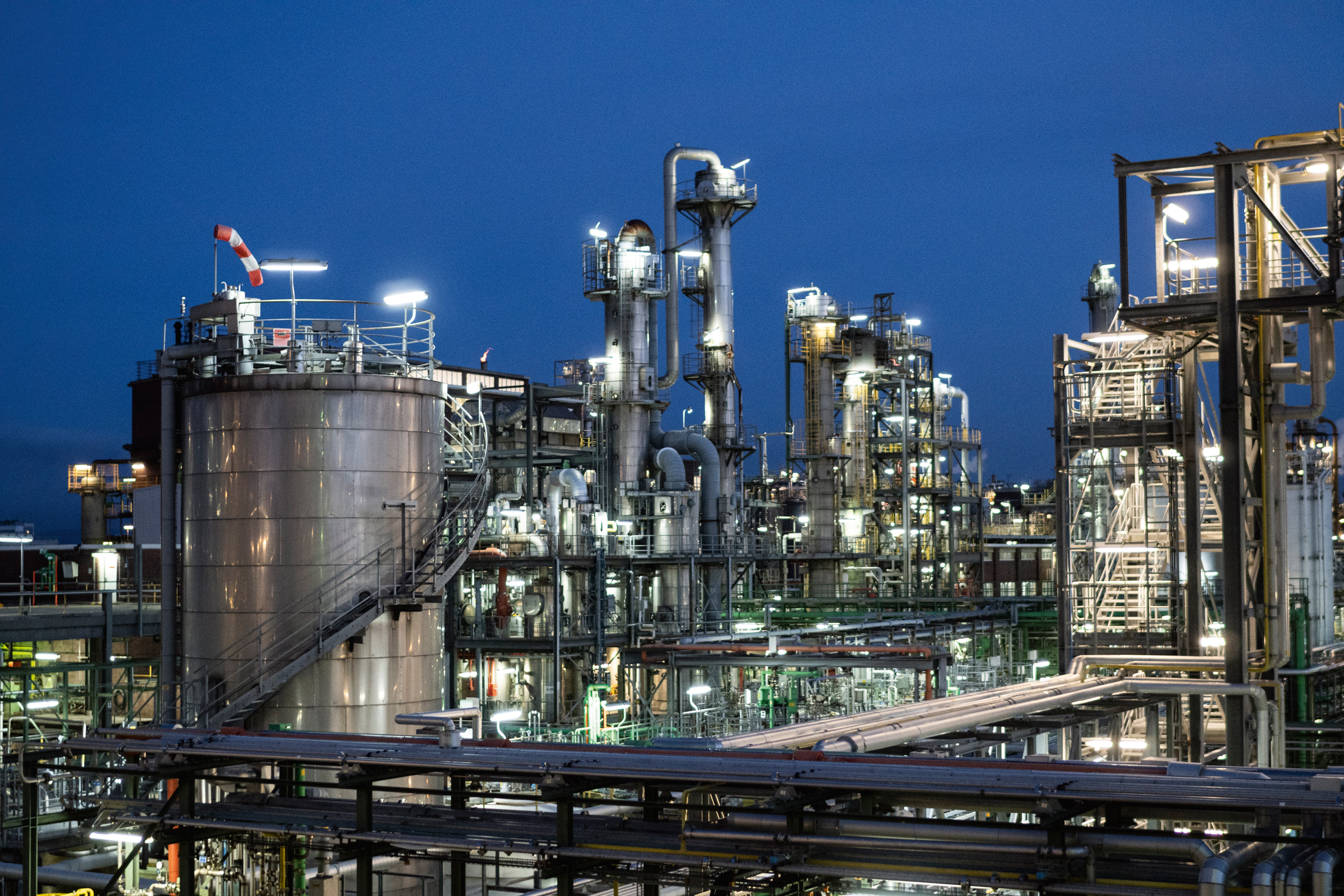
By Brazil Stock Guide — Brazil has opened an anti-dumping investigation into imports from China of 2-ethylhexyl acrylate, a chemical used in adhesives, paints and coatings, after authorities found preliminary evidence that the product was being sold at dumped prices and causing injury to BASF, the country’s sole domestic producer.
The investigation was launched by the Foreign Trade Secretariat at Brazil’s Ministry of Development, Industry, Trade and Services, known as MDIC, through a notice published on Tuesday in the Official Gazette. The case was initiated following a petition filed by BASF in January.
Brazil’s Department of Trade Remedies, or Decom, calculated a preliminary dumping margin of US$613.67 per metric ton, equivalent to 43.42%, based on Chinese exports to Brazil between October 2024 and September 2025.
Chinese imports of the product increased 1,513.4% between the 12-month period through September 2021 and the 12 months through September 2025. In the latest period alone, imports from China rose 122%.
China’s share of Brazil’s imports of the product rose from 8.7% to 67.4% over the period reviewed, while the share held by other suppliers fell from 91.3% to 32.6%. The average price of Chinese imports declined 38.8% over the same period.
2-ethylhexyl acrylate, commonly known as 2-EHA, is an acrylic monomer used to manufacture polymers for products including adhesives, labels, paints and varnishes. BASF is the only producer of the chemical in Brazil, according to the government.
Decom said it found preliminary evidence linking the surge in Chinese imports to a deterioration in the financial performance of BASF’s domestic operation.
In the most recent period reviewed, Chinese imports rose 122% while the Brazilian producer posted an operating loss. According to the trade authority, operating profit fell 1,029.5% from the previous period, while gross profit declined 9.3%.
Across the full five-year review period, domestic industry net revenue fell 12.6%, gross profit declined 52.1%, and the most recent period showed losses across all operating-profit measures analyzed by Decom.
The opening of the investigation does not amount to a final determination that dumping occurred or that additional tariffs will be imposed. Chinese producers, Brazilian importers and other interested parties will be able to submit information and challenge the calculations during the proceedings.
For the purpose of calculating the product’s normal value, Brazilian authorities decided at this stage not to rely on Chinese domestic prices and costs. Decom preliminarily concluded that market-economy conditions do not prevail in the segment under review and selected the United States as the reference country.
In its analysis, the government cited factors including state subsidies, the presence of state-owned companies, industrial policy and the influence of Chinese Communist Party committees over companies in the chemical sector. Decom stressed that the conclusion applies specifically to this investigation and does not constitute a broader determination on the status of China’s economy.
The Chinese product competes directly with BASF’s Brazilian-made material and can be used interchangeably by customers, according to the documentation filed in the case.
If the investigation ultimately confirms dumping, injury to Brazil’s domestic industry and a causal link between the two, the government could impose anti-dumping duties on Chinese imports.


Leave a Reply