

By Brazil Stock Guide – Brazil’s oil and gas regulator has approved the country’s first authorizations for the production and sale of renewable liquefied gas, enabling Refinaria de Petróleo Riograndense SA to operate as a full-scale biorefinery using 100% vegetable oil feedstock.
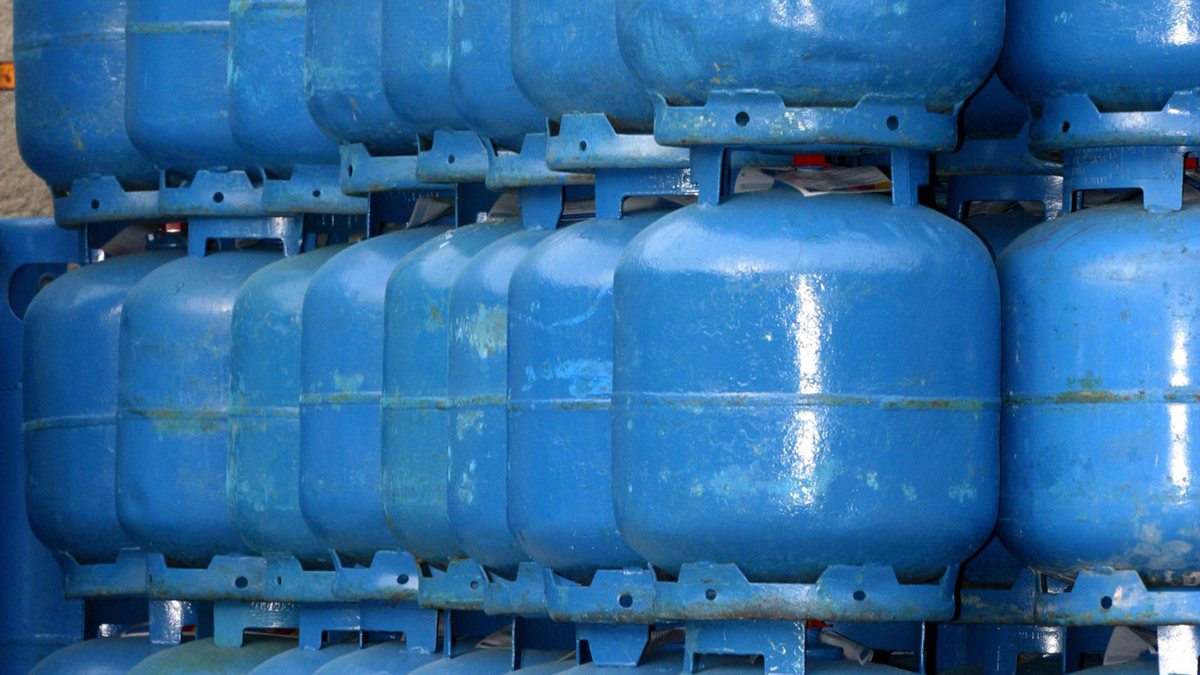
The decision allows the Rio Grande do Sul–based facility to continuously produce and commercialize Bio-GL, a renewable equivalent of liquefied petroleum gas, or LPG, widely used as cooking gas in Brazilian households. The product is treated as fully interchangeable with conventional LPG under existing regulations, allowing it to move freely through the country’s fuel distribution chain.
The authorization updates the refinery’s existing operating permit to allow exclusive processing of renewable raw materials, following regulatory changes formalized through an official government decree. A separate approval covering commercial sales of Bio-GL was granted after regulatory review by the agency’s board.
The approvals are the result of administrative proceedings initiated in 2024, when the company outlined plans to phase out crude oil processing in favor of renewable inputs. Prior to the final clearance, the refinery carried out industrial-scale tests using renewable feedstock under regulatory supervision in 2025.
Those trials validated a processing technology developed by Petrobras SA (PETR4), through its research arm Cenpes, under a cooperation agreement with the refinery. Technical documentation submitted to regulators confirmed that the renewable gas meets all physicochemical specifications required for conventional LPG.
Laboratory tests conducted by Ultragaz showed that Bio-GL performs equivalently to fossil-based LPG in domestic stoves and water heaters, with comparable power output, energy efficiency, fuel consumption and carbon monoxide emissions, all within regulatory limits. The fuel can therefore be used without modifications to existing appliances or infrastructure.
International benchmarks presented by the company indicate that renewable LPG can reduce carbon dioxide emissions by 65% to 70% compared with fossil fuels, with additional long-term mitigation potential through 2050.




Leave a Reply