
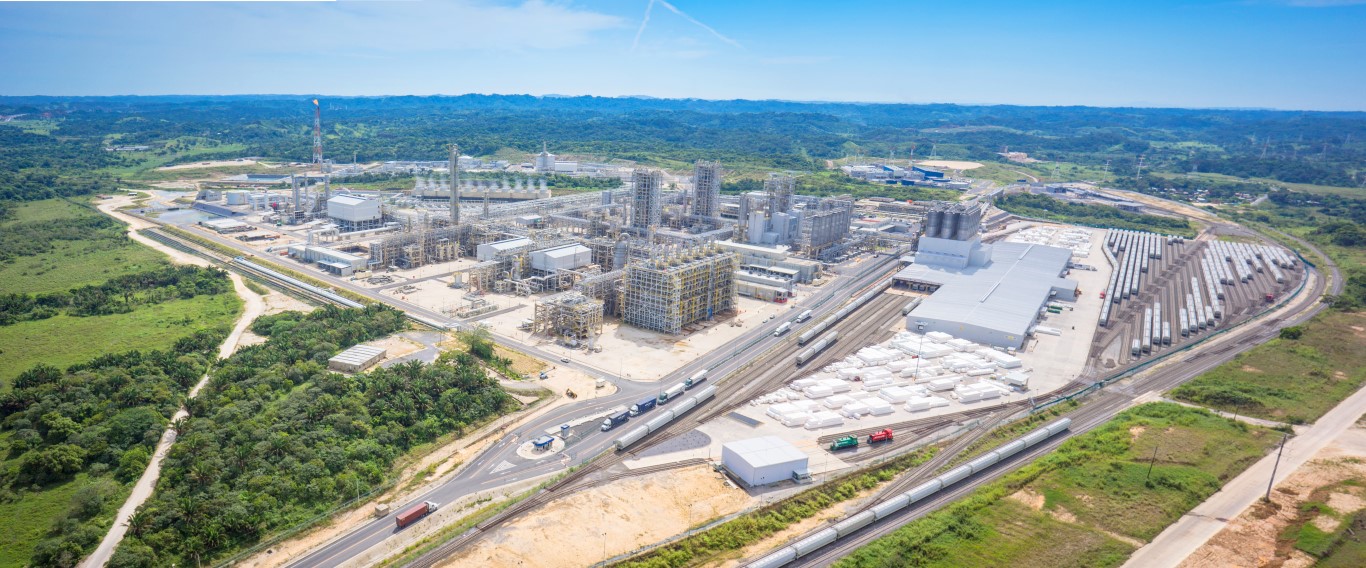
By Brazil Stock Guide – Braskem Idesa, the Mexican joint venture controlled by Braskem (B3: BRKM5; NYSE: BAK), is nearing an agreement with creditors for financing that could support a potential U.S. bankruptcy filing, Bloomberg reported, citing people familiar with the matter.
The financing under discussion is known as a debtor-in-possession, or DIP, loan — a credit line commonly used by companies in Chapter 11 to maintain operations, pay suppliers and preserve liquidity while they renegotiate their capital structure. According to Bloomberg, the talks indicate that Braskem Idesa’s debt crisis is moving beyond a private restructuring negotiation and closer to a court-supervised process.
Mexico Pressure
Braskem Idesa was created to produce polyethylene in Mexico using ethane, a feedstock that can be more competitive than the naphtha used in much of Brazil’s petrochemical industry. The problem is that Pemex’s ethane supply has for years fallen short of contracted volumes, reducing plant utilization and pressuring cash generation. Braskem Idesa has mitigated part of the shortage through imports and dedicated infrastructure, but the economics remain strained.
Debt Strain
The financial pressure had already become visible. Braskem disclosed that Braskem Idesa failed to make interest payments due in November 2025 and February 2026 on senior secured notes maturing in 2029 and 2032. The company also said the subsidiary was evaluating alternatives to reorganize its capital structure and remained in talks with an ad hoc group of creditors.
That is the sensitive point for Braskem. A Chapter 11 process could give the Mexican unit operational breathing room, but it would also formalize the severity of the crisis. The implications for the Brazilian parent will depend on guarantees, support obligations and the final terms of any restructuring.
Contagion Risk
The crisis at Braskem Idesa comes at a delicate moment for Braskem. The Brazilian petrochemical producer is already dealing with a difficult global industry cycle, high financial expenses, liabilities linked to the Maceió case and broader questions about its own capital structure.
Recent improvement in petrochemical spreads, supported by tighter supply and geopolitical tensions in the Middle East, may ease some operational pressure. But better spreads do not erase the balance-sheet problem. The market may have improved, but the debt still needs a solution.
Governance Test
The Braskem Idesa negotiations also test Braskem’s new governance phase. Petrobras chose not to exercise preemptive rights in the sale of Novonor’s stake and signed a new shareholder agreement with Shine I FIP, a vehicle advised by IG4 Capital. Under the new structure, Petrobras and Shine I are set to share control of Braskem, with relevant decisions requiring consensus.
That architecture may help if it aligns capital, industrial strategy and financial discipline. But it can also become a pressure point if urgent decisions are needed. A Braskem Idesa restructuring, especially one involving Chapter 11, requires speed, coordination with creditors and a clear view of how much risk the Brazilian parent is willing to absorb.
Bloomberg’s report suggests the Mexican unit is moving closer to a formal solution for its debt crisis. For Braskem, however, the issue is larger than securing a bankruptcy loan. The real test will be preventing Braskem Idesa’s restructuring from contaminating the already fragile financial equation of the parent company — just as Petrobras and IG4 try to reshape the future of Latin America’s largest petrochemical producer.



Leave a Reply