

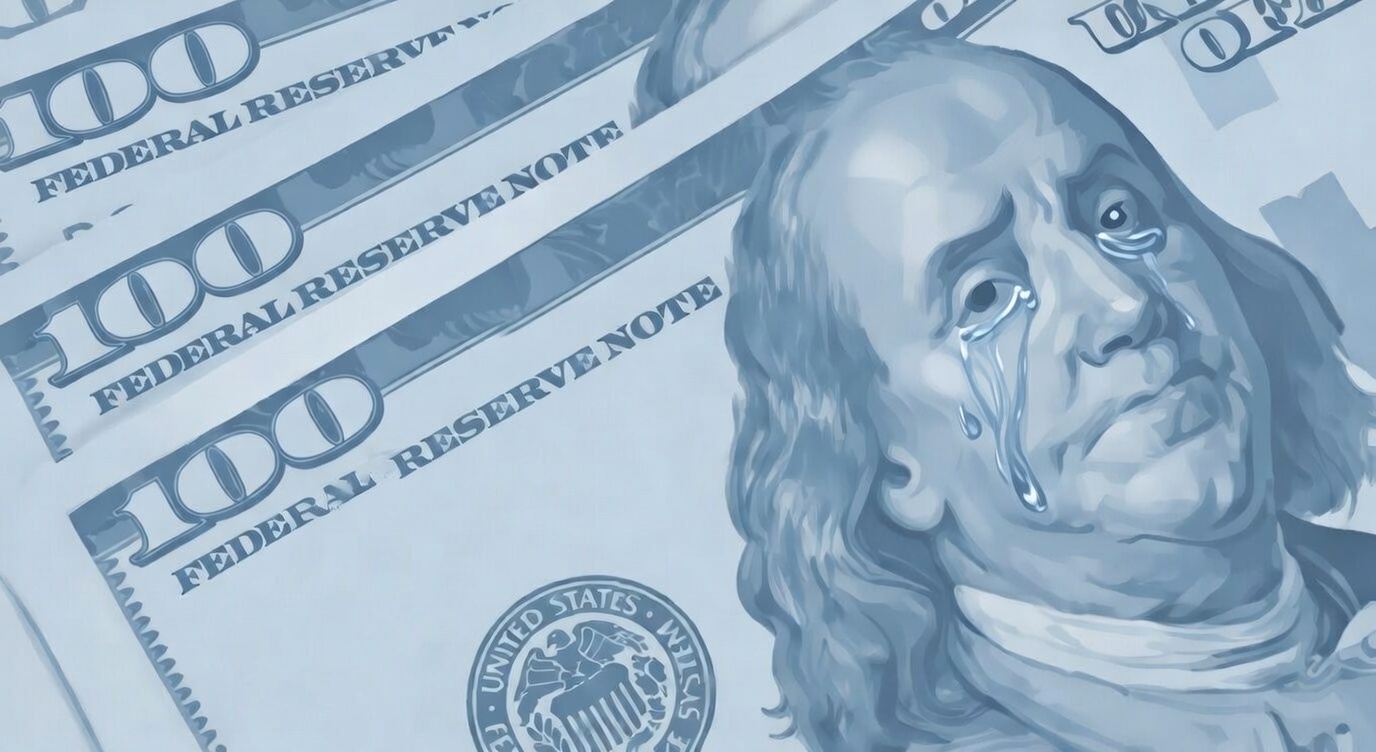
The recent weakness of the dollar has opened more than a tactical window for emerging markets. In the dominant view among orthodox economists, amplified across Faria Lima research and trading desks, it has created an opportunity for countries able to combine liquidity, a sizeable risk premium and imperfections already priced in. Brazil is one of the few cases where that equation holds.
The global backdrop explains the shift. Even after the Federal Reserve began cutting rates, long-term US yields remain under pressure from persistent deficits, heavy debt issuance and growing political noise around policymaking. Recent remarks by President Donald Trump, downplaying the dollar’s slide, reinforced the perception that a weaker currency is now tolerated. For markets, this is not classic easing, but a loss of predictability.
Through the orthodox lens, the issue is credibility, not the level of rates. Investors accept paying a premium when rules look stable. What is increasingly being priced in the US is the opposite: prolonged fiscal expansion, politicised monetary debate and ambiguity over defending a strong dollar. The result is a less dominant greenback and capital more willing to diversify.
It is in this space that Brazil shifts from passive beneficiary to functional asset. The argument repeated in sell-side notes is straightforward: high real rates provide a cushion, the currency still embeds a meaningful premium and capital markets are deep enough to absorb inflows. This is favourable asymmetry.
The recent rally and record levels in Brazil’s equity market reflect external flows. They are above all a delayed repricing. Valuations remain below historical averages, index composition favours commodity-linked and export-oriented companies, and hard-currency earnings act as a natural hedge.
That repricing matters beyond markets. Easier financial conditions and lower funding costs expand investment capacity in commodities, infrastructure and export-oriented manufacturing — areas where Brazil’s real economy still responds quickly when price signals turn favourable.
Fiscal policy remains the weak point in the eyes of orthodox economists and Faria Lima’s prevailing voices. Potential growth is constrained, and politics remain noisy. But the argument has shifted. Brazil has moved from a negative outlier to a plausible alternative in a more disordered world.
In the market’s reading, that is enough. When the dollar weakens and the centre loses gravity, capital learns to live with imperfections — and Brazil advances.



Leave a Reply