
Artificial intelligence was sold to companies as a shortcut to cheap productivity. The chatbot, now widely used across businesses, has been the hook. But AI is turning out to be something more expensive: a new layer of technological infrastructure built on cloud computing, chips, data, security, auditing and governance.
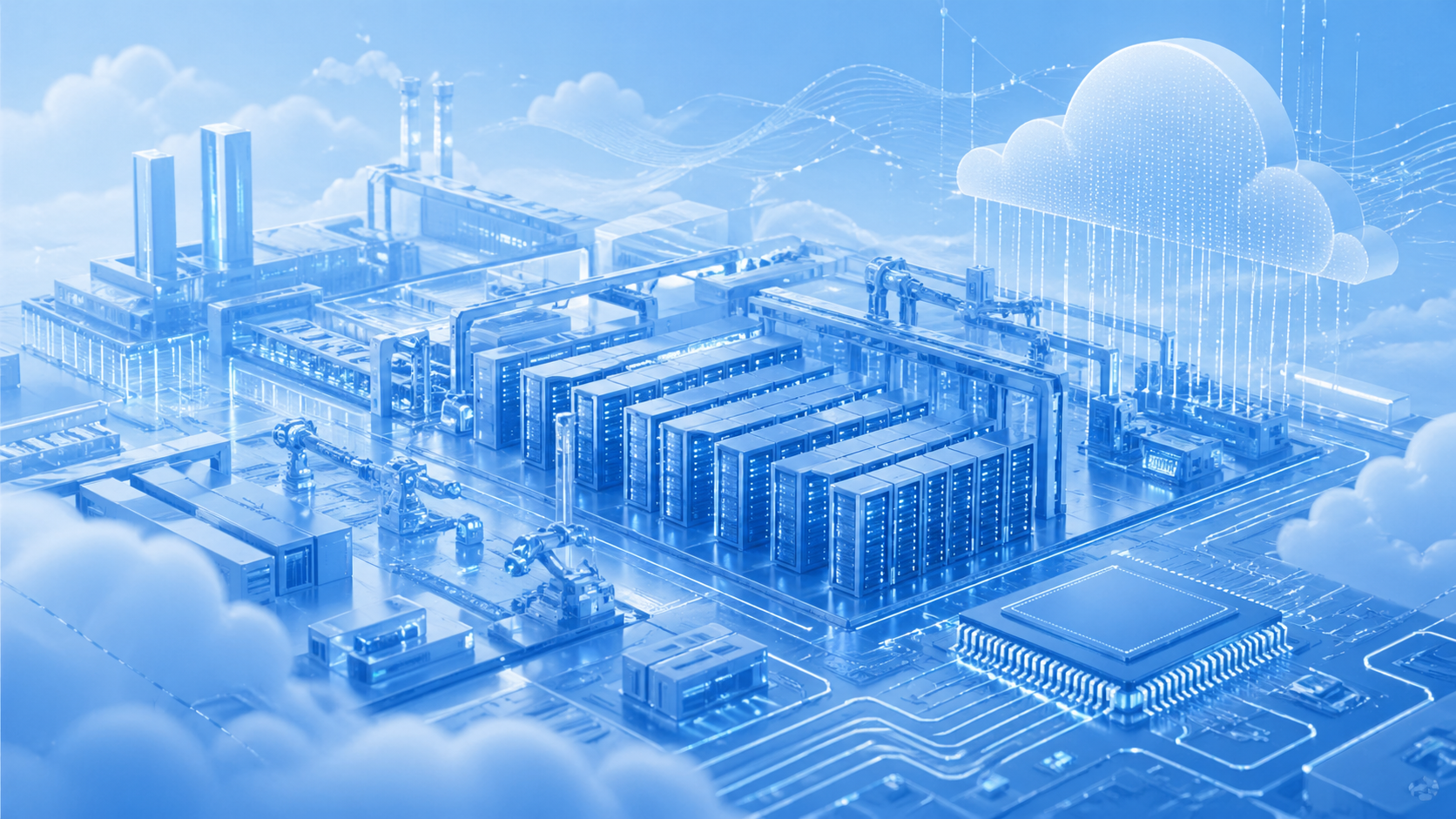
The real bill lies in the invisible factory that must run behind it. Gartner estimates that global AI spending will reach $2.52 trillion in 2026, up 44% from the previous year. Of that total, $1.366 trillion will be tied to AI infrastructure. A technology that looked light on the user’s screen requires servers, accelerators, memory, energy, data centers and new layers of control.
Gartner’s report on the strategic technology trends for 2026 helps frame this second phase. The consultancy points to AI-native development platforms, supercomputing, confidential computing, multi-agent systems, specialized models, AI-specific security and geopatriation — the relocation of workloads to sovereign or local environments. In plainer English: AI at scale is not just a software subscription. It is the construction of an entire architecture, from governance to the balance sheet.
That is the uncomfortable part of the AI “miracle” narrative. AI promises to reduce costs. But before doing so, it may increase them. Companies will have to decide where their models run, who can access sensitive information, how to protect proprietary data and how to prevent automated agents from turning software errors into operational risk.
The advantage, therefore, will not come simply from “using AI.” Everyone will do that. It will come from clean data, disciplined processes, flexible infrastructure and the ability to control suppliers. Generic models will write texts. Domain-specific models may assess credit, review contracts, predict maintenance needs or operate regulated processes with fewer errors.
The technology that promised to simplify the company is creating another layer of complexity. It may make tasks cheaper, but it makes infrastructure more expensive. It may democratize tools, but it rewards those who control data, security and sovereignty. Soon, investors will not only ask who announced a new AI initiative. They will ask who can pay for, protect and scale this new invisible factory.


Leave a Reply