
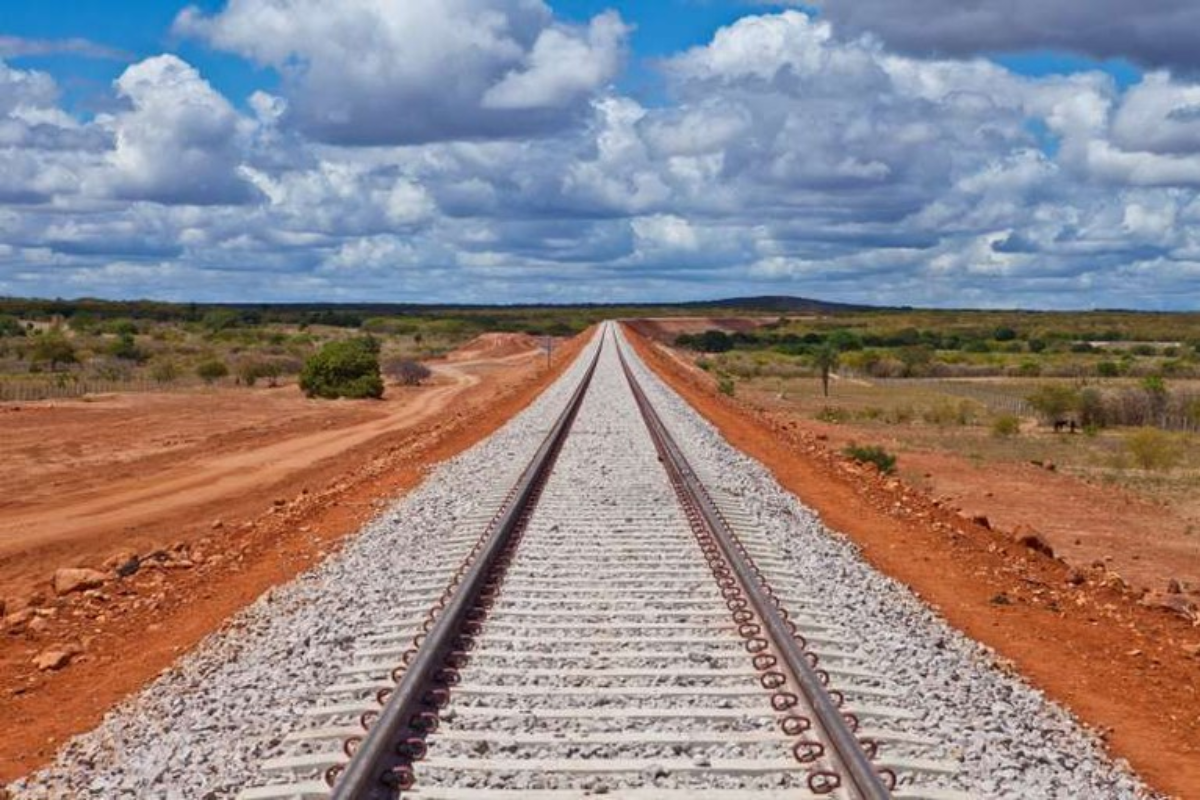
By Brazil Stock Guide – Brazil’s Environment Minister Marina Silva said on Wednesday that the environmental licensing process for the Ferrogrão railway is being handled in a “technical and independent” manner by the federal environmental agency Ibama.
Speaking at an event in Luziânia, Goiás, alongside President Luiz Inácio Lula da Silva, Silva emphasized that the government’s orientation is to subject highly complex infrastructure projects with significant environmental impacts to extensive studies, according to Broadcast. “When the PAC was launched in Rio in 2023, President Lula gave the following guidance: some projects that are highly complex and have very relevant environmental impacts must be forwarded for studies,” she said.
Silva added that Ferrogrão’s licensing is not currently active but that Ibama’s technical staff is carrying out a preliminary assessment of the project’s scope. “The licensing process is a technical, independent process carried out by Ibama, which, in all of President Lula’s governments, takes into account environmental and social feasibility,” Silva said.
The Supreme Federal Court (STF) is resuming hearings on a lawsuit filed by the left-wing Psol party challenging a decree that altered the boundaries of the Jamanxim National Park in Pará state to make way for the railway tracks. The Ferrogrão project has been suspended since 2021 by an injunction from Justice Alexandre de Moraes.
Valued at 28 billion reais ($5.1 billion), Ferrogrão — also known as EF-170 — would span 933 kilometers between Sinop, Mato Grosso, and Itaituba, Pará, creating a new logistics corridor for agricultural exports. The project is expected to cut freight costs by 19.2 billion reais compared to highway transport and halve negative externalities such as CO2 emissions, traffic accidents, and congestion. Projections also suggest 30,000 direct jobs and 373,000 total jobs could be created, with tax revenues of 5.3 billion reais.
Government estimates further indicate the project could avoid emissions of about 3.4 million metric tons of CO2 annually over the 69-year concession. Environmental groups, however, warn that the railway could fuel illegal occupation of Indigenous lands, increased deforestation and higher carbon output.




Leave a Reply