

By Brazil Stock Guide – Eneva (ENEV3.SA) closed the third quarter of 2025 signaling the start of a new investment cycle. With a record EBITDA of R$1.82 billion and operating cash flow of R$1.96 billion, the company cut leverage to 2.7 times, creating room on its balance sheet for the next phase of expansion. Management used the Q&A to stress that, after a cycle of integration and efficiency gains, the company is now positioned to grow again, anchored in its integrated gas-to-power platform and in the upcoming 2026 Capacity Reserve Auction (LR Cap).
Integration and financial discipline
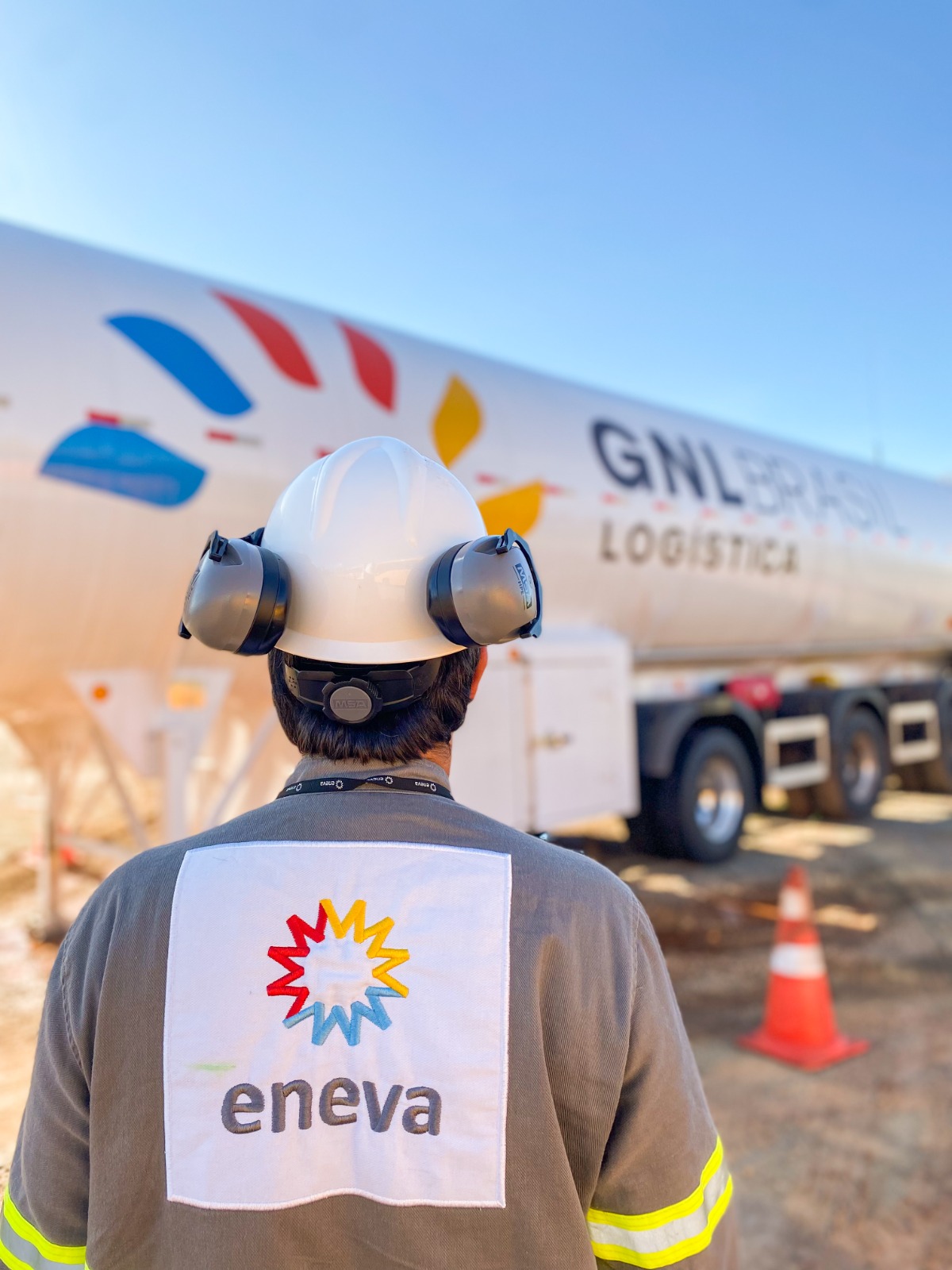
Eneva’s performance this quarter reflected the maturity of its diversified portfolio. The Sergipe Hub contributed R$206 million to EBITDA, boosted by recurring LNG trading operations and firm and flexible gas supply contracts, while the off-grid gas business added R$72 million following the commissioning of the Parnaíba liquefaction plants.
The company also started construction of a third liquefaction train, which will expand capacity by 50% to 900,000 m³/day by 2027. Alongside these initiatives, Eneva cut fixed and SG&A costs by R$39 million, underscoring strict budget discipline. CEO Lino Cançado summed it up: Eneva’s integrated model “creates structural advantages in cost, flexibility, and execution.”
Capacity auction as growth catalyst
The 2026 capacity auction dominated the Q&A. Eneva intends to recontract assets with expiring PPAs between 2026 and 2031 while also competing with new thermal projects in its pipeline. The company has already secured critical equipment ahead of time to mitigate supply-chain risk and is keeping its balance sheet ready for a new CAPEX cycle.
“This auction represents a concrete opportunity to extend the life cycle of our asset base and enable the next phase of organic growth,” said executive director Marcelo Lopes, emphasizing that Eneva’s verticalized model — from gas supply to generation — gives it an edge in a system that increasingly values flexible capacity.
Operational gains and new revenue streams
Beyond the financial highlights, executives detailed operational improvements across the portfolio. The Jaguatirica II and Parnaíba complexes saw higher dispatch and efficiency, while the early start of PPAs from the 2021 Reserve Capacity Auction added R$360 million in annual fixed revenue ahead of schedule. The company is also advancing its Azulão 950 project, now 78% complete, with commercial operations set to begin in mid-2026. The project combines gas production and power generation in the Amazon basin — a key pillar in Eneva’s self-sufficiency strategy.
Upstream momentum and exploration plans
The Q&A revealed details about Eneva’s ongoing seismic campaigns in the Paraná and Amazonas basins, critical steps for expanding domestic gas reserves. The Paraná campaign concluded in October 2025, while the Amazon survey is set to wrap up by December. New reserve certifications for the Parnaíba basin will be released in early 2026, reflecting multiple wells drilled this year. Further updates for the Amazon basin are expected in 2027, following the next round of exploratory drilling.
Energy transition and the battery question
Analysts also asked about the government’s plan to launch a battery storage auction, which could compete with thermal capacity projects. Management described the initiative as “experimental,” noting that Eneva sees batteries as complementary, not competitive, in the short term. “We plan to participate in the discussions and monitor potential pilot projects,” said Lopes. The company also commented on the broader debate around reducing thermal inflexibility to balance renewables, signaling openness to regulatory dialogue as long as it “does not destroy value” for existing long-term contracts.
Supply-chain bottlenecks and global competition
One of the more revealing Q&A moments came when executives discussed the global shortage of turbines and critical equipment. The surge in demand from North America’s AI-driven power boom and the Middle East’s diesel-to-gas shift has made the market “seller-driven,” Cançado said. Eneva now faces a scenario where companies must pay to reserve factory slots in advance, even before securing contracts in local auctions. Depending on equipment type and delivery window, prices have risen by up to 100%, making early procurement a strategic imperative.
Confidence in the long game
Eneva closed the quarter with R$3.94 billion in cash, R$15.5 billion in total debt, and a long-term debt profile averaging 5.8 years — factors that provide breathing room for upcoming investments. With assets largely contracted under inflation-linked PPAs, the company enjoys predictable cash flow and a natural hedge between liabilities and revenues. As Brazil’s energy demand rises and renewables grow more intermittent, Eneva aims to lead the next phase of flexible generation. “We believe the system will require more firm capacity — and we are ready to deliver it,” Cançado concluded.



Leave a Reply