
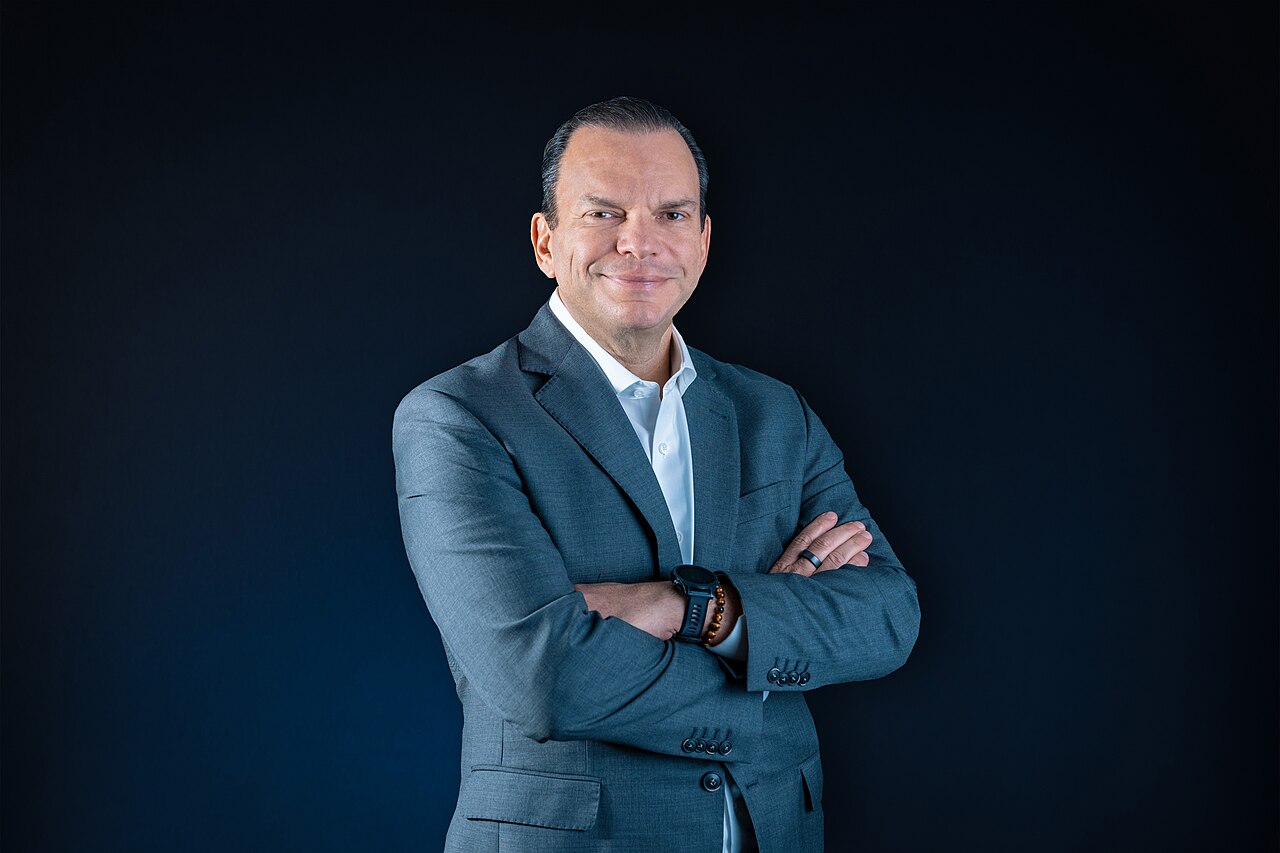
By Brazil Stock Guide – Banco BTG Pactual used the closing minutes of its fourth-quarter earnings call to enter Brazil’s most sensitive regulatory debate of the moment: the future of investment platforms, the role of the Credit Guarantee Fund (FGC), and the fallout from the collapse of mid-tier lender Banco Master. The intervention, delivered personally by CEO Roberto Sallouti, went beyond earnings commentary and signaled where one of Brazil’s largest financial groups believes regulation is heading — and where it should not go.
Speaking after more than an hour of results and analyst questions, Sallouti said recent stress around Banco Master exposed supervisory failures rather than structural flaws in the platform-distribution model or in the FGC itself. In his assessment, the priority should be stronger oversight of smaller banks — particularly once balance sheets reach scale — not restrictions that could undermine competition or retail access to higher-yielding products.
Competition at risk
Sallouti warned against an emotional regulatory response that could reverse two decades of market evolution. According to him, investment platforms helped break a legacy model in which retail clients were effectively confined to low-yield deposits or high-fee bank funds. Rolling back platform access, he said, would risk concentrating funding again within the largest banks and raising costs across the system.
Assets, not liabilities
The CEO emphasized that the Master episode was fundamentally an asset-quality problem, not a failure of deposit guarantees. He argued that policy responses should therefore focus on credit supervision, balance-sheet transparency and concentration limits — rather than penalizing distribution channels or insured retail depositors.
BTG’s exposure and exit
Addressing concerns about BTG’s own role as a distributor, Sallouti said the group’s exposure to Master-linked deposits was limited — roughly 10% of the bank’s deposit base — and largely legacy-related. He added that once BTG’s management identified concerns over balance-sheet treatment in early 2024, the bank began scaling back distribution and fully halted it in October 2024, months before the stress became public.
Regulatory direction
Without naming specific proposals, Sallouti suggested Brazil could import solutions already used in Europe and the U.S., such as caps on deposit concentration per platform, limits on retail-distributed funding as a share of liabilities, and tighter supervisory triggers as banks migrate from smaller S-tiers to systemically relevant status.
A political signal
The remarks stood out for their timing and tone. Delivered after the formal Q&A had ended, they appeared aimed as much at regulators and policymakers as at investors. For a bank reporting record profitability and a sustainable 25%+ ROE, the message was that competitive market architecture — not retrenchment — is part of what underpins financial stability.


Leave a Reply