
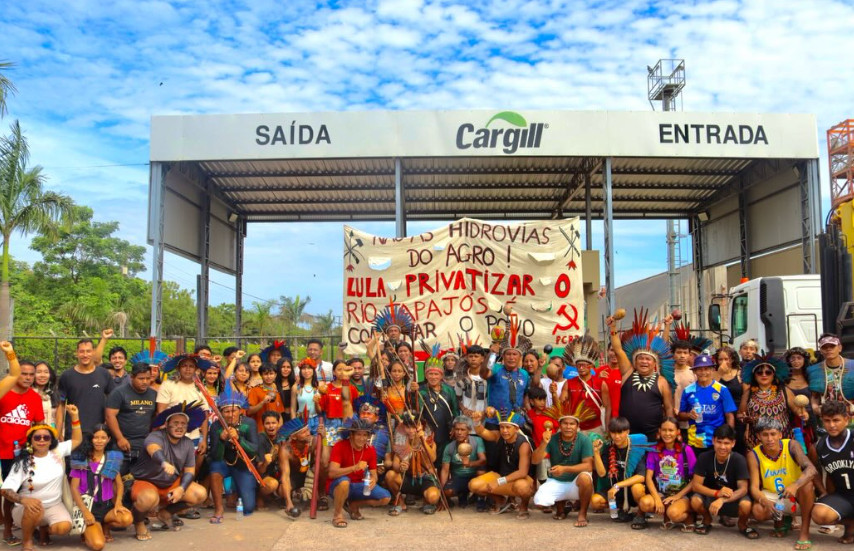
By Brazil Stock Guide – Brazil’s government suspended a bidding process for maintenance dredging on the Tapajós River after Indigenous protesters occupied a Cargill grain terminal in Santarém, Pará, escalating tensions over a decree that opens major Amazon waterways to potential concessions.
The Ministry of Ports and Airports said on Sunday it had halted the dredging tender and would coordinate next steps with the Presidential Secretariat, the Justice Ministry and the Pará state government. The ministry said the right to protest is constitutionally guaranteed but that violent acts and irregular occupations are illegal and will not be tolerated.
Indigenous leaders from the Council of the Tapajós and Arapiuns (Cita) occupied the terminal operated by Cargill, one of the world’s largest agricultural commodity traders, arguing that President Luiz Inácio Lula da Silva’s Decree 12,600 threatens their territories and livelihoods. The decree, signed in August 2025, included the Tapajós, Madeira and Tocantins rivers in Brazil’s National Privatization Program, allowing studies toward potential concessions of navigation services.
Cargill said operations at the Santarém terminal were fully interrupted following the occupation and cited evidence of vandalism and damage to assets. The company said its priority was ensuring the safety of employees, protesters and local communities.
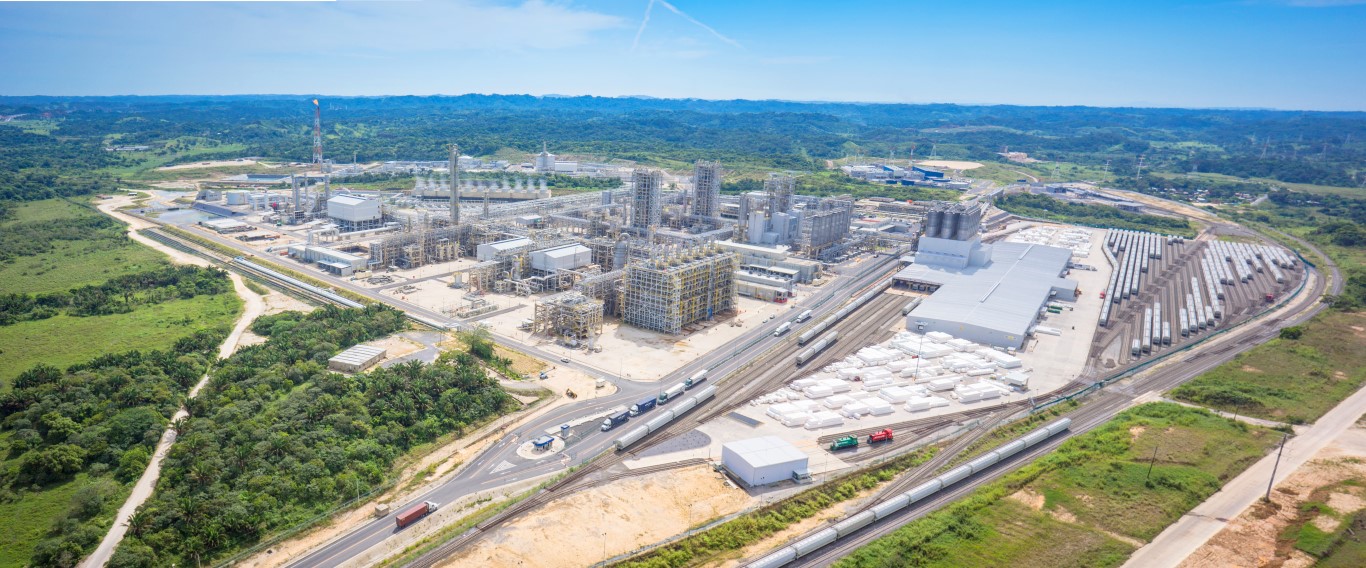
The Santarém terminal moved more than 5.5 million metric tons of soybeans and corn in 2025, accounting for over 70% of grain shipments through the Pará port, according to port sector data. The Tapajós waterway is a key part of the “Arco Norte” logistics corridor, which channels grain from Brazil’s farm belt to export markets, primarily China.
Arco Norte corridor
The so-called Arco Norte corridor has become strategic over the past decade by offering a shorter export route for grain producers in Mato Grosso, Brazil’s top soybean-growing state, reducing freight distances and transportation costs compared with traditional southern ports such as Santos. The shift has helped Brazil consolidate its position as the world’s largest soybean exporter, with China absorbing the majority of shipments, making stability along northern waterways increasingly relevant to global agricultural trade flows.
The dredging tender, published in December by the National Department of Transport Infrastructure (DNIT), calls for three years of maintenance works between Santarém and Itaituba. The plan estimates the removal of 4.54 million cubic meters of sediment over the contract period, with an initial reference value of R$ 74 million. The company habilitated in the bidding process presented an offer of R$ 61.48 million.
According to technical documents attached to the tender, the navigation channel would measure 190 meters wide at water level and 4.9 meters deep, dimensions designed to accommodate large grain barge convoys.
Indigenous groups and environmental organizations argue that the dredging process is advancing without a concluded environmental license and without prior consultation, as required under International Labour Organization Convention 169, to which Brazil is a signatory. They also say the environmental and economic feasibility study for the planned waterway concession has not been made public.
The government says the decree does not privatize the rivers but authorizes technical studies and that any project will comply with environmental licensing and consultation requirements.
The dispute has drawn political reaction in Brasília. Ministers Guilherme Boulos and Sonia Guajajara are scheduled to meet Indigenous representatives on Monday. Meanwhile, Brazil’s agribusiness caucus in Congress said the occupation is illegal and incompatible with the rule of law, urging authorities to restore operations.
A federal judge in Santarém declined to rule immediately on a request to remove protesters under an emergency procedure, citing the presence of women, children and elderly participants and the risk of escalating tensions. Federal prosecutors have questioned the method used to notify protesters of a court-ordered eviction.
The Tapajós dispute highlights the challenge faced by Lula’s administration in balancing infrastructure expansion to support grain exports with environmental safeguards and Indigenous rights in the Amazon.



Leave a Reply